Projects
Detached Secondary Dwelling and a Subdivision
Land Use Consent variation
 Back to Projects list
Scope of Work:
Apply for Land use consent. Subdivision and retaining an existing dwelling
Completion:
28th February 2023
Locality:
Hamilton Branch
Key person:
Angina Lal & Richard Lu
Detached Secondary Dwelling and a Subdivision
Land Use Consent variation
The Kemp project secured land use consent for a detached secondary dwelling on a subdivided lot, preserving rural character, existing vegetation, and providing flexible housing options.
Approval from the Waipa District Council was sought for a land use consent to establish a detached secondary dwelling on a lot that has prior approved consent to subdivide into three lots.
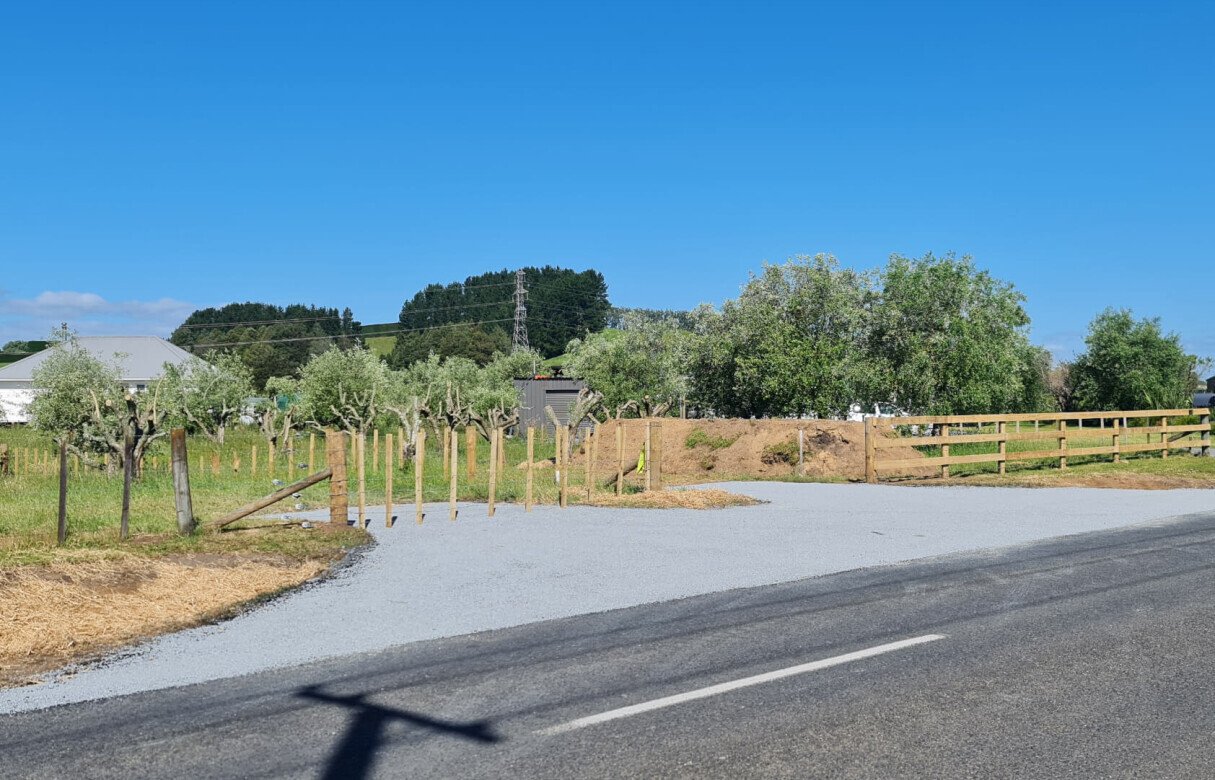
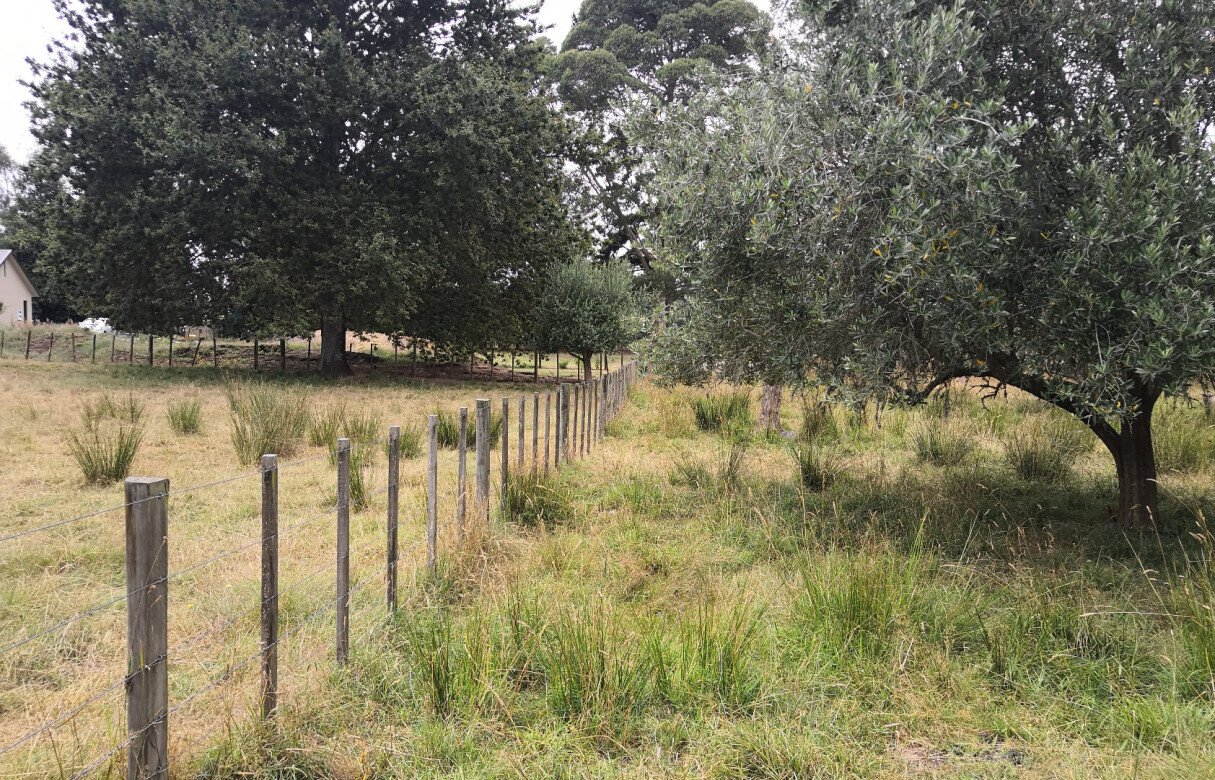
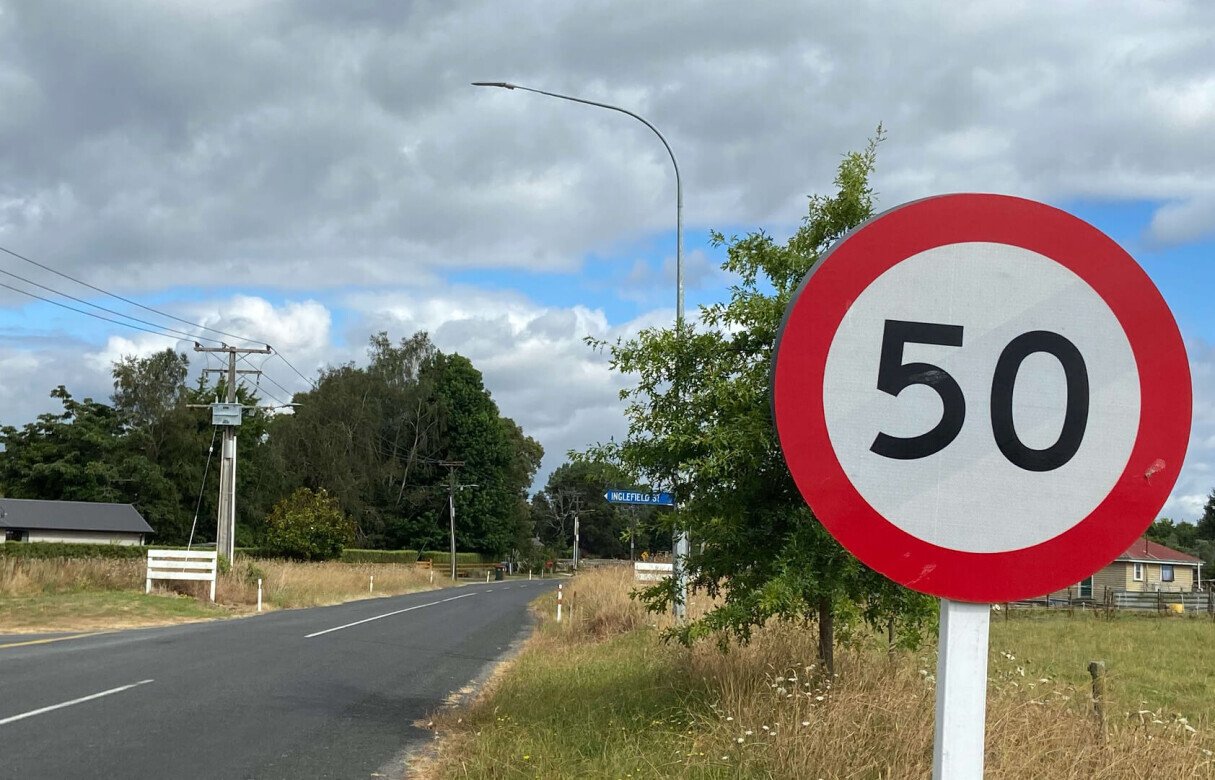
Site is walking distance to the village centre so the subdivision is seen to positively affect the urban character of the area. The application will help to satisfy the housing demands by providing additional options for future development at a low density level. It will retain a semi-rural environment via larger lot sizes, sufficient enough to feature landscaping that is expected from the surrounding environment. The receiving environment is rural, open and spacious in character. The application intends to retain the existing, mature vegetation which will serve as a buffer. Written approval has been gained from the neighbour who is encroached upon as the proposed dwelling is within their yard setback.
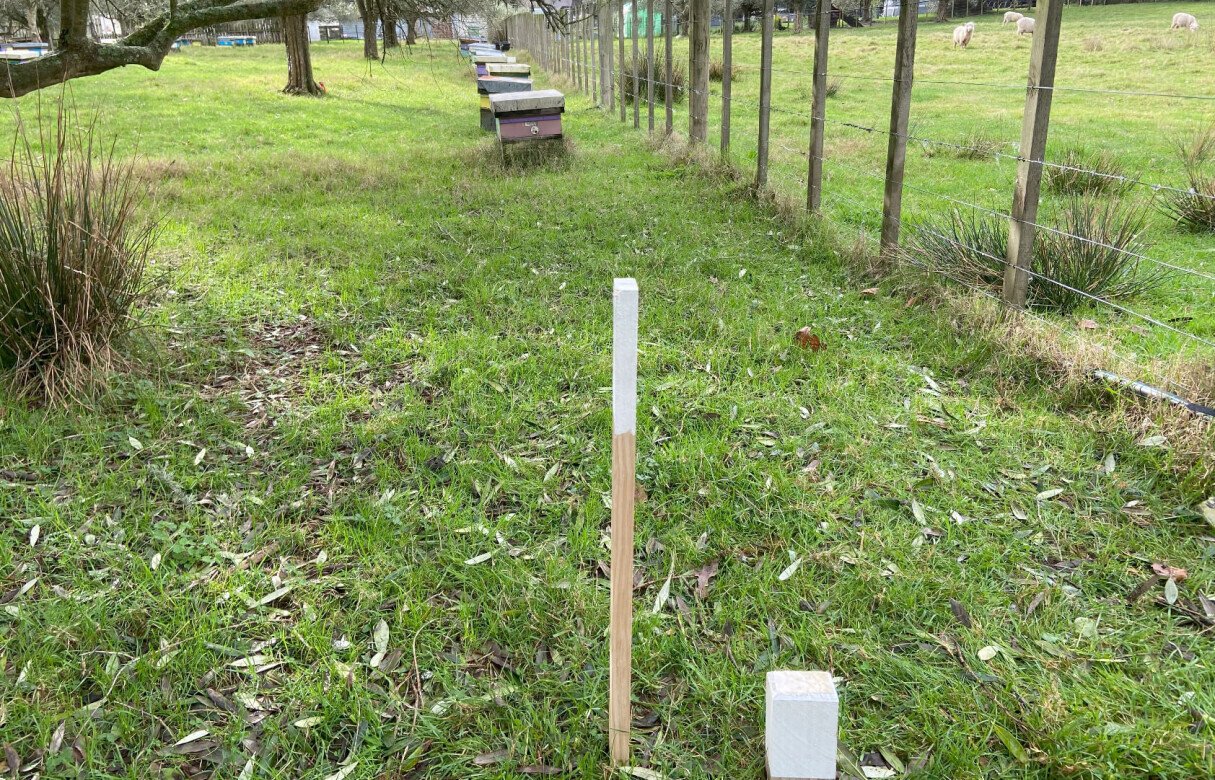
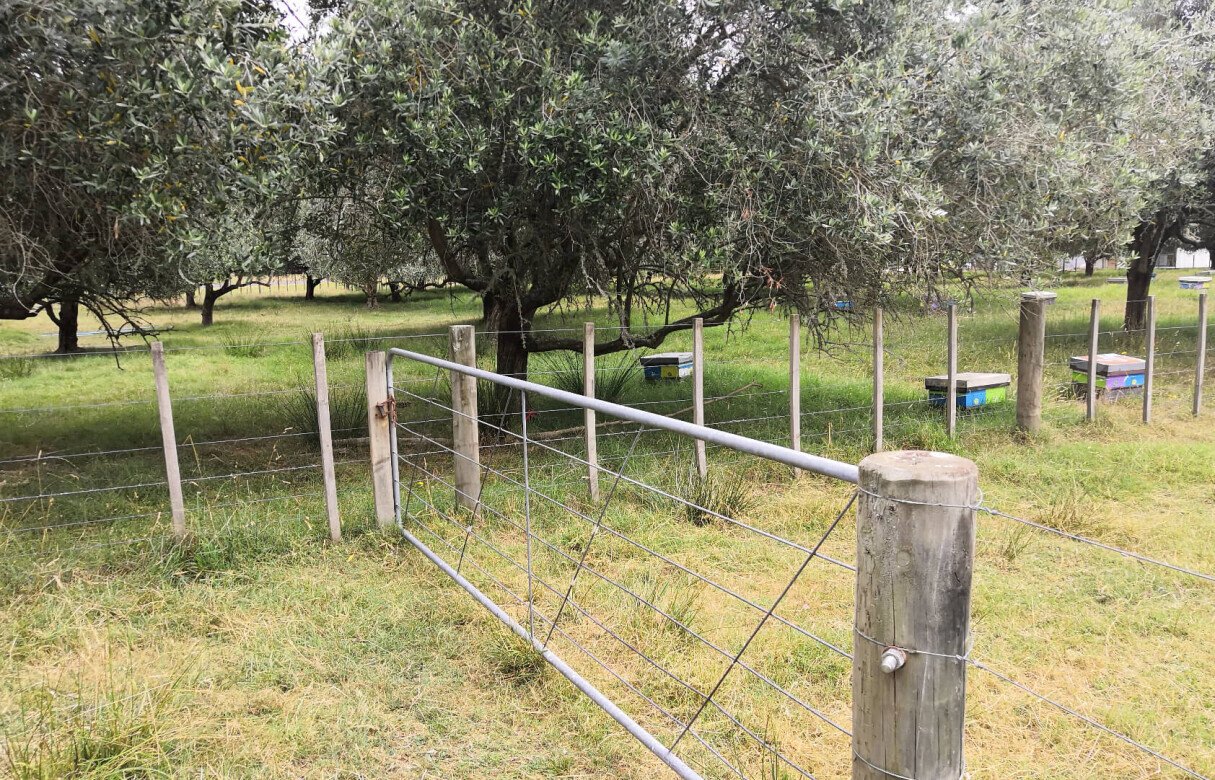
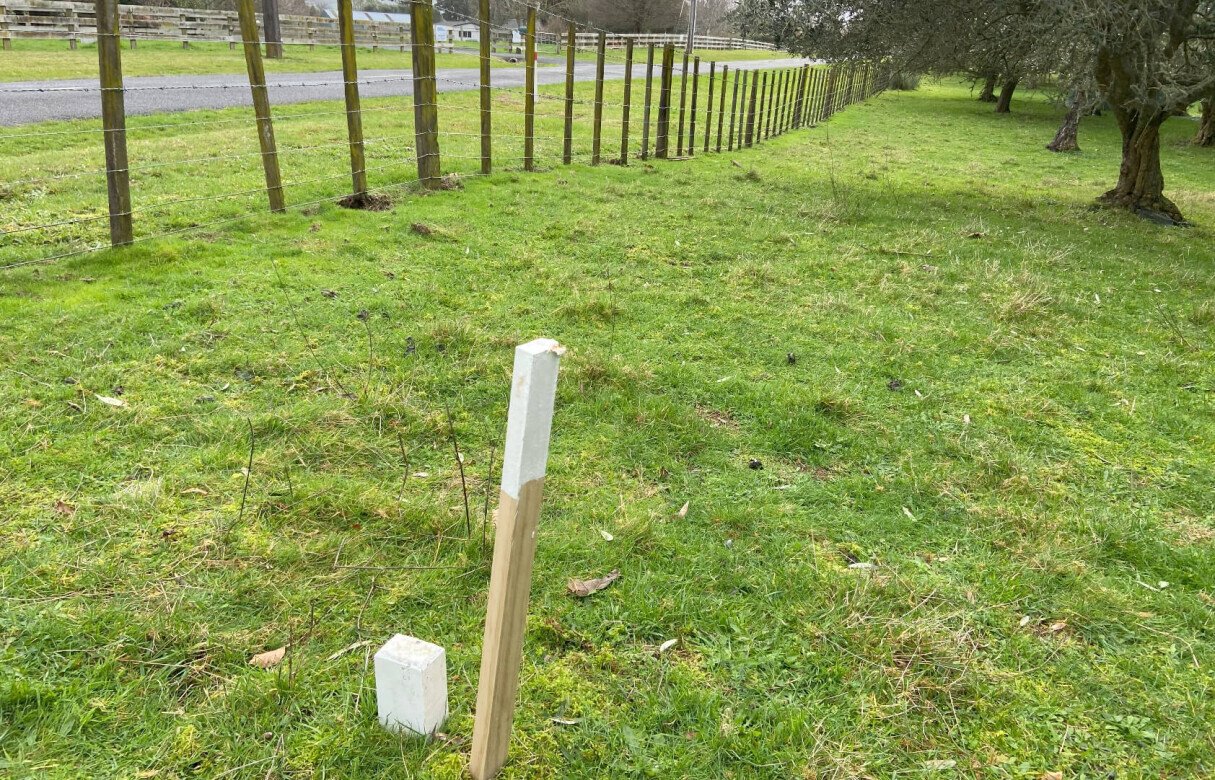
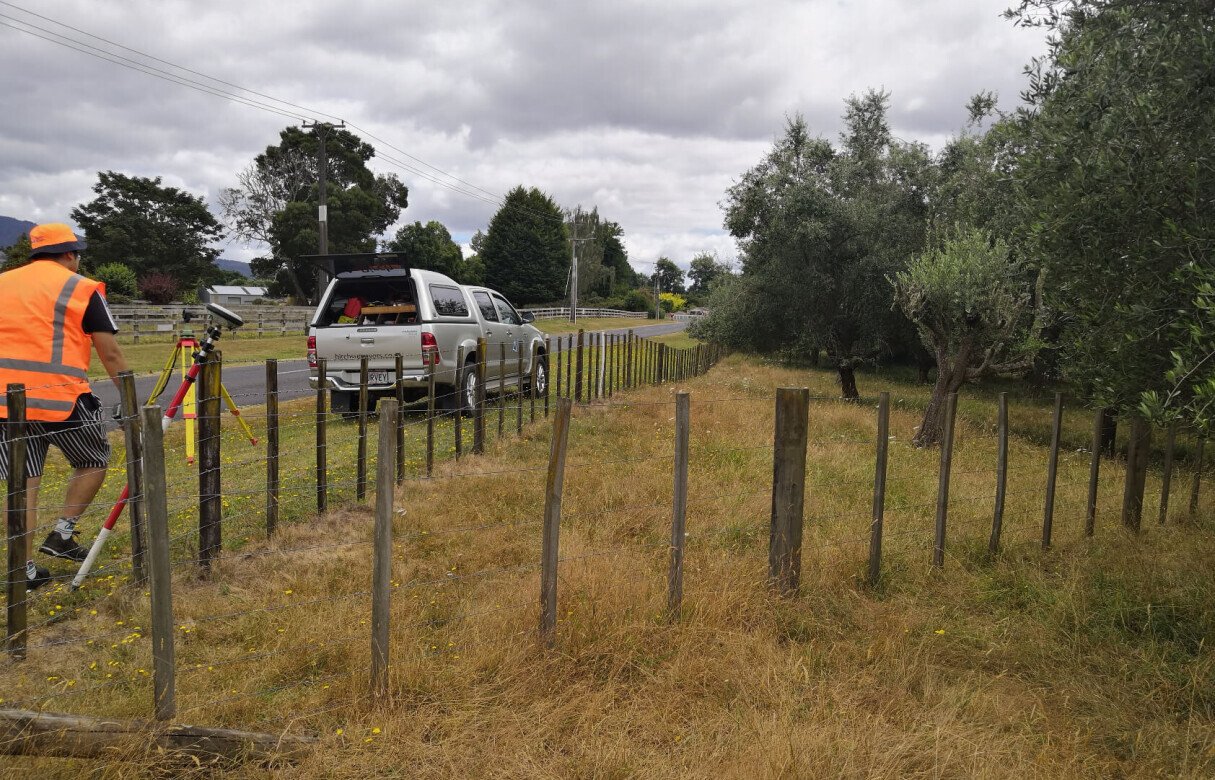
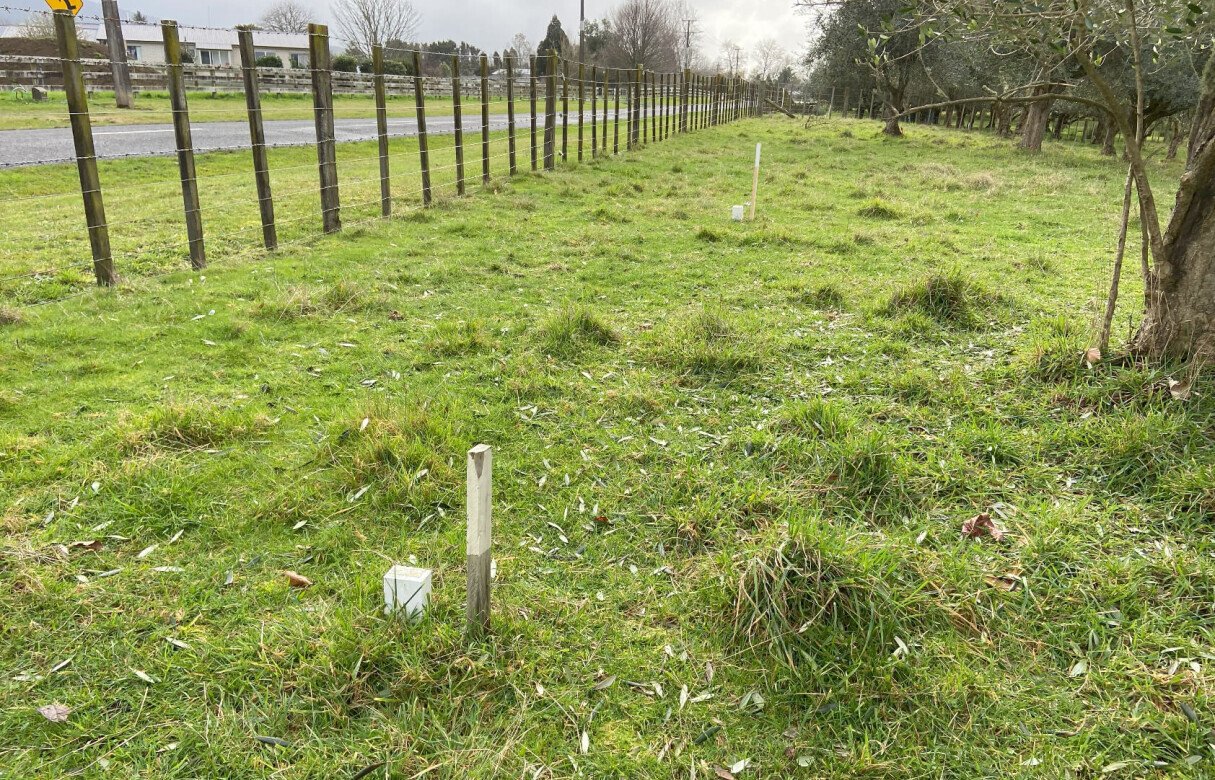
The site has an existing dwelling that is fully serviced which will remain in proposed Lot 3. The rest of site is an olive grove that is for personal use.
Frequently Asked Questions
What is a detached secondary dwelling?
A detached secondary dwelling is a separate, self-contained home located on the same property as the primary residence. It can provide additional accommodation for family members, guests, or other approved residential uses, subject to local planning rules.
Why might a land use consent variation be required?
A land use consent variation may be needed when a proposed development differs from an existing approved consent, such as changing the building layout, adding another dwelling, or modifying site design while remaining consistent with planning objectives.
How can larger lot sizes support rural character?
Larger lots provide space for landscaping, vegetation, and open areas that help maintain the spacious appearance and low-density feel commonly associated with rural and semi-rural environments.
Why is retaining mature vegetation beneficial during development?
Existing trees and vegetation can provide privacy, improve the visual appeal of a development, support local biodiversity, and act as natural buffers between neighbouring properties.
Does neighbour approval guarantee consent for a development?
No. While written approval from affected neighbours can help address specific concerns, the council will still assess the application against planning rules, environmental effects, and relevant district plan requirements before making a decision.
Can an existing rural property continue to be used after subdivision?
Yes. Depending on the approved subdivision design and zoning requirements, existing homes, gardens, orchards, or other lawful rural activities can often continue operating on the newly created lots.
