Projects
Ecological Considerations when Building
Relocation of existing dwelling & the construction of a new second dwelling and parking within a Significant Ecological Area
 Back to Projects list
Scope of Work:
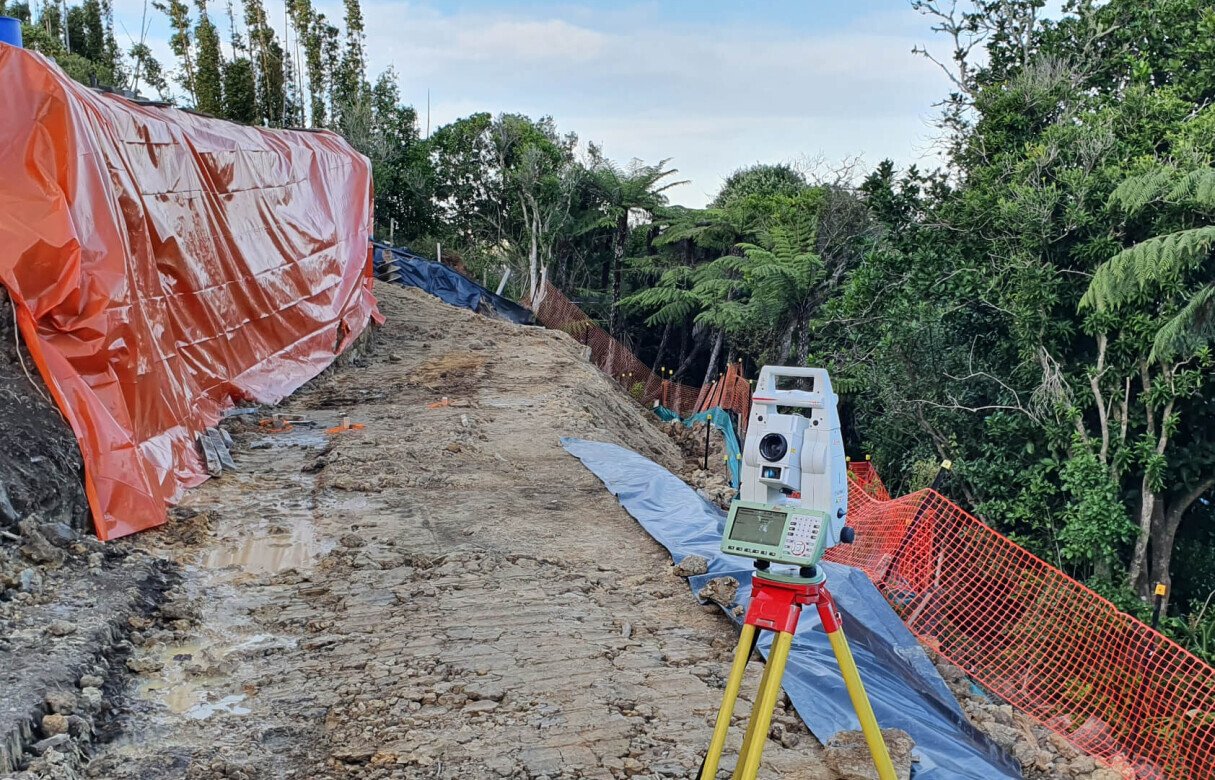
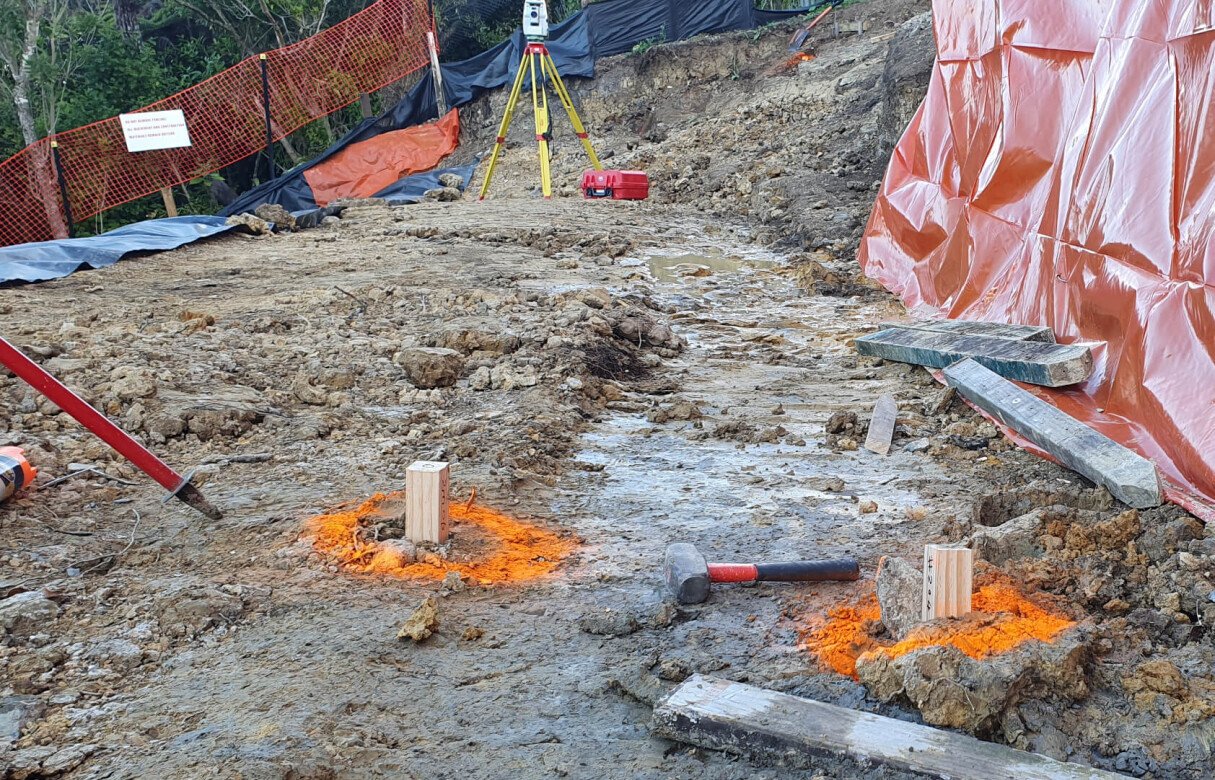
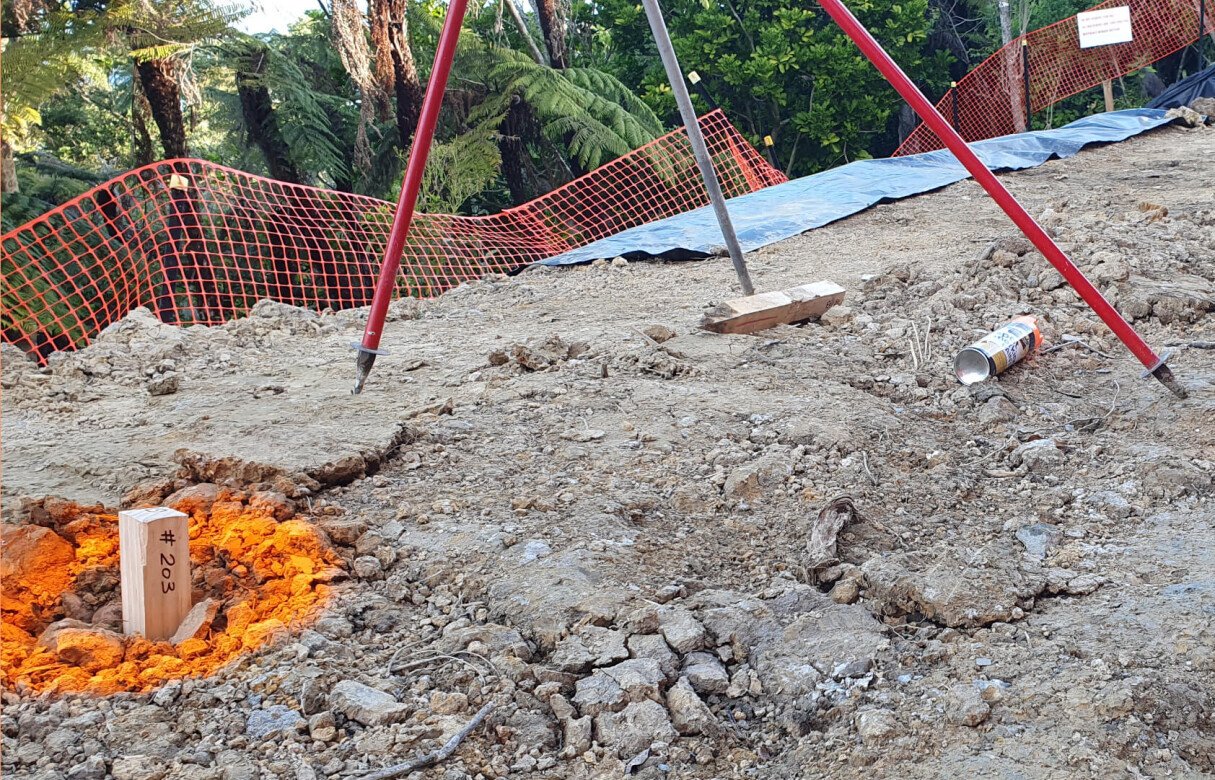
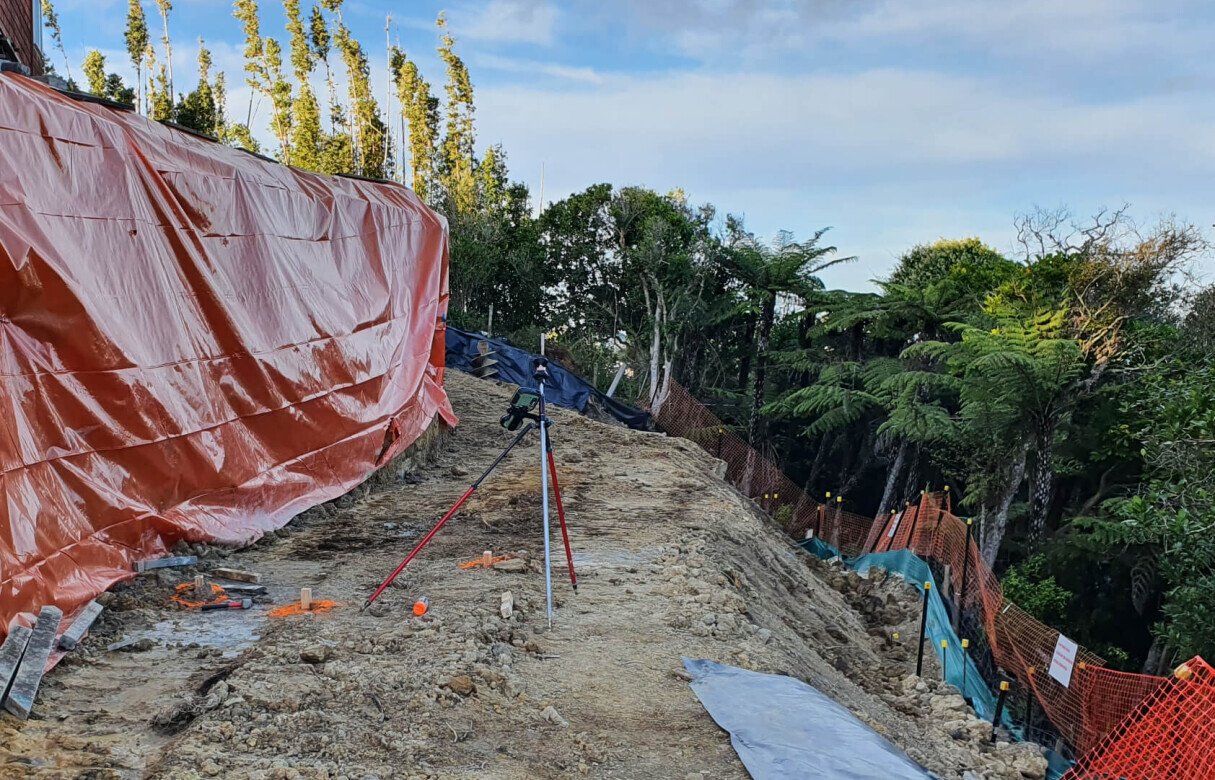
Removal of vegetation within the Significant Ecological Area to provide a building platform for an addition dwelling.
Locality:
Auckland Branch
Key person:
Mark Hatten & Skyward Hang
Ecological Considerations when Building
Relocation of existing dwelling & the construction of a new second dwelling and parking within a Significant Ecological Area
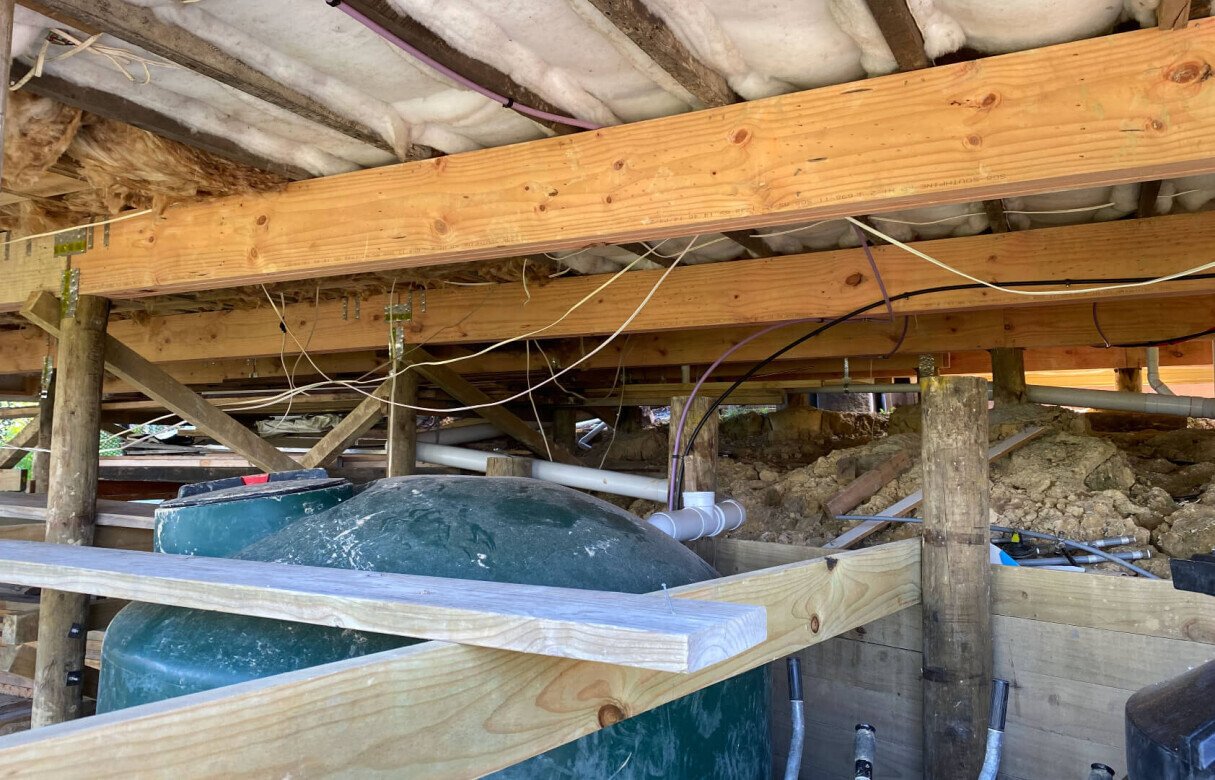
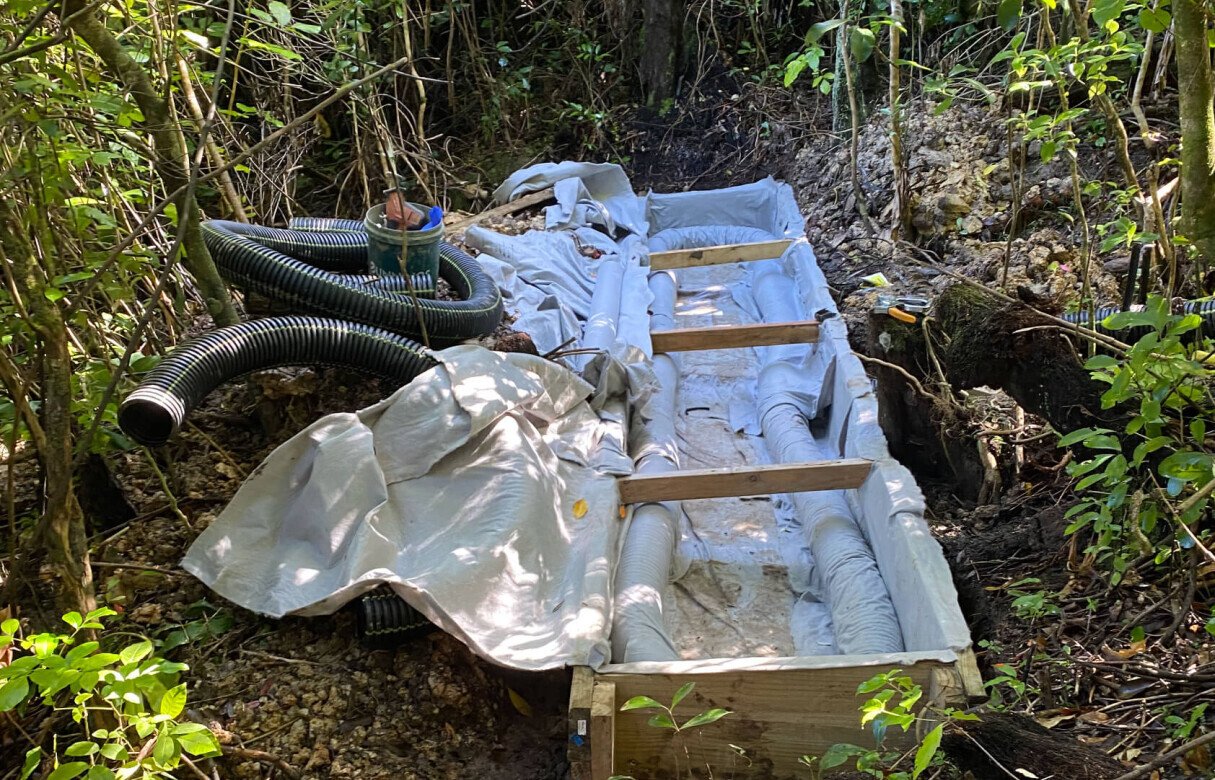
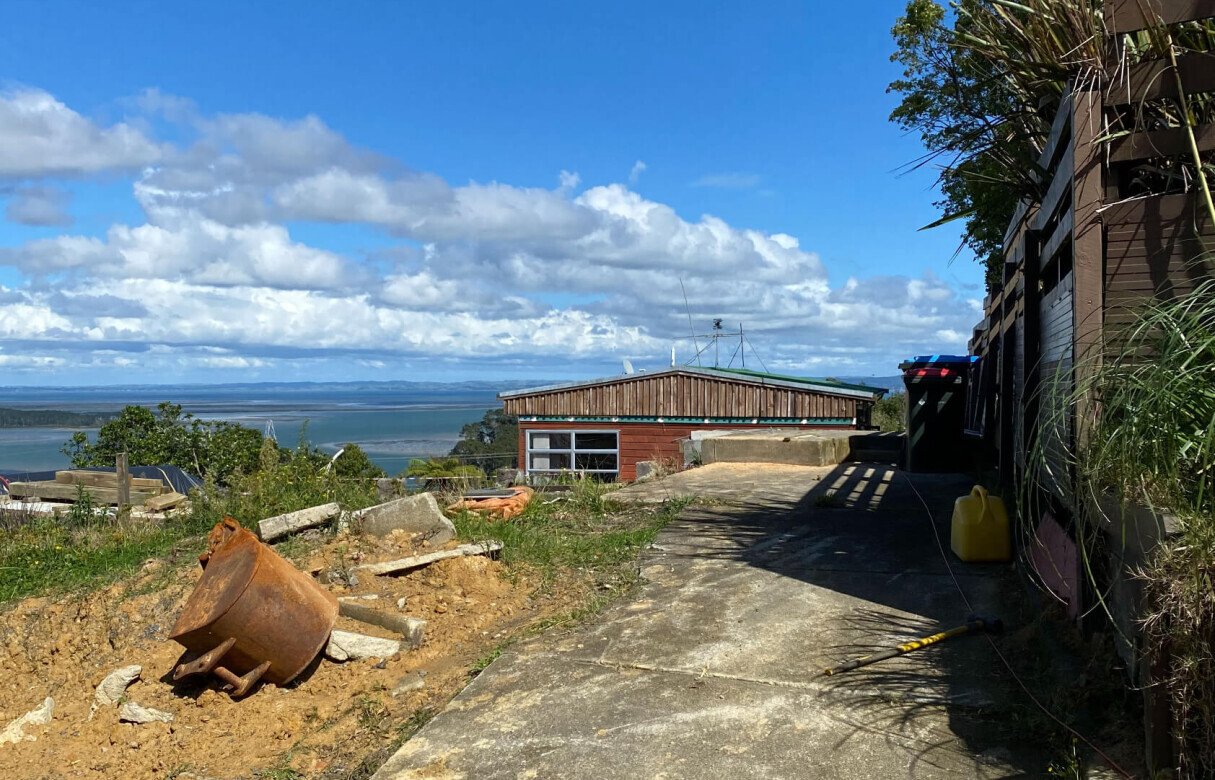
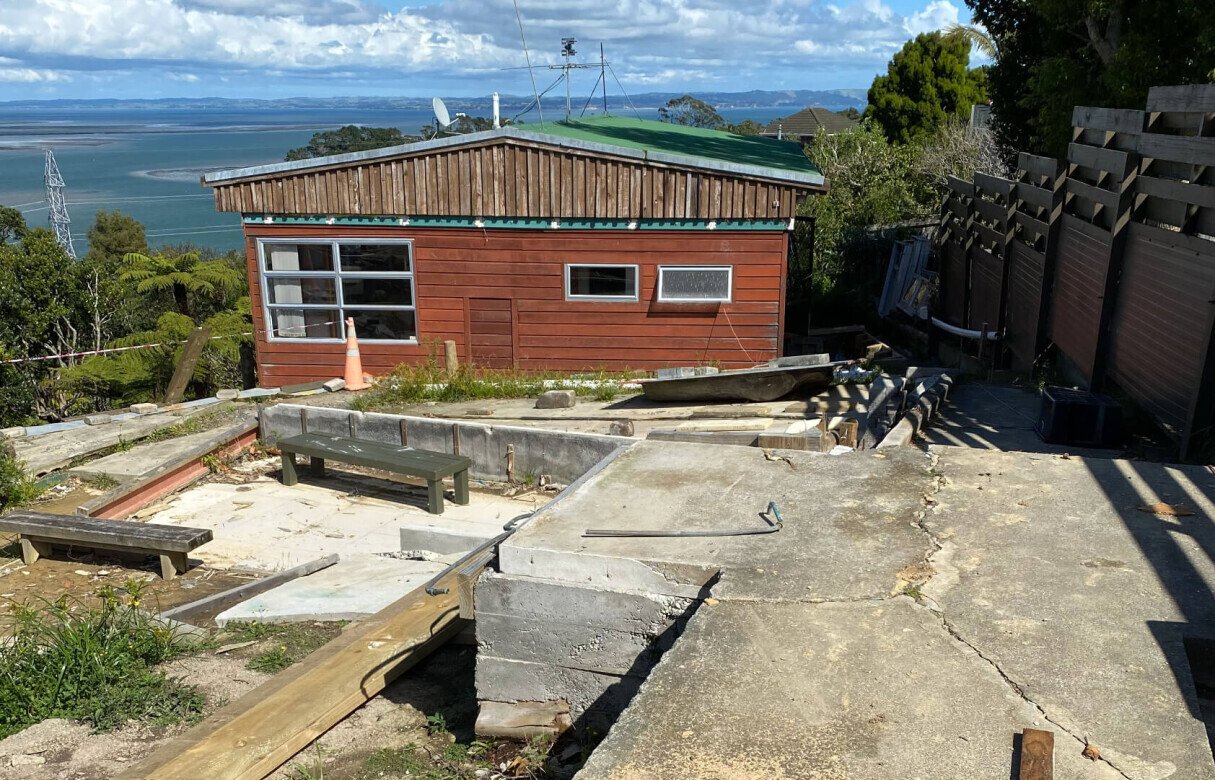
This Auckland development carefully relocates a dwelling within a Significant Ecological Area, removing minimal vegetation while preserving natural character and protecting local species.
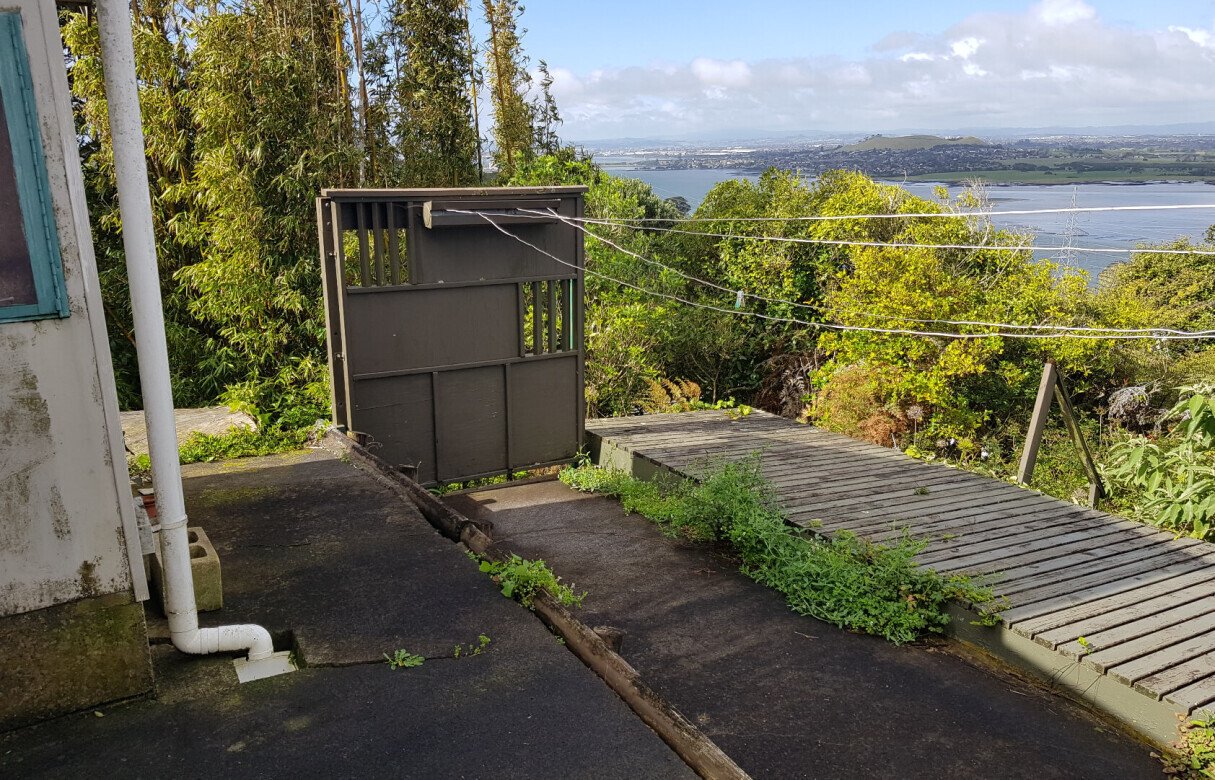
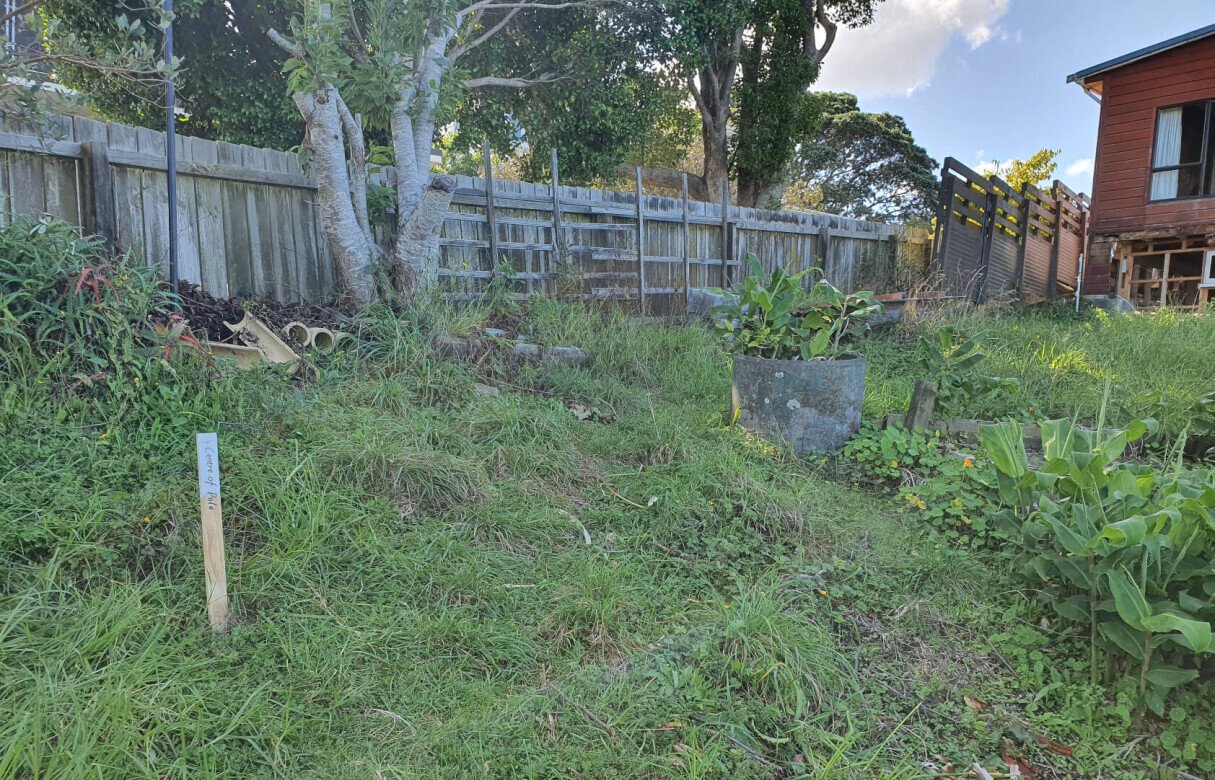
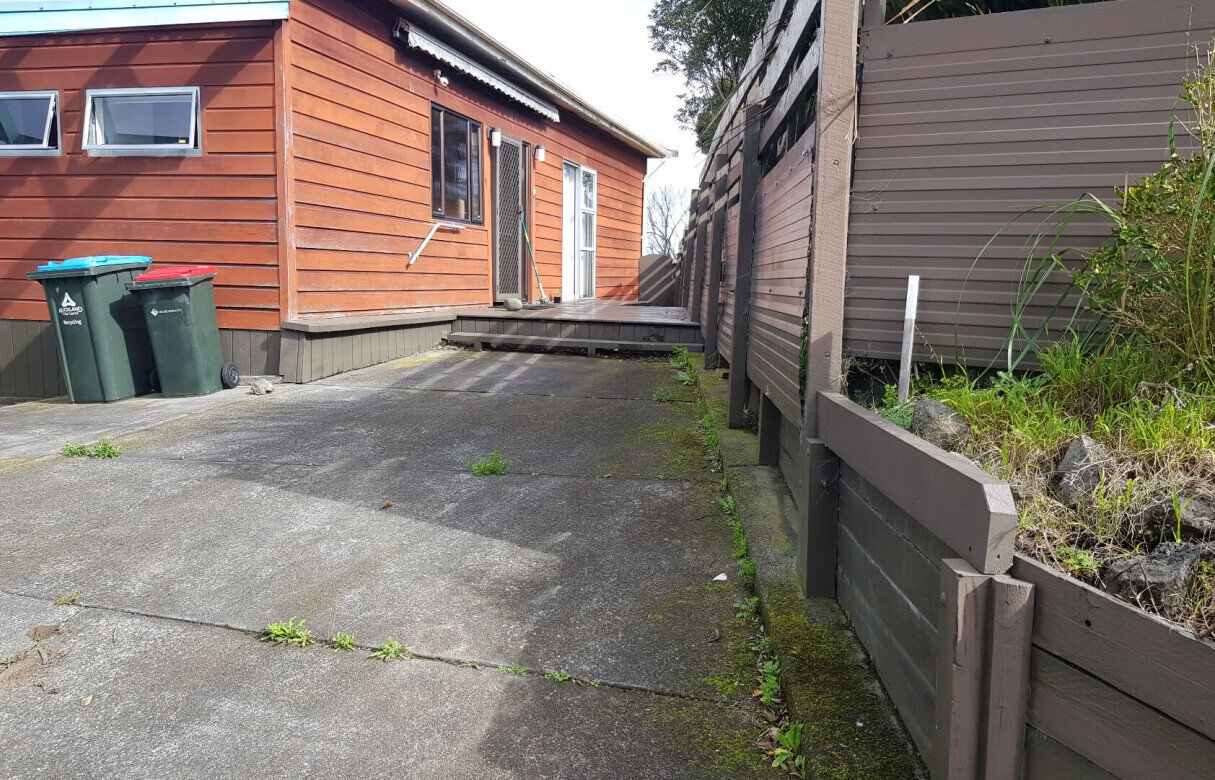
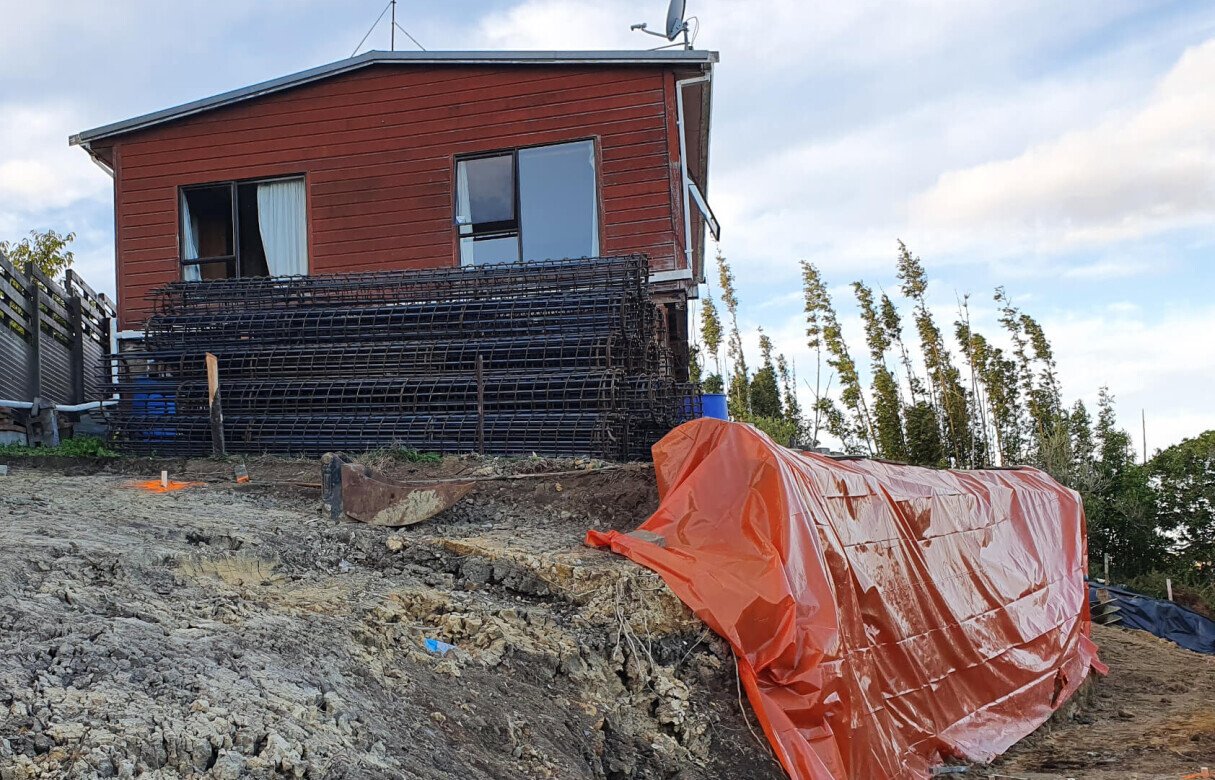
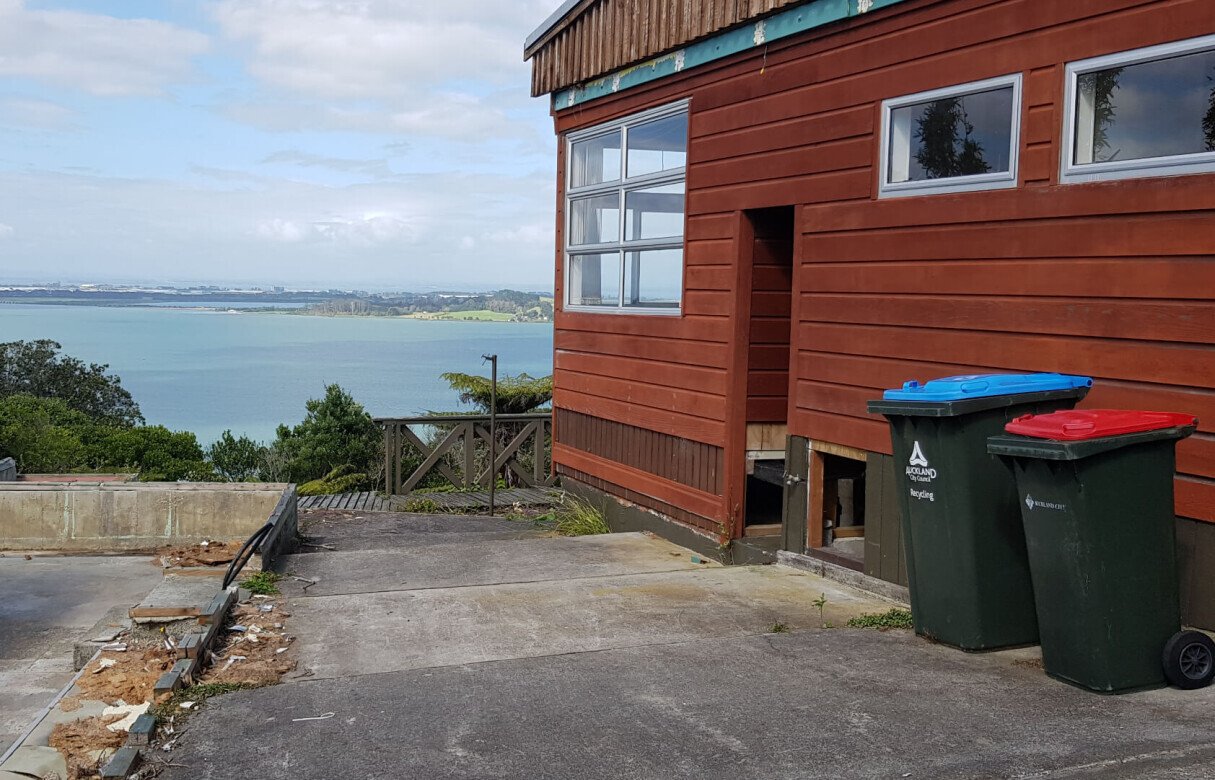
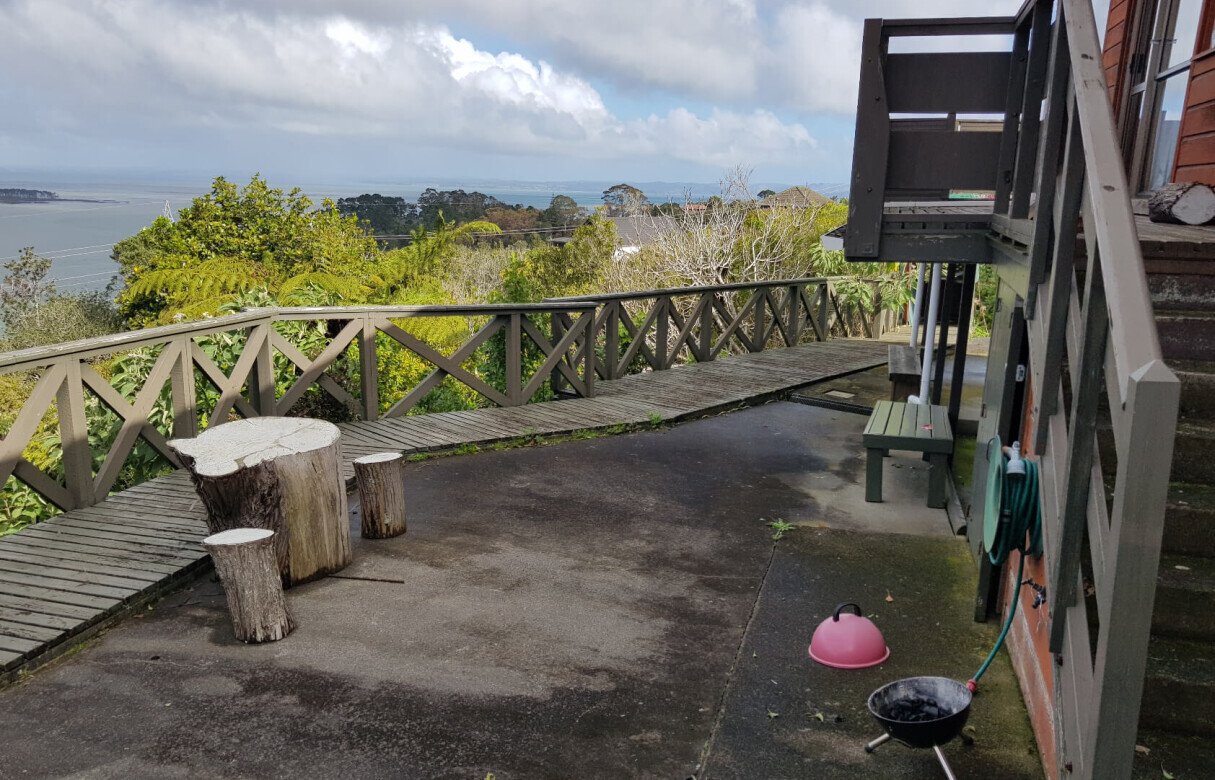
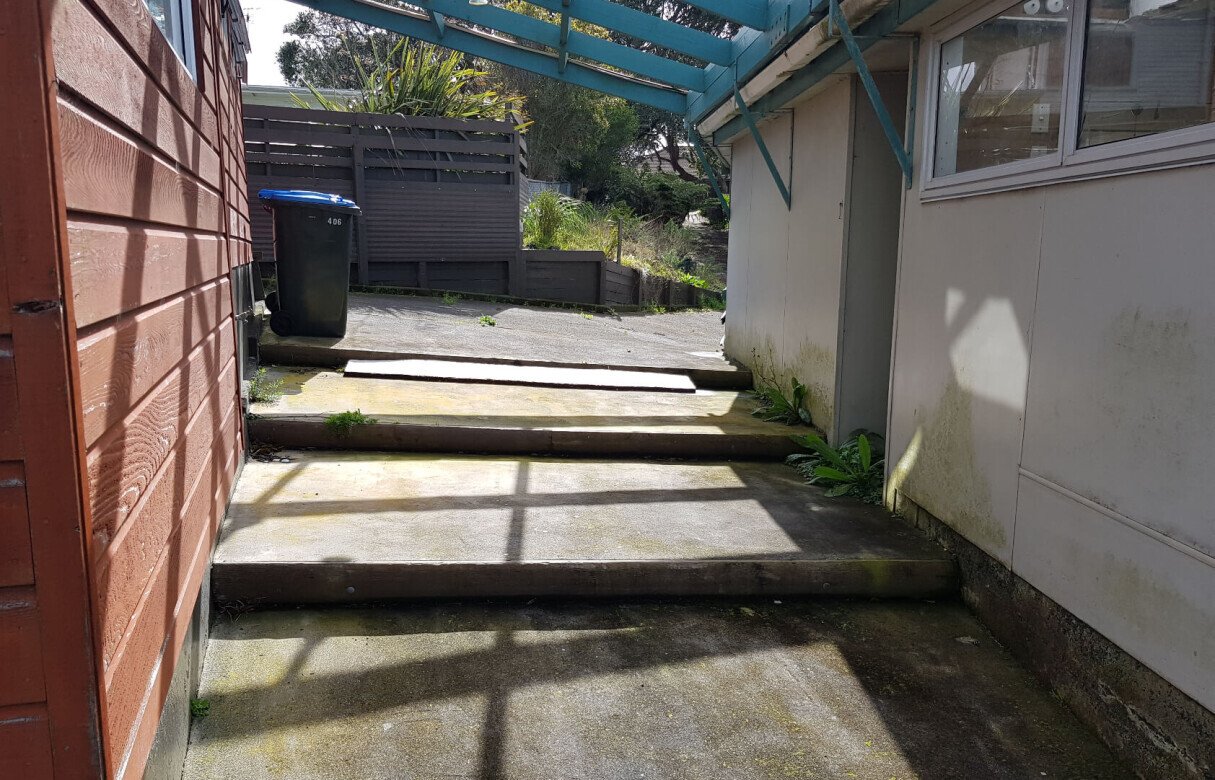
The owner wishes to relocate the existing dwelling to a new location southwest of its current position and to construct a new house on the site of the existing house.
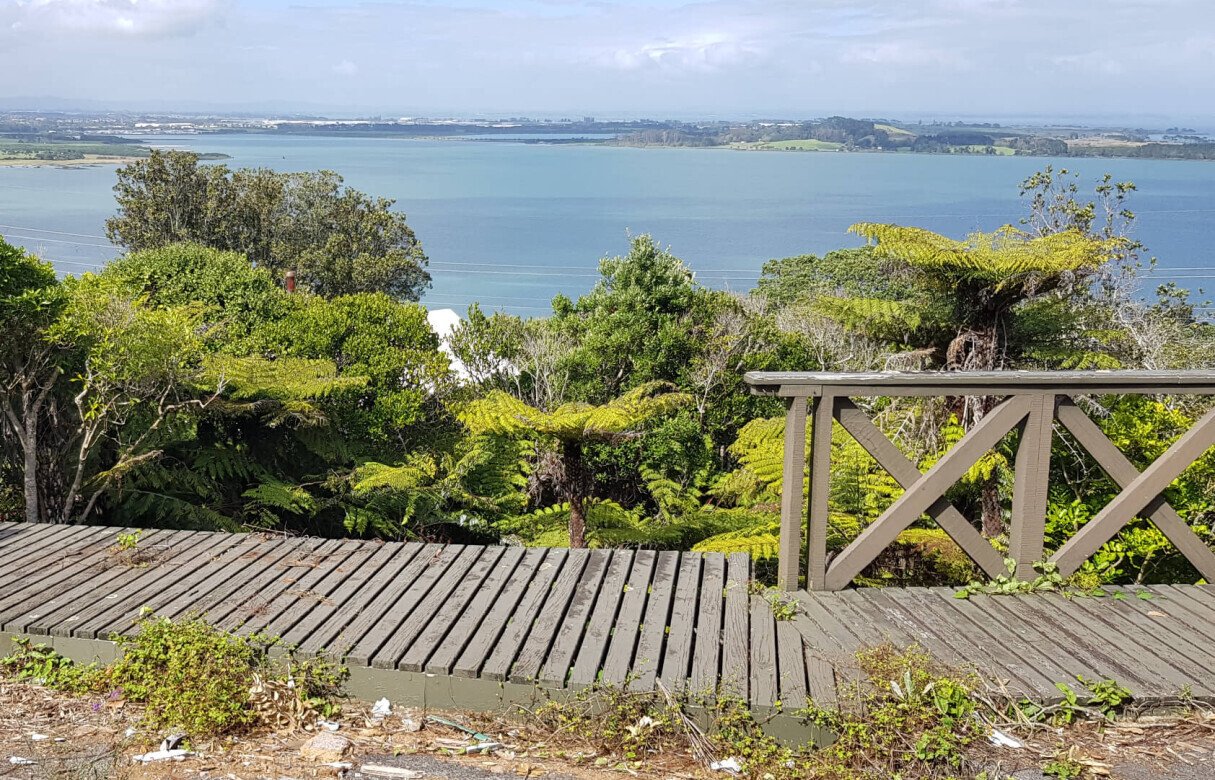
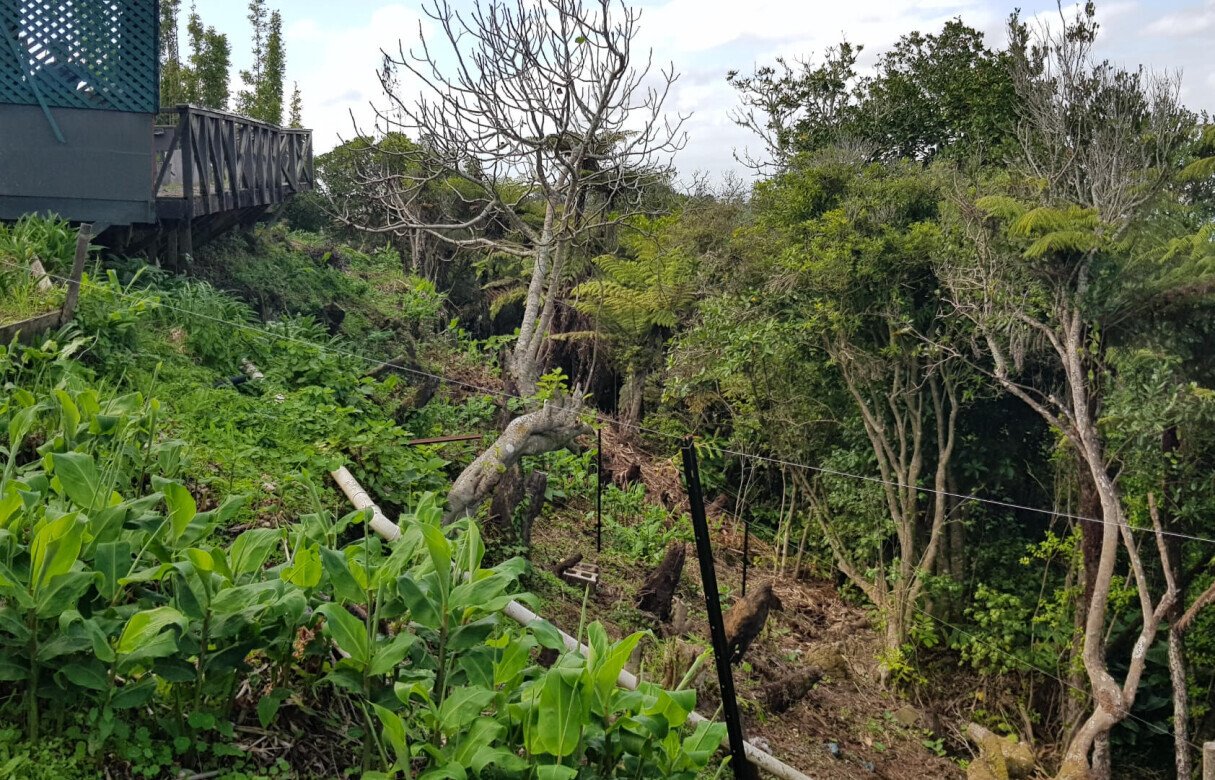
The site is approximately 76% covered by a Significant Ecological Area (SEA) overlay under the Auckland Unitary Plan - Operative in Part. The proposal will require the permanent removal of 134m² of vegetation from the northern edge and a further 52m² of temporary vegetation removal.
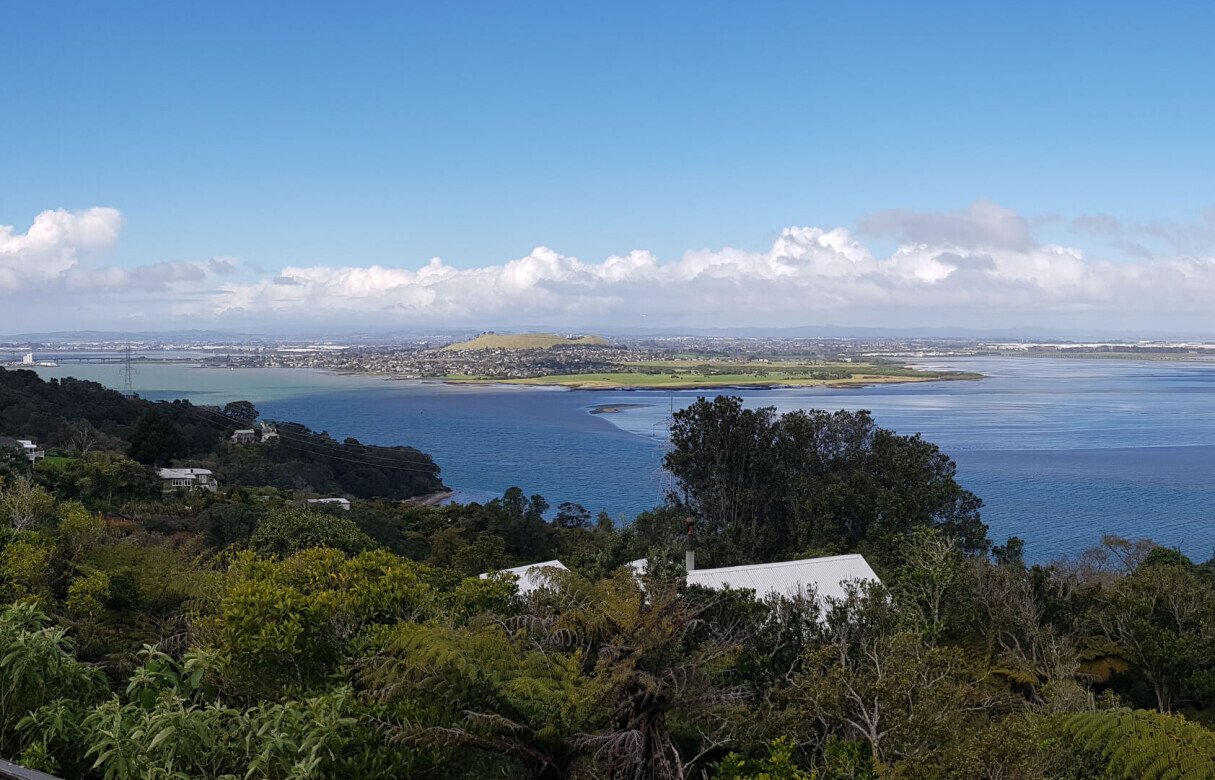
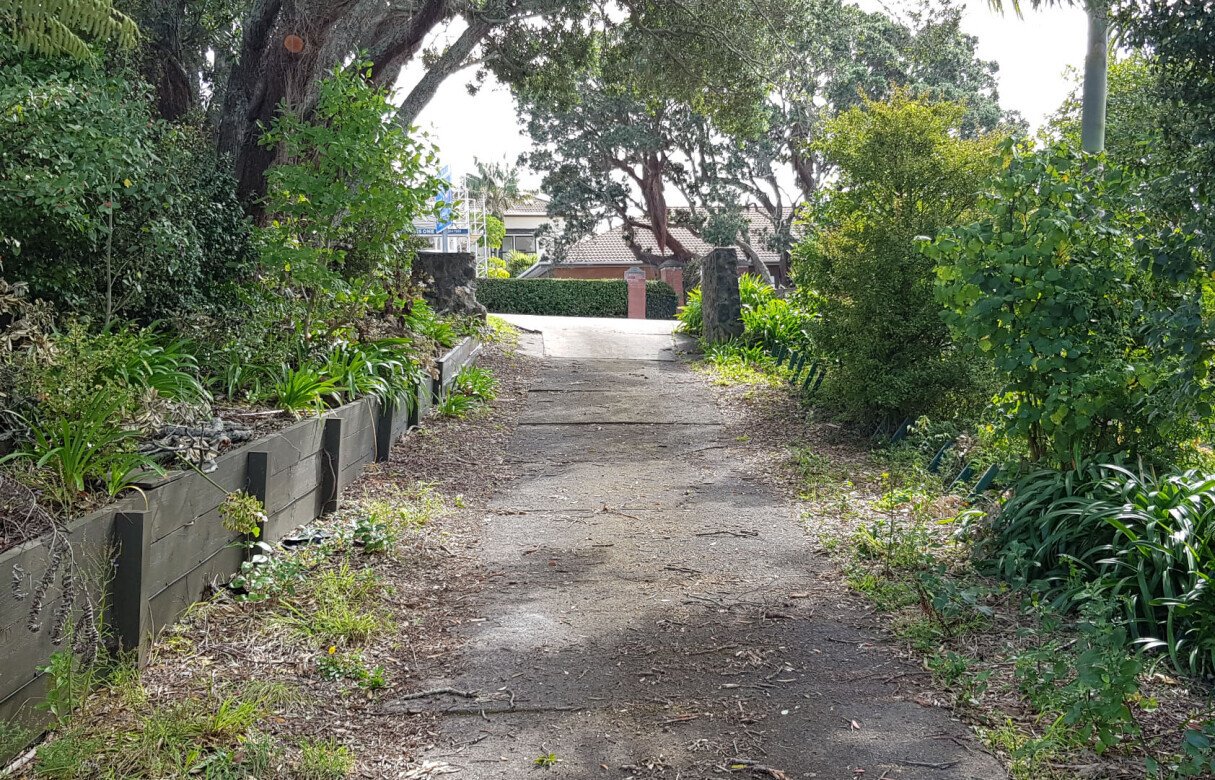
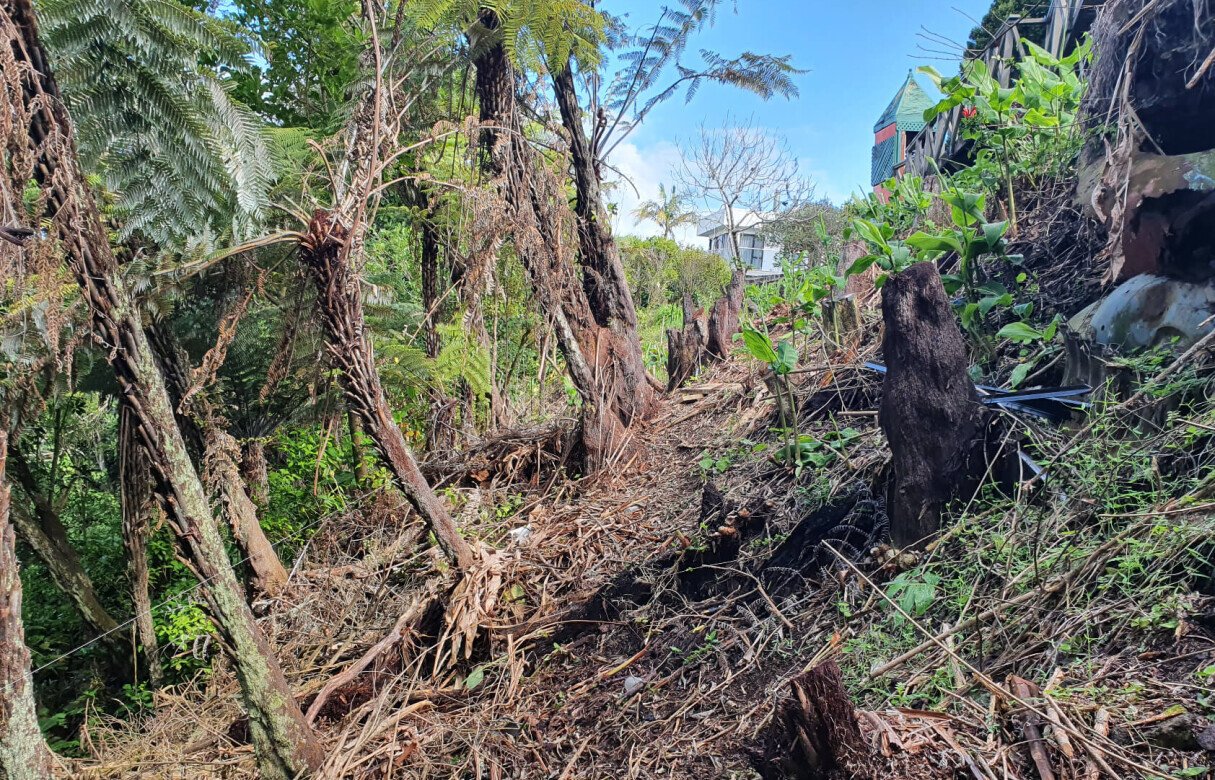
The site runs along the northern coast of the Manukau Harbour with generally steep, south facing slopes. The vegetation within the SEA is a mixture of pohutukawa, puriri, mahoe, ferns, broadleaf forest and pest plans. The vegetation proposed for removal on the edge of the SEA is of low ecological value and holds no significant canopy trees within the new building footprint. Therefore, this land development proposal will not cause any fracturing or disruption to the connections between ecosystems. Ecologists and herpetologists have assessed the site and found no rare species to be present, nor any obvious signs of pest animals. Common Copper Skinks (Oligosoma Aeneum) are known in the general area and as such, a Lizard Management Plan was formed to ensure minimal adverse effects on the skinks within the construction footprint.
As the removal of the SEA will not change the landscapes, natural features and natural character values of the area and is removing less than 6% of the overall vegetation, Resource Consent was approved.
Frequently Asked Questions
What is a Significant Ecological Area (SEA)?
A Significant Ecological Area (SEA) is land identified for its important ecological values, such as native vegetation, wildlife habitats, or biodiversity. Development within these areas is subject to additional planning and environmental assessment requirements.
Why are ecological assessments required before building in sensitive areas?
Ecological assessments identify protected habitats, native vegetation, and wildlife that may be affected by a proposed development. The findings help guide project design and determine measures to minimise environmental impacts.
What is a Lizard Management Plan?
A Lizard Management Plan outlines procedures to protect native lizard species before and during construction. It may include habitat inspections, monitoring, relocation protocols where required, and construction practices that reduce harm to wildlife.
Can development be approved within an ecologically sensitive area?
Yes. Development may be approved if it demonstrates that environmental impacts can be avoided, minimised, or appropriately managed while complying with applicable planning and environmental regulations.
Why is preserving habitat connectivity important?
Maintaining connected habitats allows native plants and wildlife to move, feed, and reproduce more effectively. Avoiding habitat fragmentation helps support long-term ecosystem health and biodiversity.
How can construction reduce impacts on native vegetation?
Construction impacts can be reduced by limiting vegetation removal, retaining mature trees where possible, establishing protected work zones, controlling erosion and sediment, and restoring disturbed areas after the project is completed.
