Projects
Limited as to Parcels Subdivision in Manukau Heads
Rural Coastal Zone two lot subdivision
 Back to Projects list
Scope of Work:
Subdivide around two existing dwellings to create two new lots with one dwelling on each.
Locality:
Pukekohe Branch
Key person:
Nick Hall, Kevin He & Nico Siemelink


Limited as to Parcels Subdivision in Manukau Heads
Rural Coastal Zone two lot subdivision
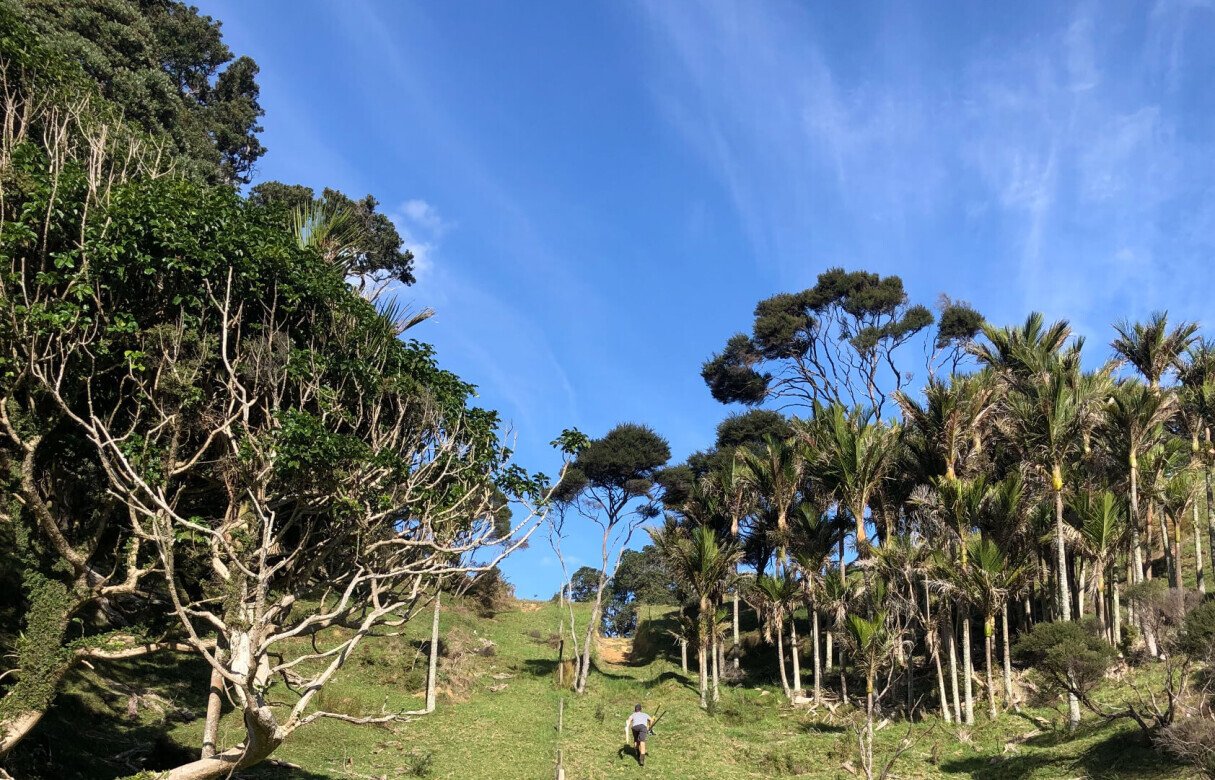
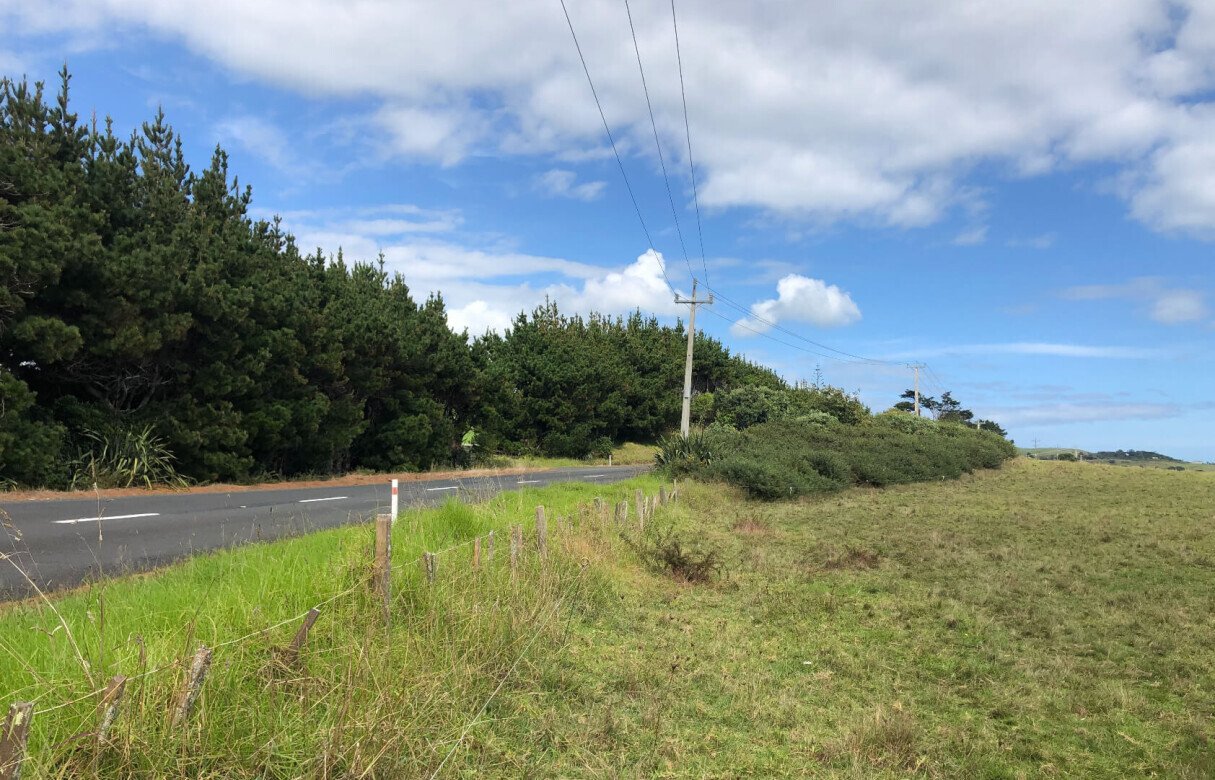
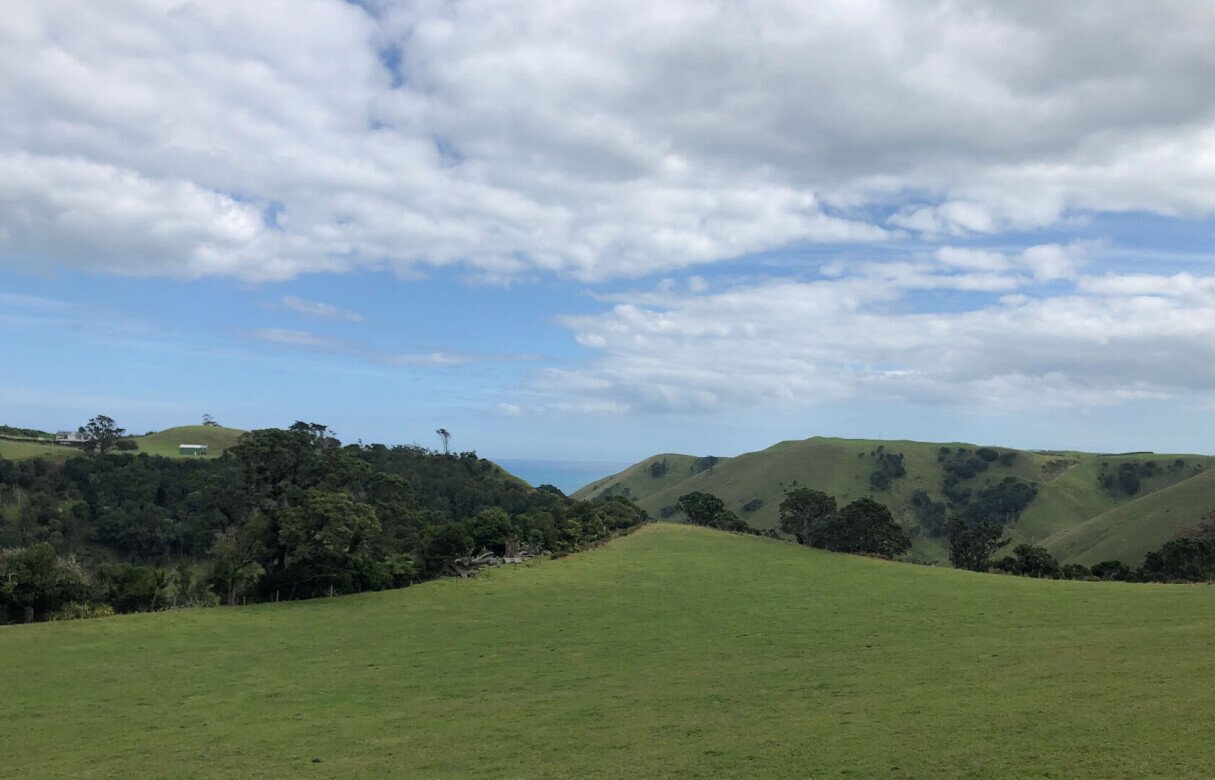
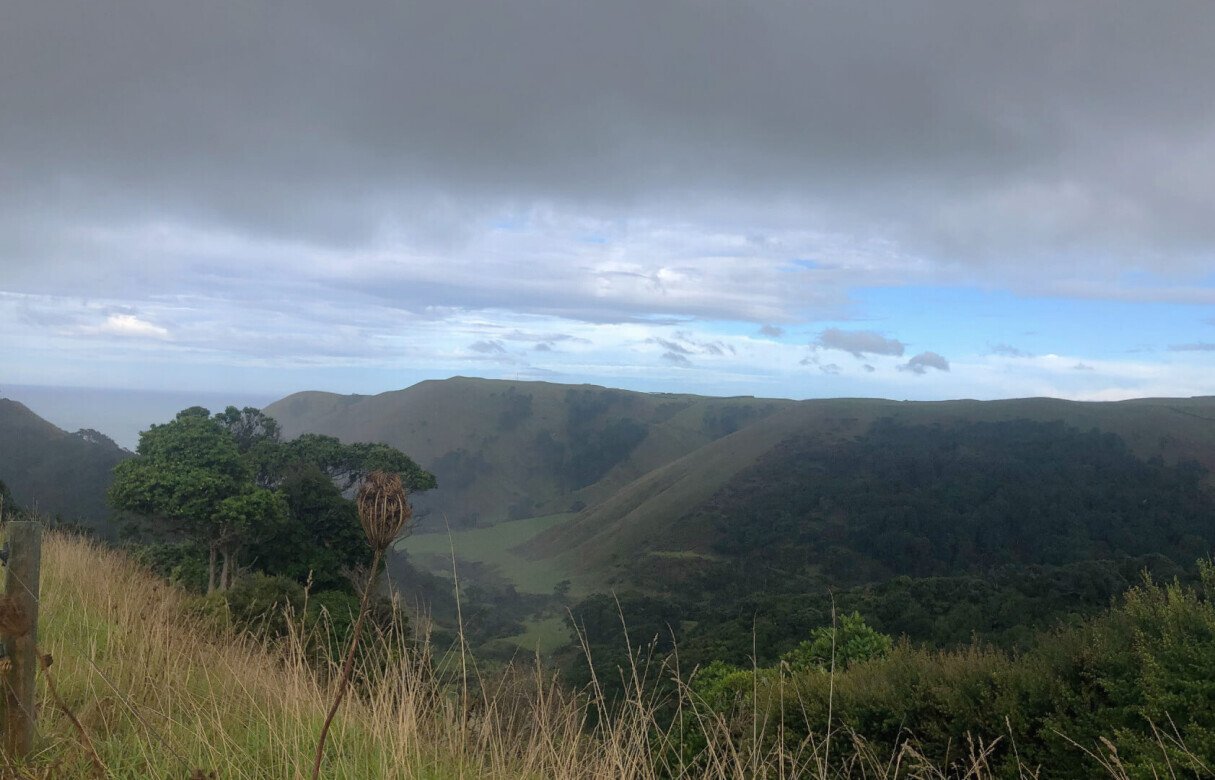
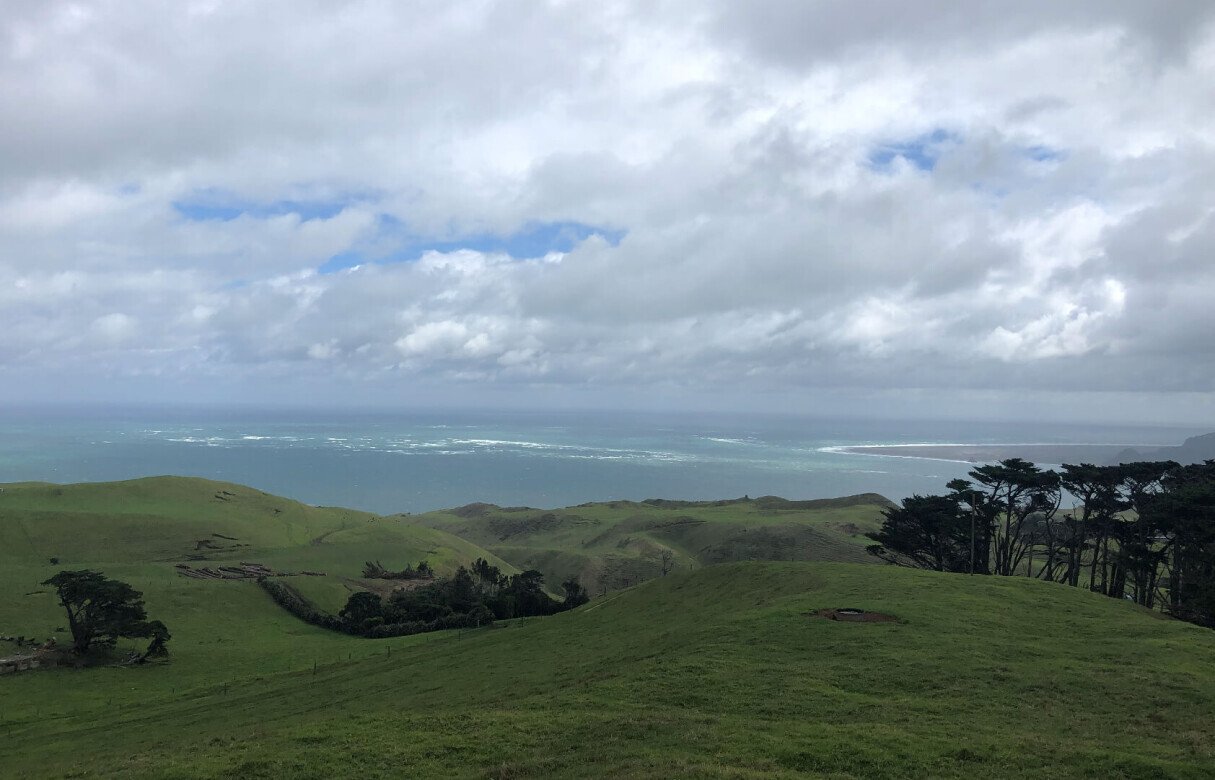
This subdivision separates two dwellings on a 179ha rural coastal site into two lots, preserving significant ecological areas, natural landscapes, and existing stormwater and overland flow patterns.
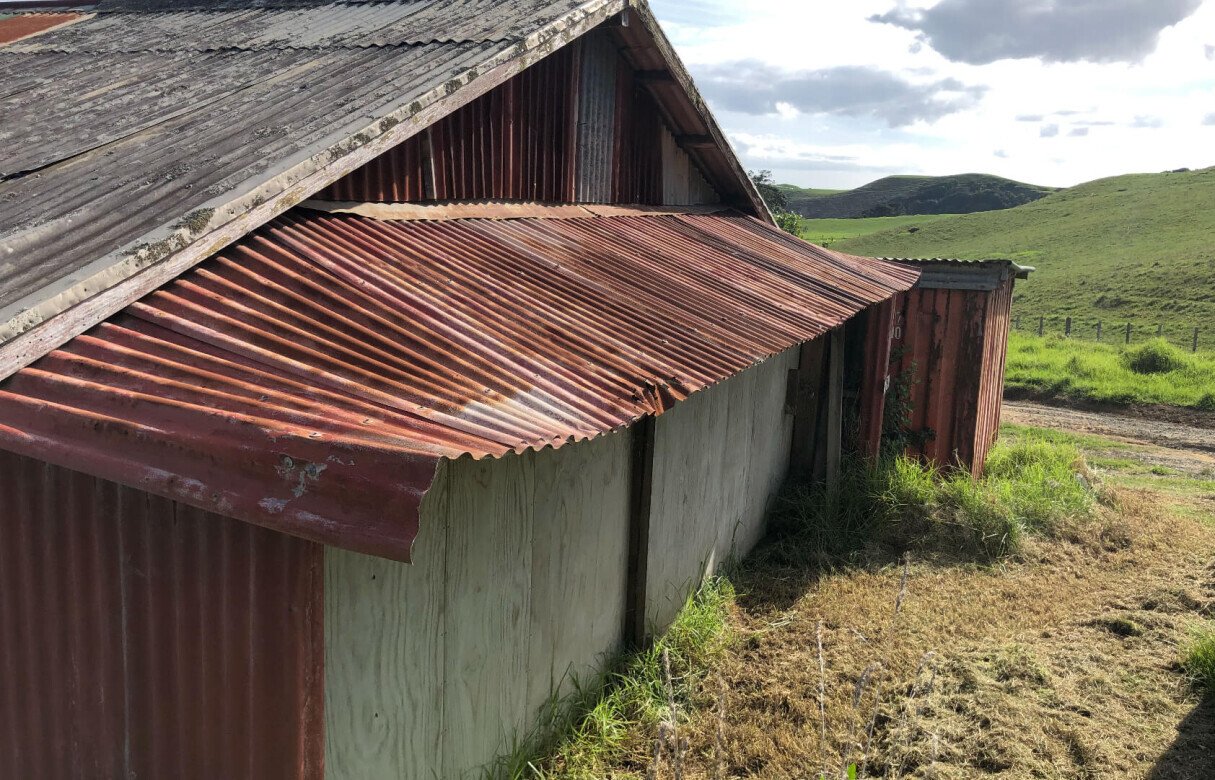
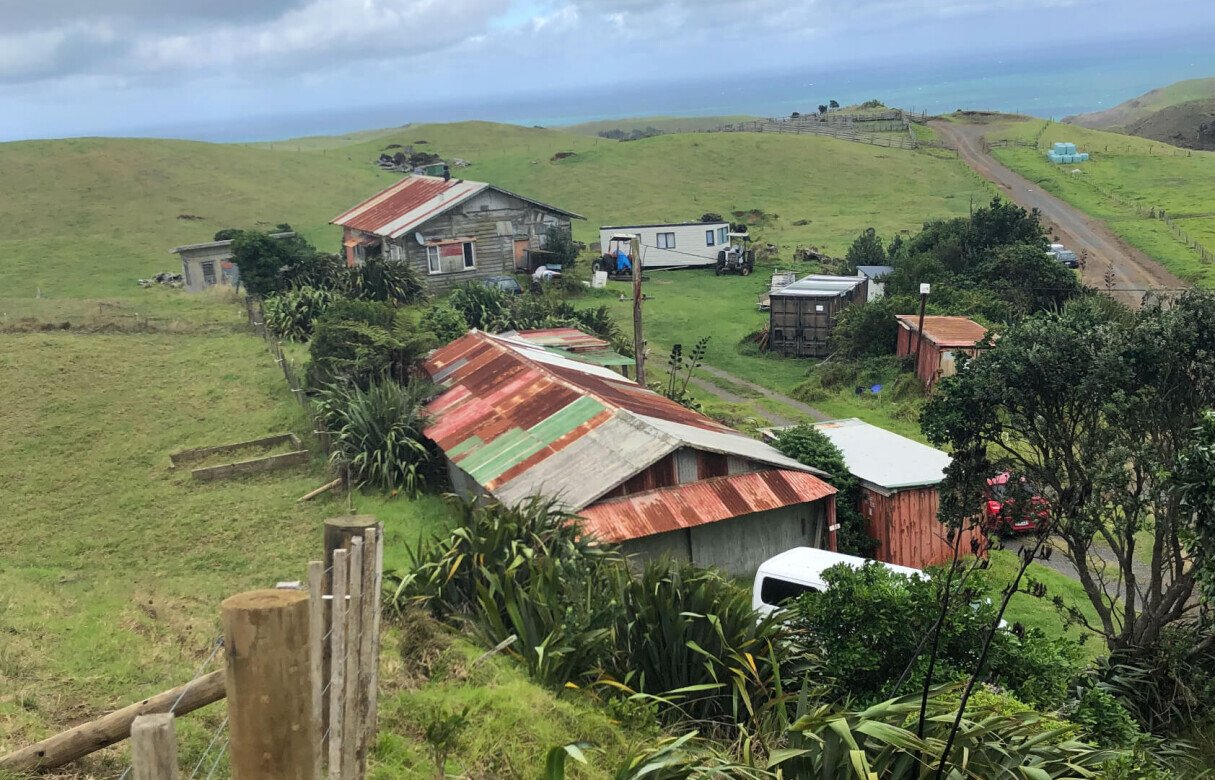
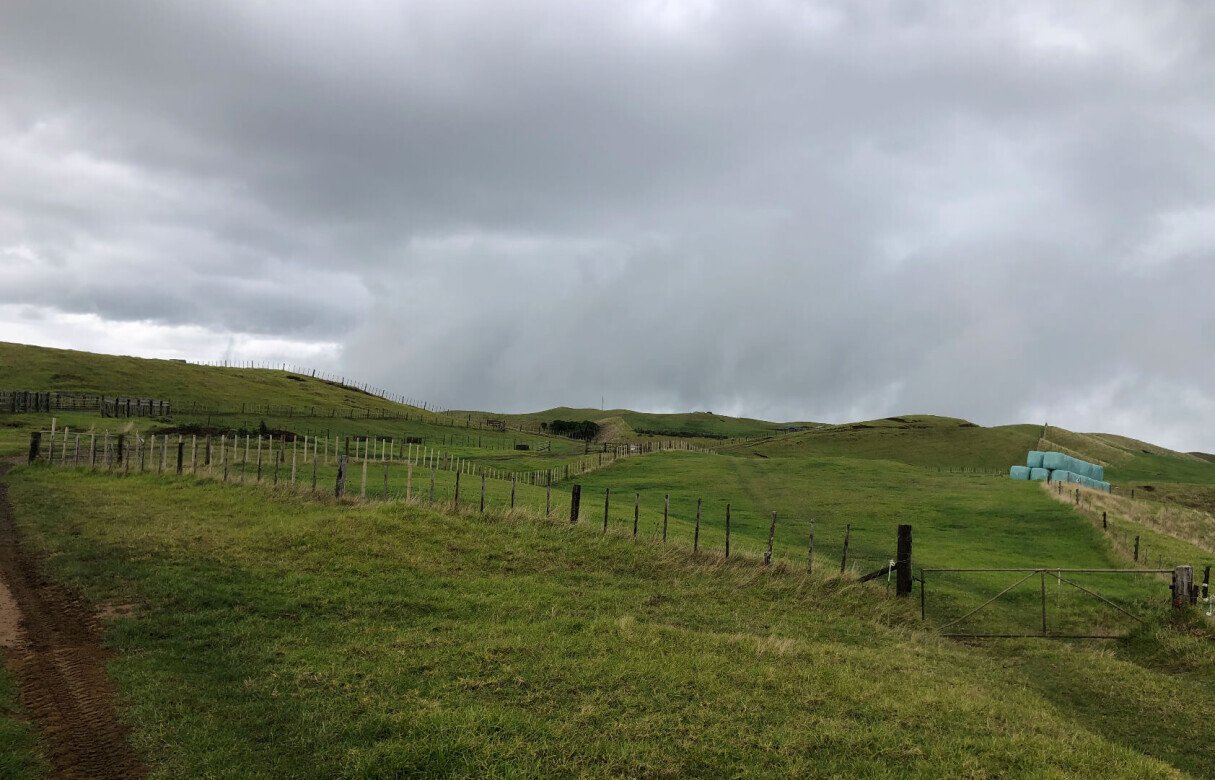
A Limited as to Parcles subdivision on approximately 179ha of Rural Coastal Zone located at the northern tip of Awhitu Peninsula. This subdivision will seperate two existing dwellings, which are fully serviced, to create two new lots with one dwelling on each proposed lot.
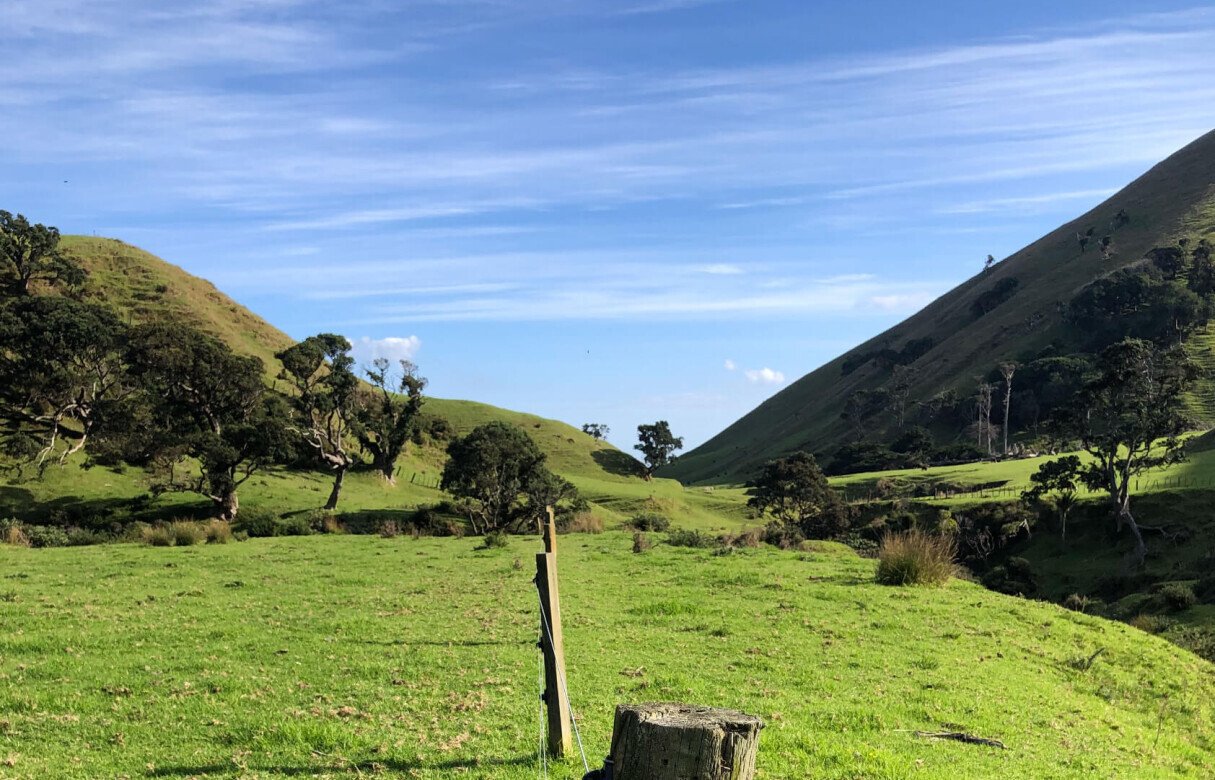
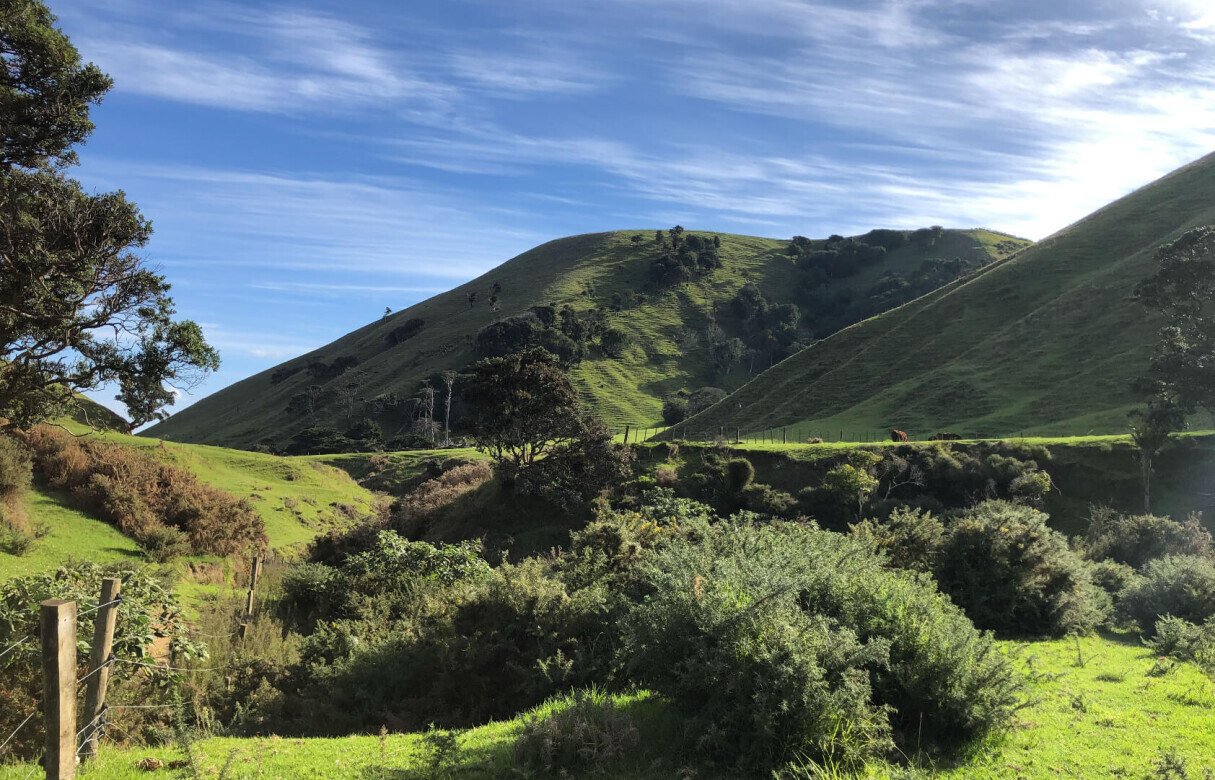
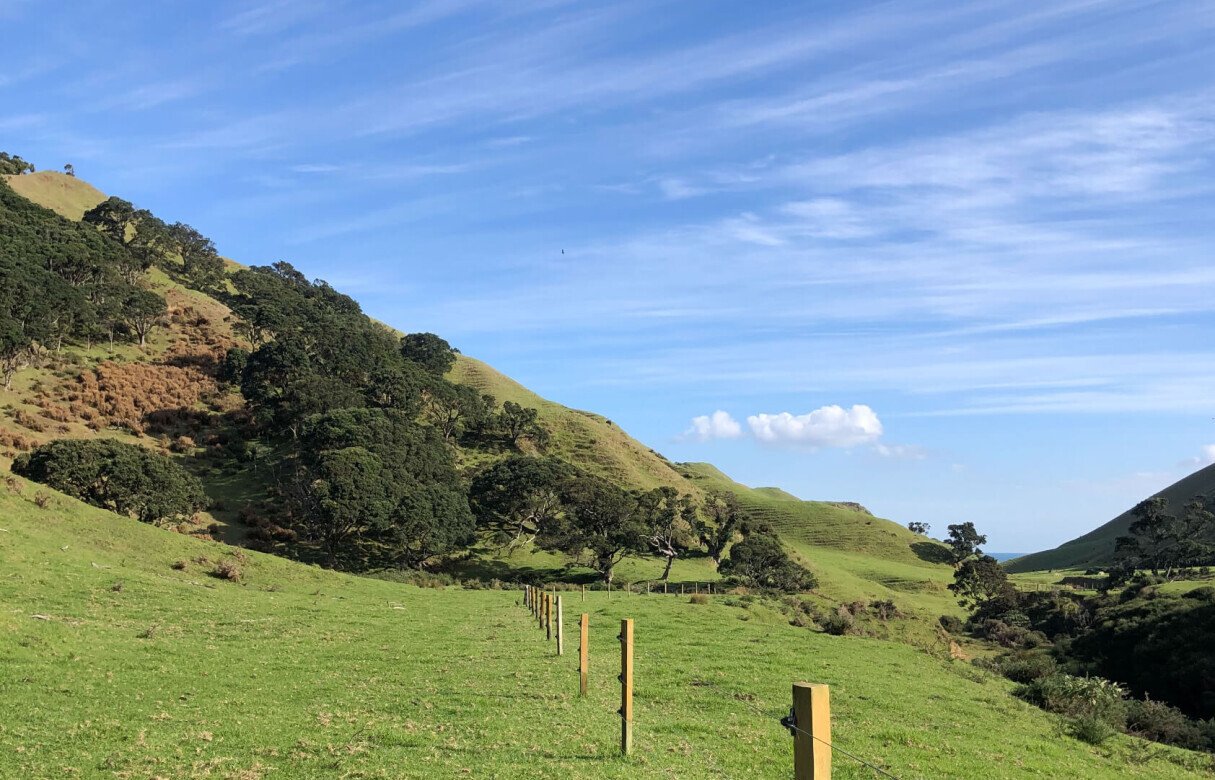
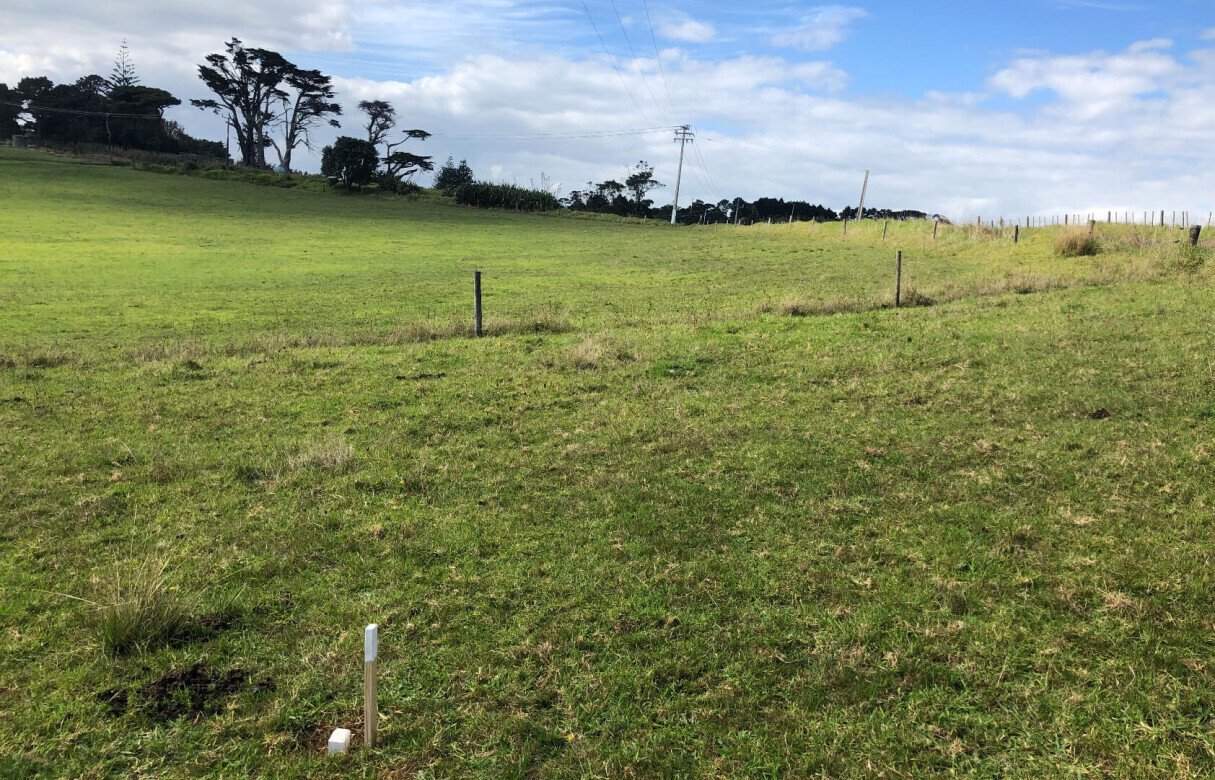
The site is a large rural block and the site features heavy undulations incised by gullies and watercourses. There are large stands of Significant Ecological Areas (SEA). The SEAs will be retained on both proposed lots and the existing dwellings will be located at opposite ends of each new lot, therefore the Outstanding Natural Landscape and High Natural Character overlays will be unaffected.
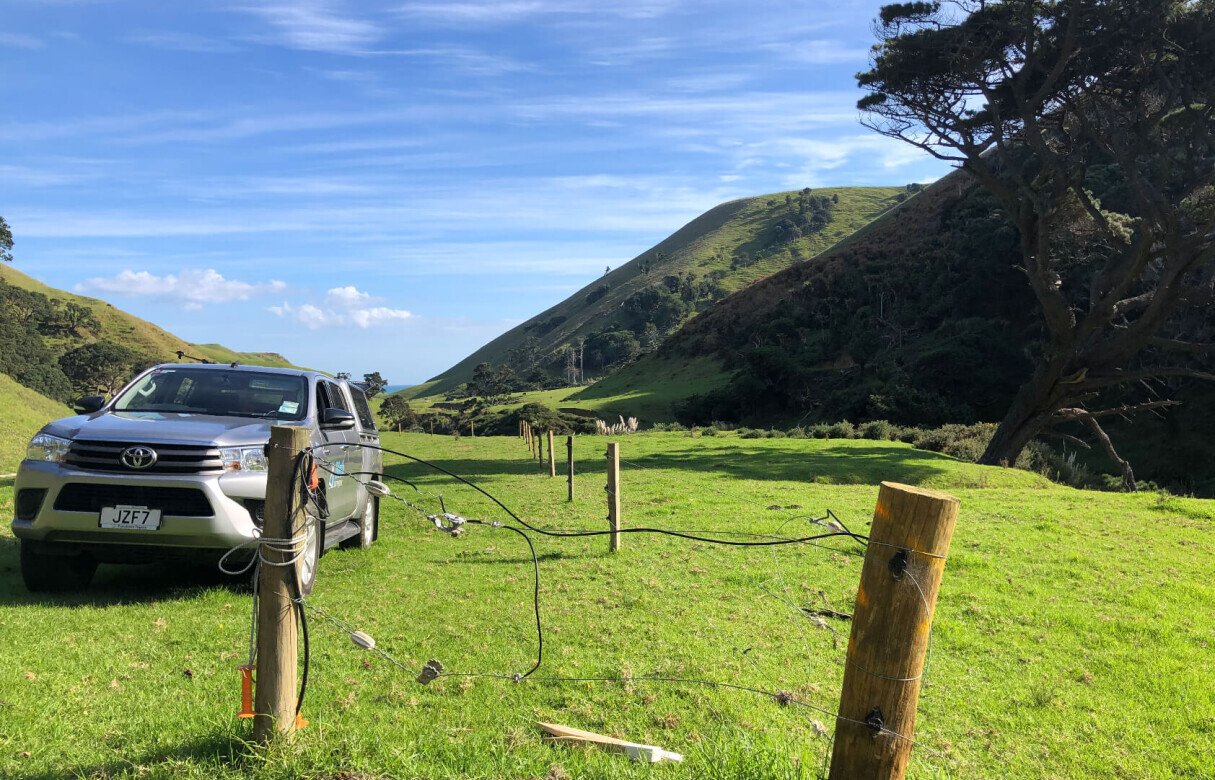
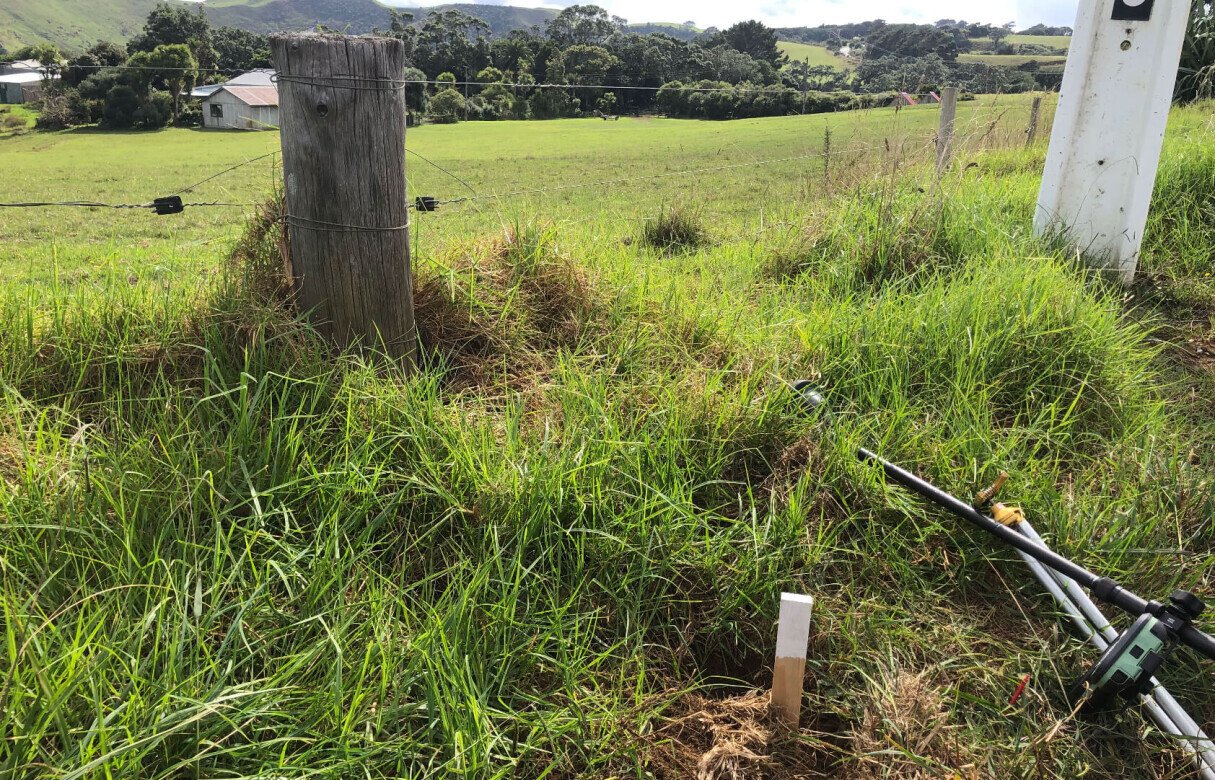
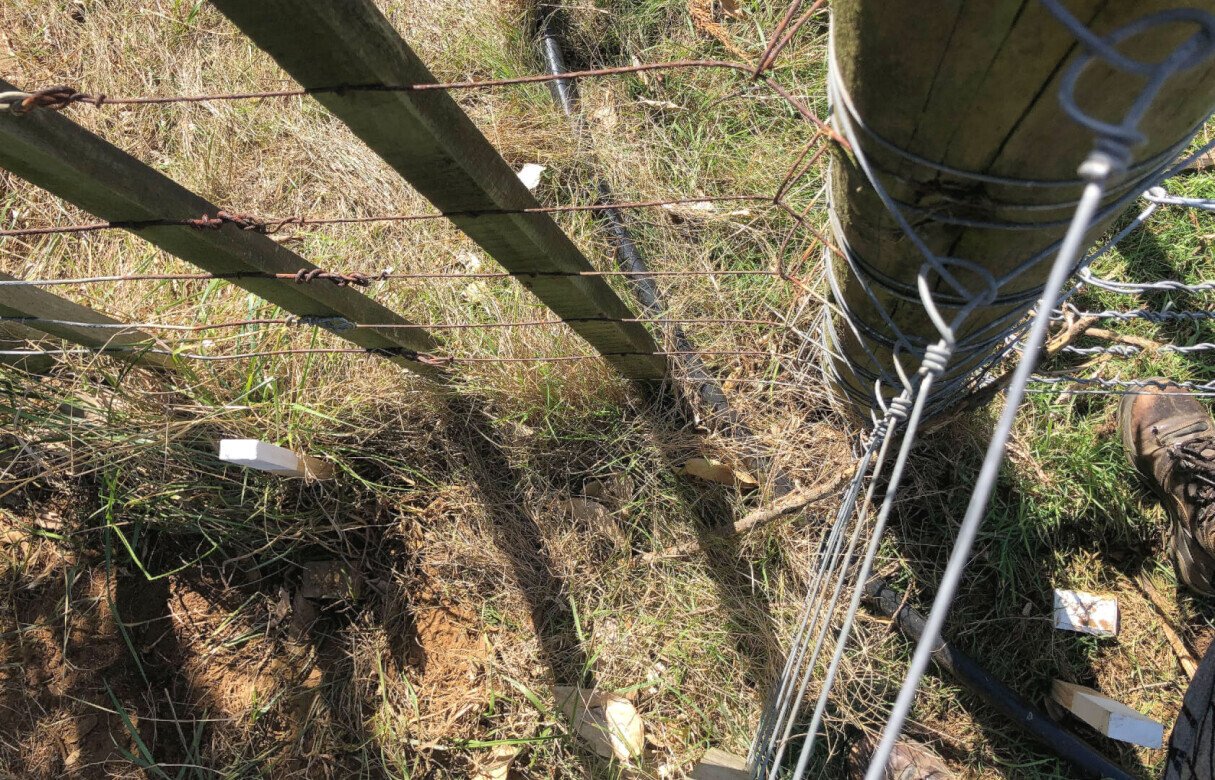
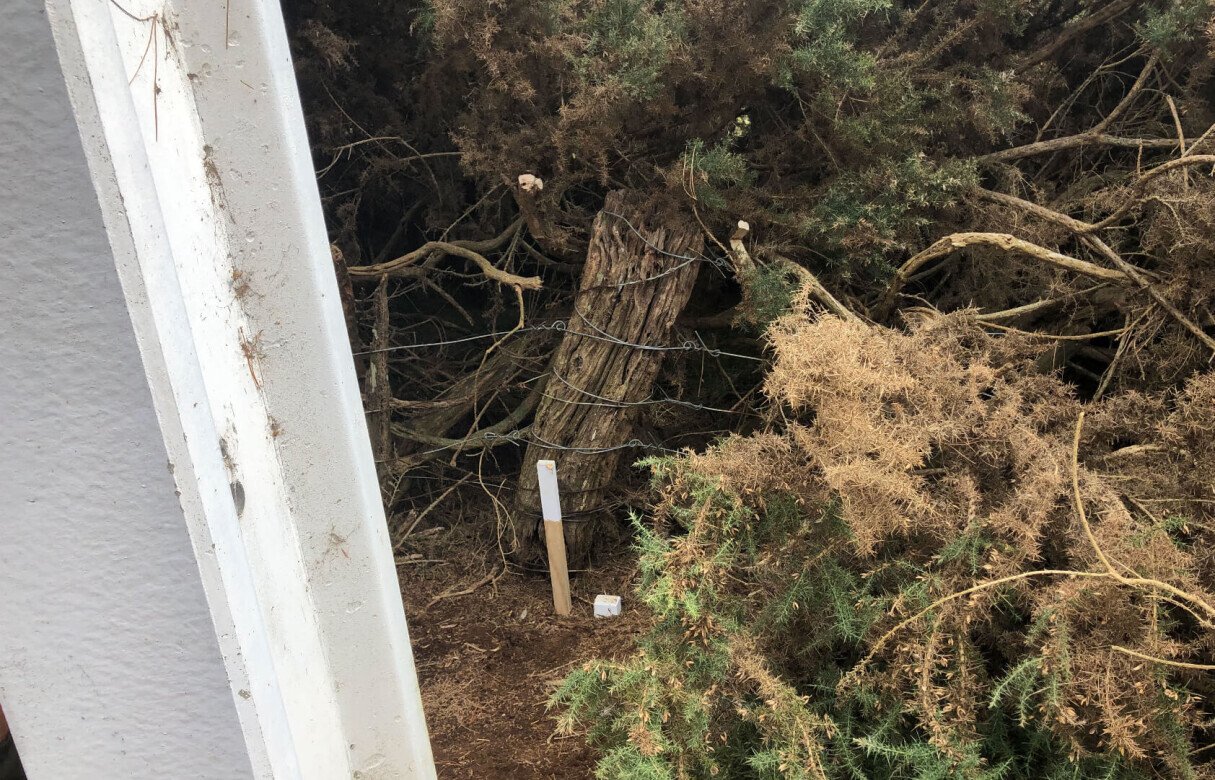
The overland flow paths will not be effected, nor will there be changes to stormwater drainage patterns due to this subdivision. The amenities, natural and rural character will also remain unchanged as the proposed new lots comply with the size requirements needed within the Rural Coastal Zone. The protection of the West Coastal Awhitu Penisnsulas raw, wild and undeveloped nature will remain uphelded as no land use activities which may detract or generate adverse effects on the landscape had been proposed.The proposed internal boundary does go through the existing SEA but because it is on an existing fence, on the hills ridgeline, adverse effects on biodiversity is not anticipated.
Frequently Asked Questions
What is a Limited as to Parcels subdivision?
A Limited as to Parcels subdivision creates separate legal titles for existing buildings or land areas while meeting specific legal and planning requirements. It is commonly used to separate existing dwellings on large rural properties.
Why are Significant Ecological Areas important in rural subdivisions?
Significant Ecological Areas (SEAs) protect native vegetation, wildlife habitats, and biodiversity. Subdivision proposals must demonstrate that these environmentally important areas will be preserved and managed appropriately.
How do natural landscape overlays affect subdivision applications?
Natural landscape overlays identify areas with high environmental or scenic value. Developments within these areas must be carefully designed to minimise visual impacts and protect the landscape's natural character.
Why is stormwater management considered during rural subdivisions?
Effective stormwater management helps prevent flooding, erosion, and water quality issues. Maintaining existing drainage patterns reduces the risk of adverse environmental impacts after subdivision.
Can an internal property boundary pass through an ecological area?
In some cases, yes. If the boundary follows an existing feature, such as a fence line, and does not negatively affect biodiversity or environmental values, councils may consider it an acceptable outcome.
What factors help preserve the character of a rural coastal property during
subdivision?
Maintaining appropriate lot sizes, protecting natural habitats, limiting new land use activities, and preserving existing landscape features all help retain the rural and coastal character of a property.
