Projects
Healthy & Fresh Project
Multiple landuse and subdivision consents to create a large scale hydroponic activity
 Back to Projects list
Scope of Work:
Subdivision consent; Land Use consents for Hydroponic plastic houses, workers accommodation, Pack-house, establish and use a rain water collection system, stormwater discharge consents, Nutrient discharge, and earthwork consents
Locality:
Pukekohe Branch
Key person:
Nick Hall and Kelly Bosgra
Healthy & Fresh Project
Multiple landuse and subdivision consents to create a large scale hydroponic activity
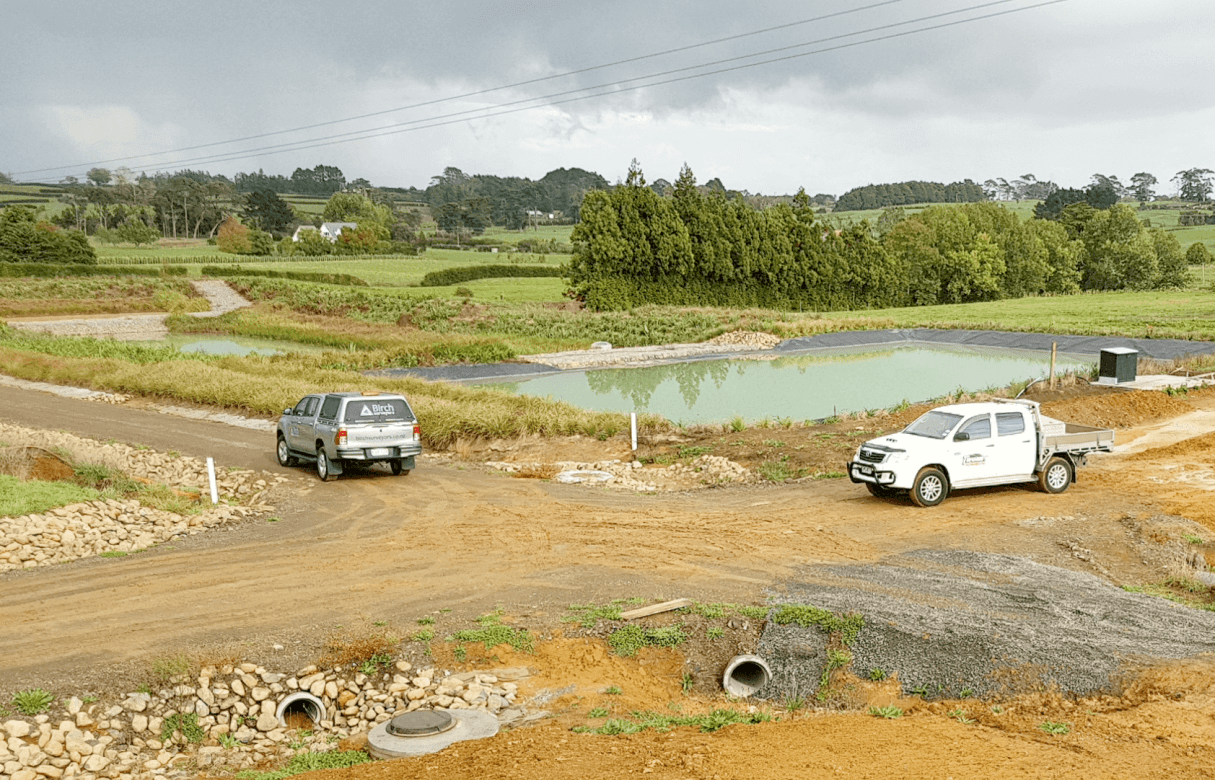
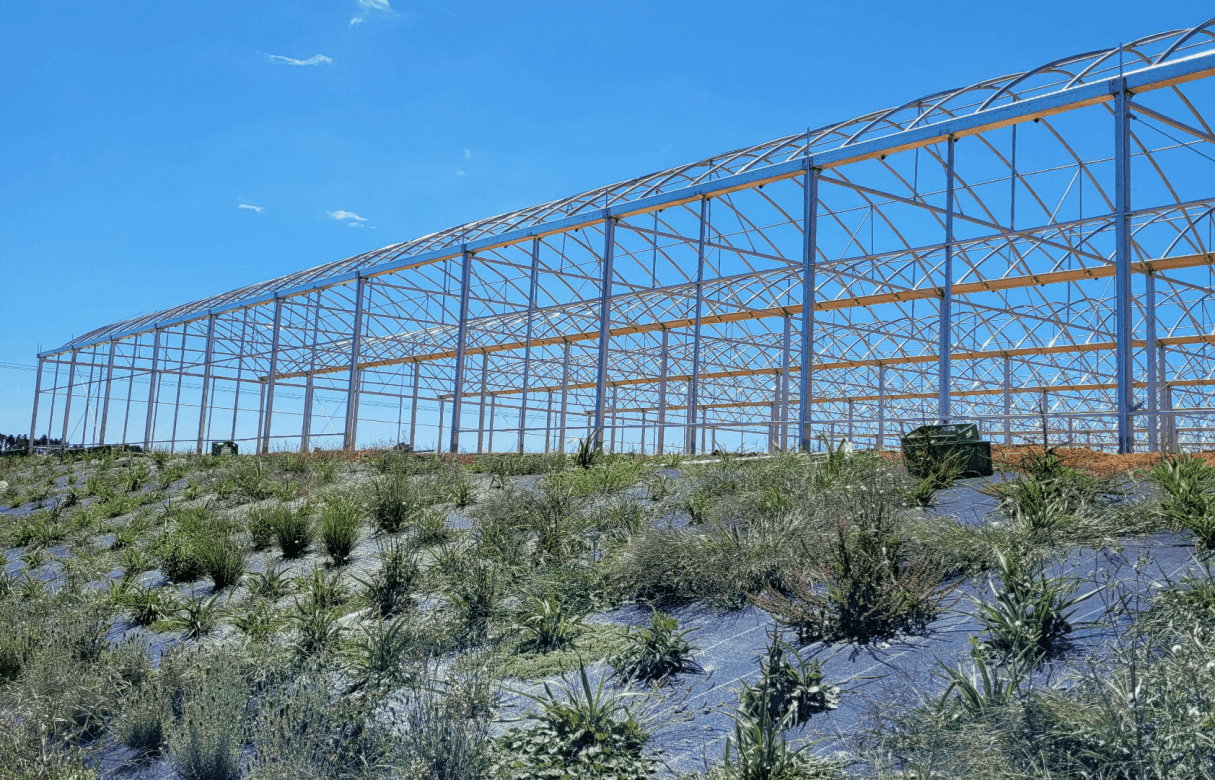
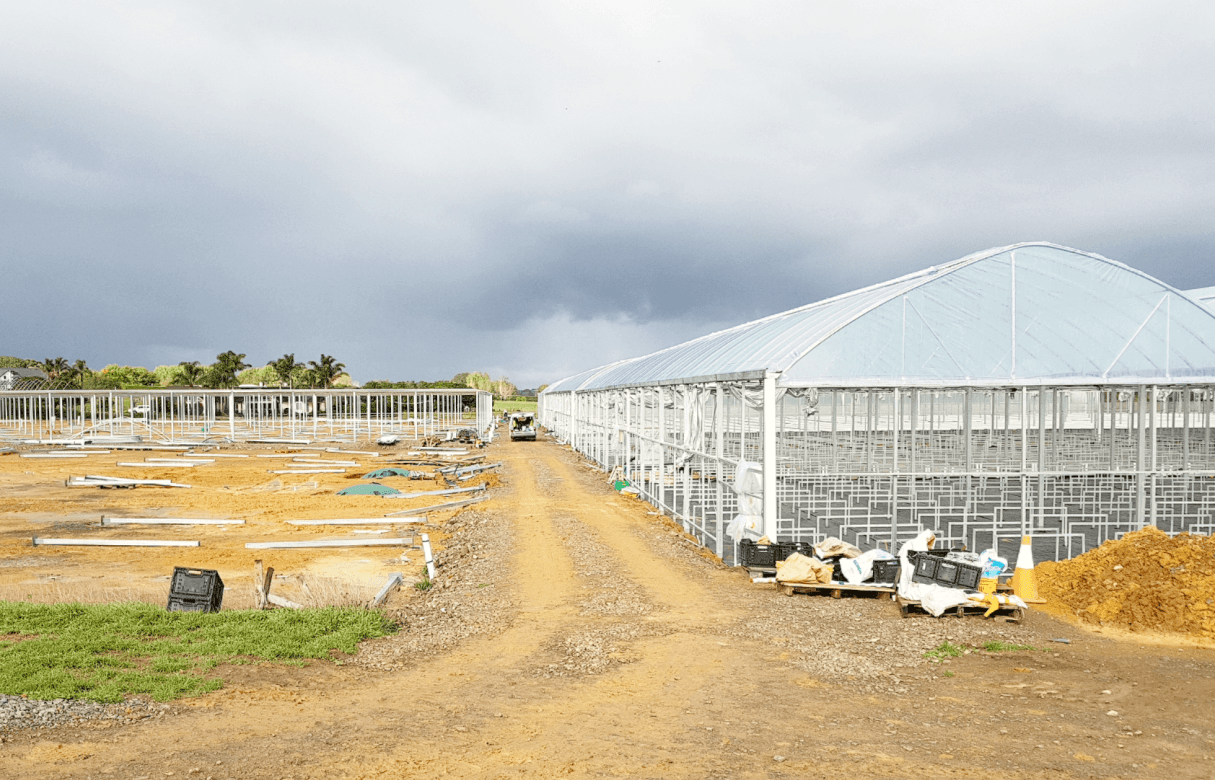
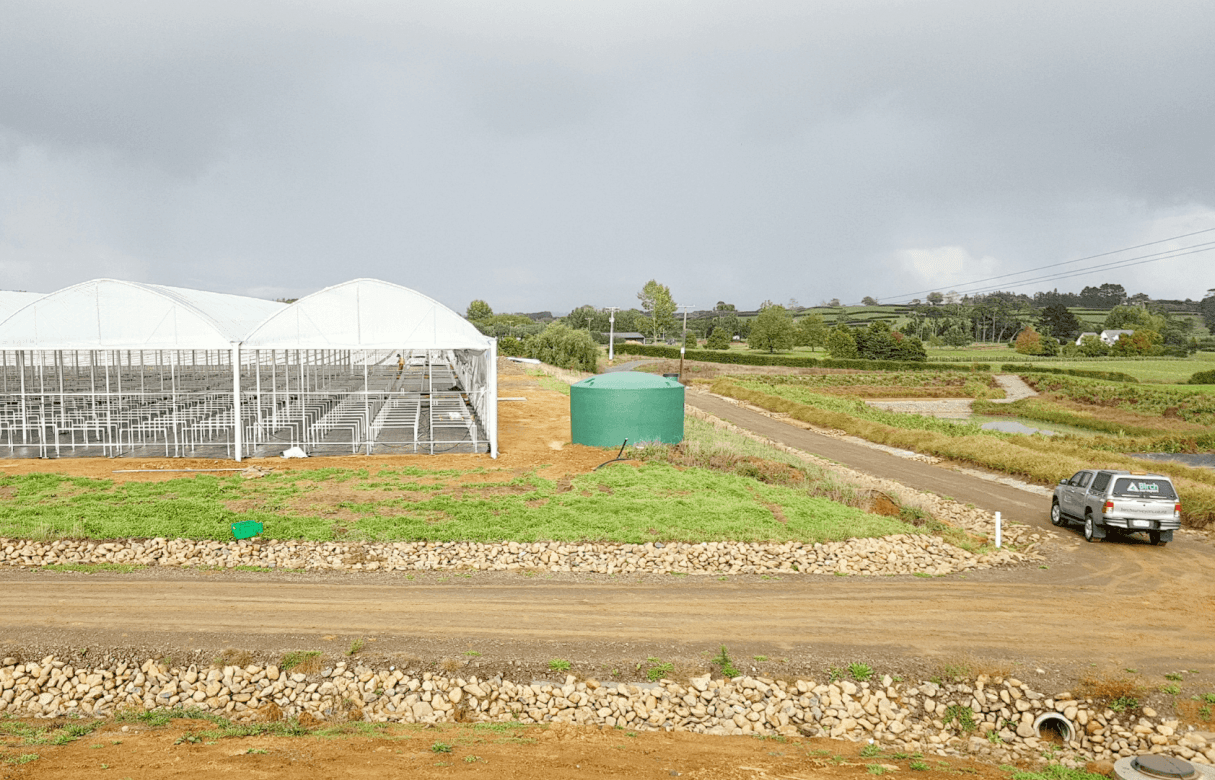
This comprehensive project, was initiated in 2018, when our clients acquired this 28 hectare Karaka property for the purpose of establishing an intensive hydroponic operation and associated activities. From a consenting perspective it required the relocation of two consented rural lots, and staged Land use consents including stormwater discharges, water take, earthworks, nutrient discharge, workers accomodation and a packhouse. While the construction of plastic houses within the zone was a permitted activity, the scale of the proposal means a number of other consents were required.
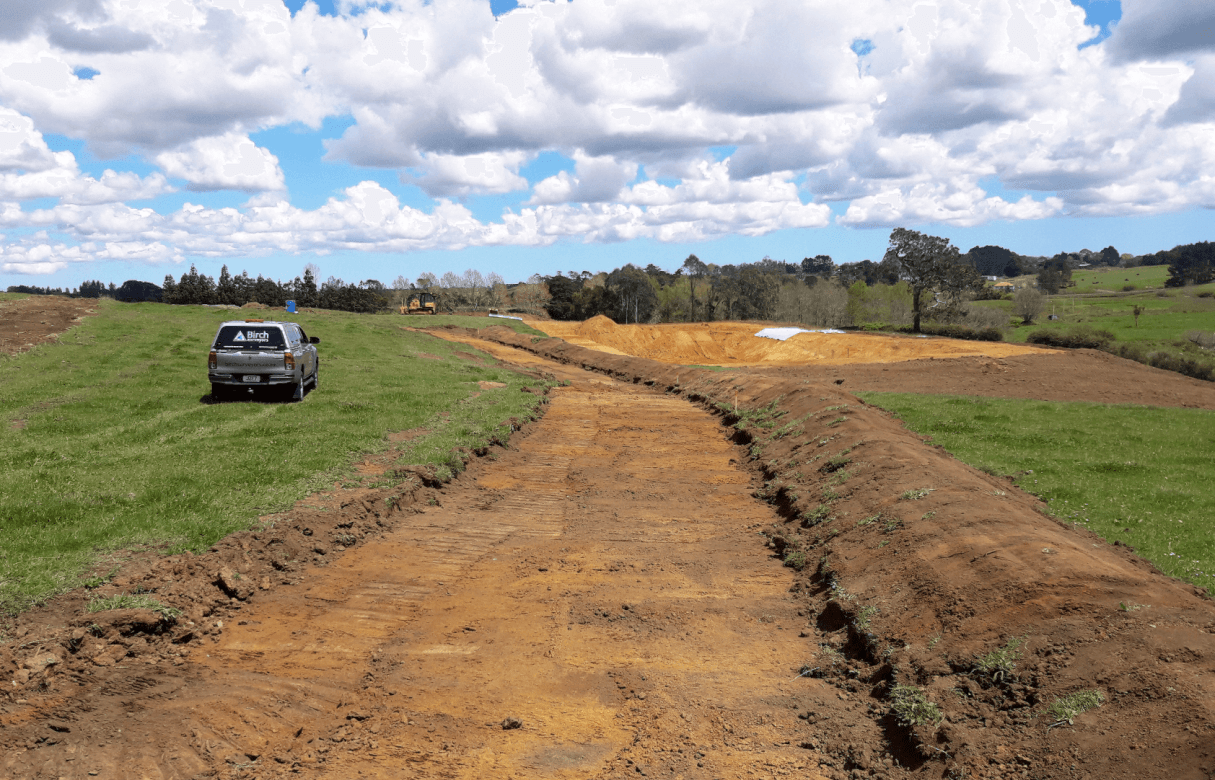
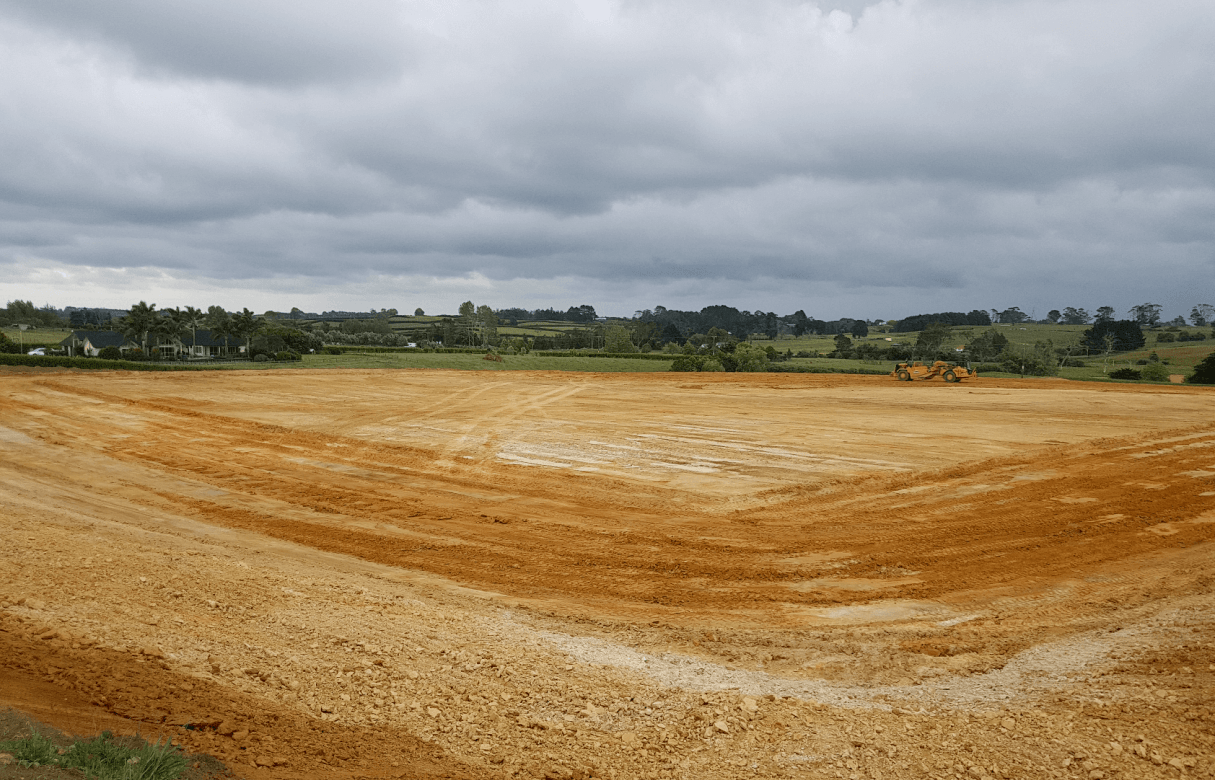
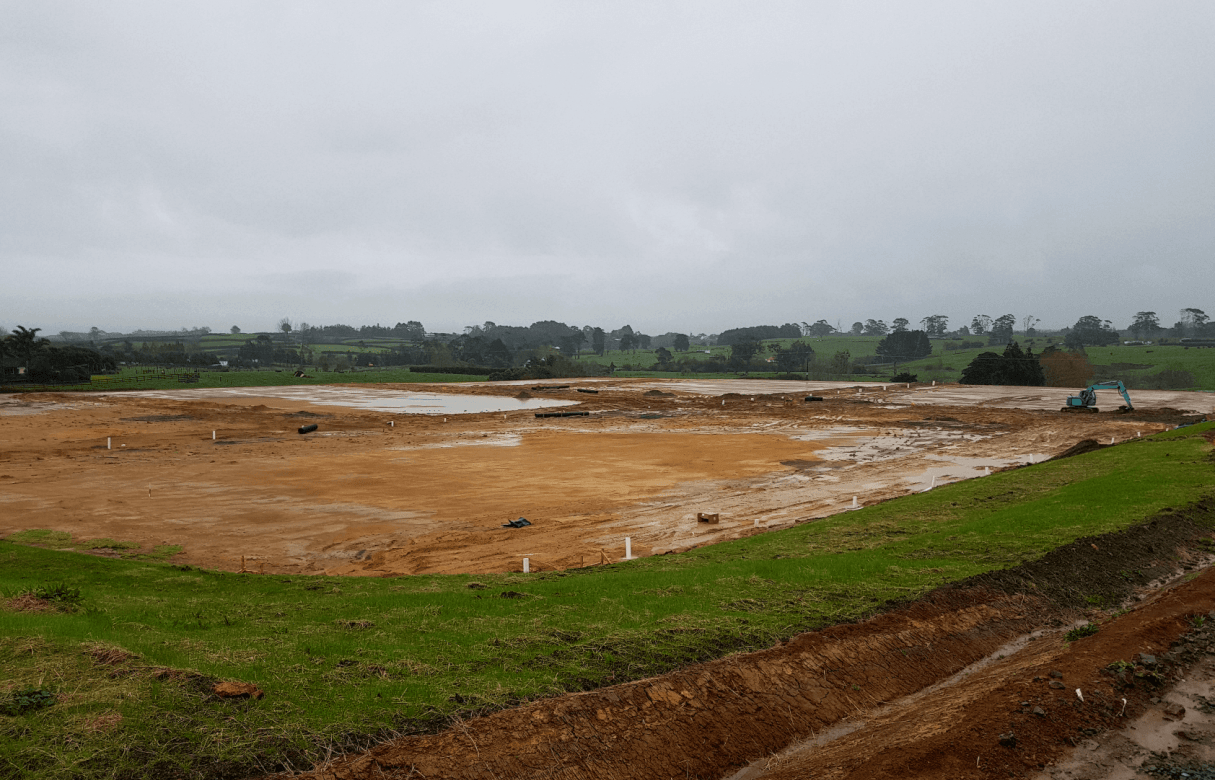
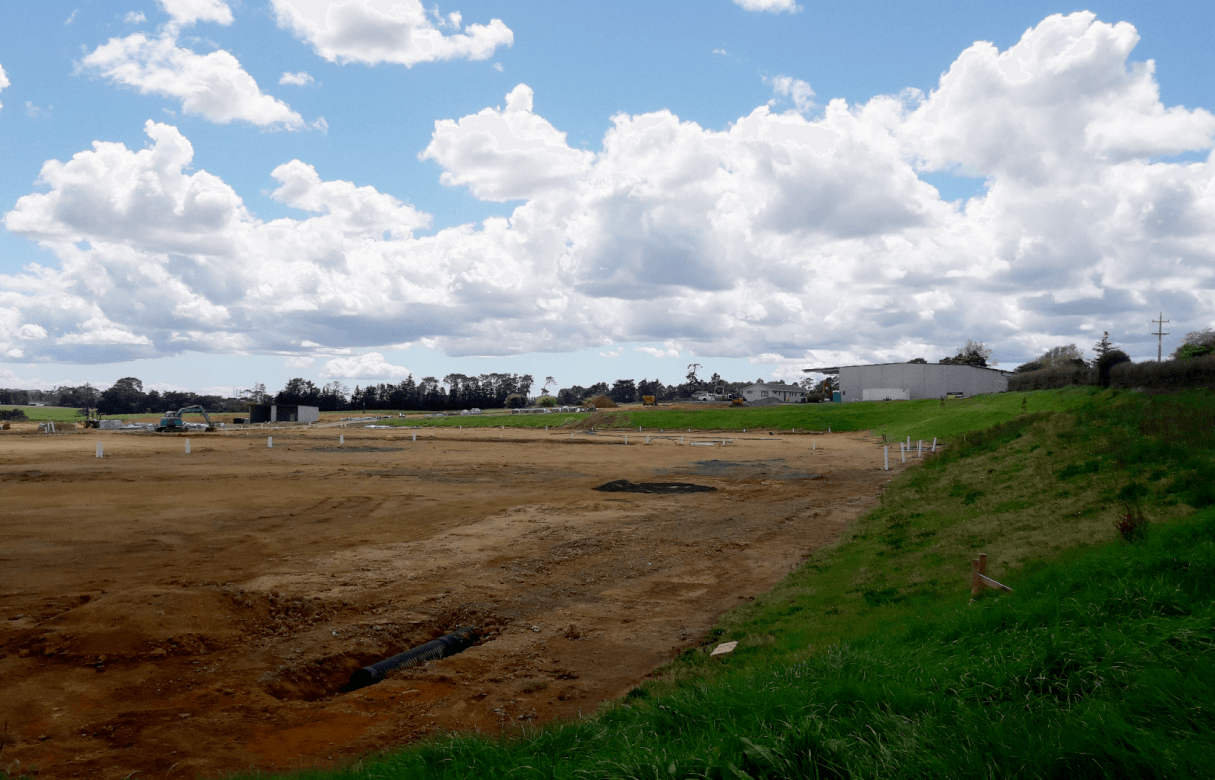
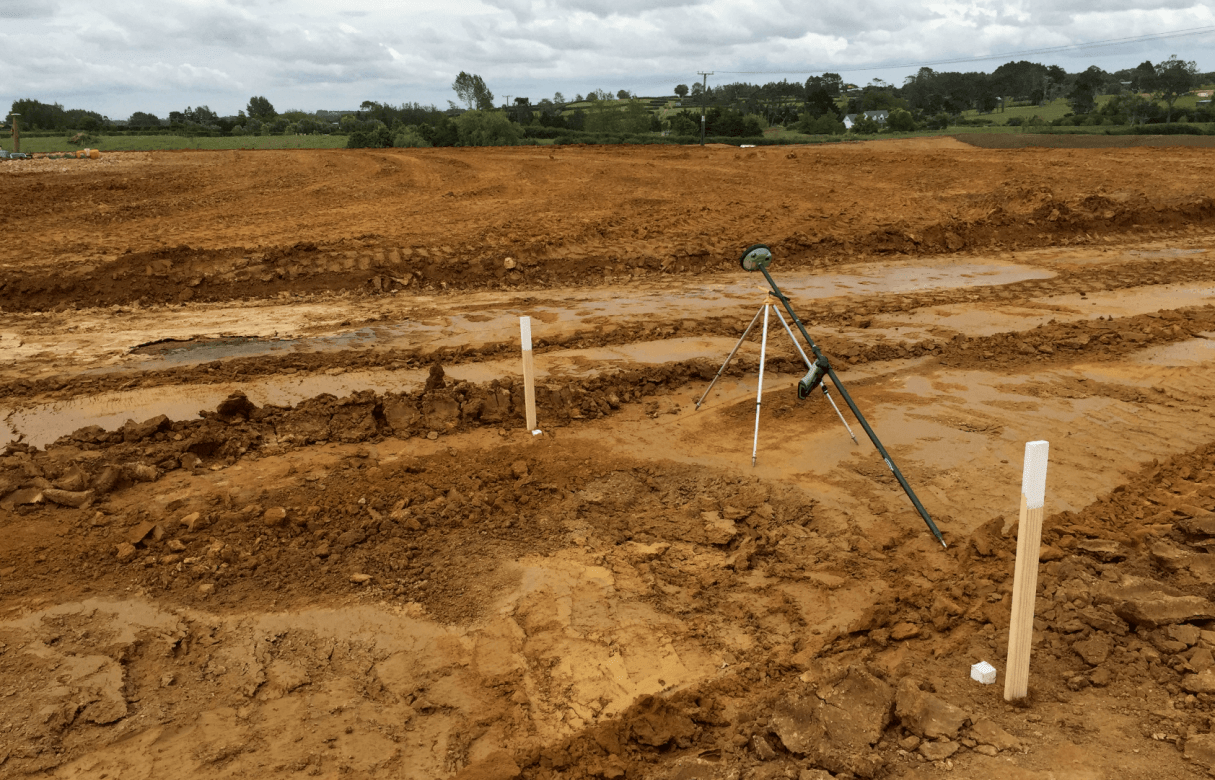
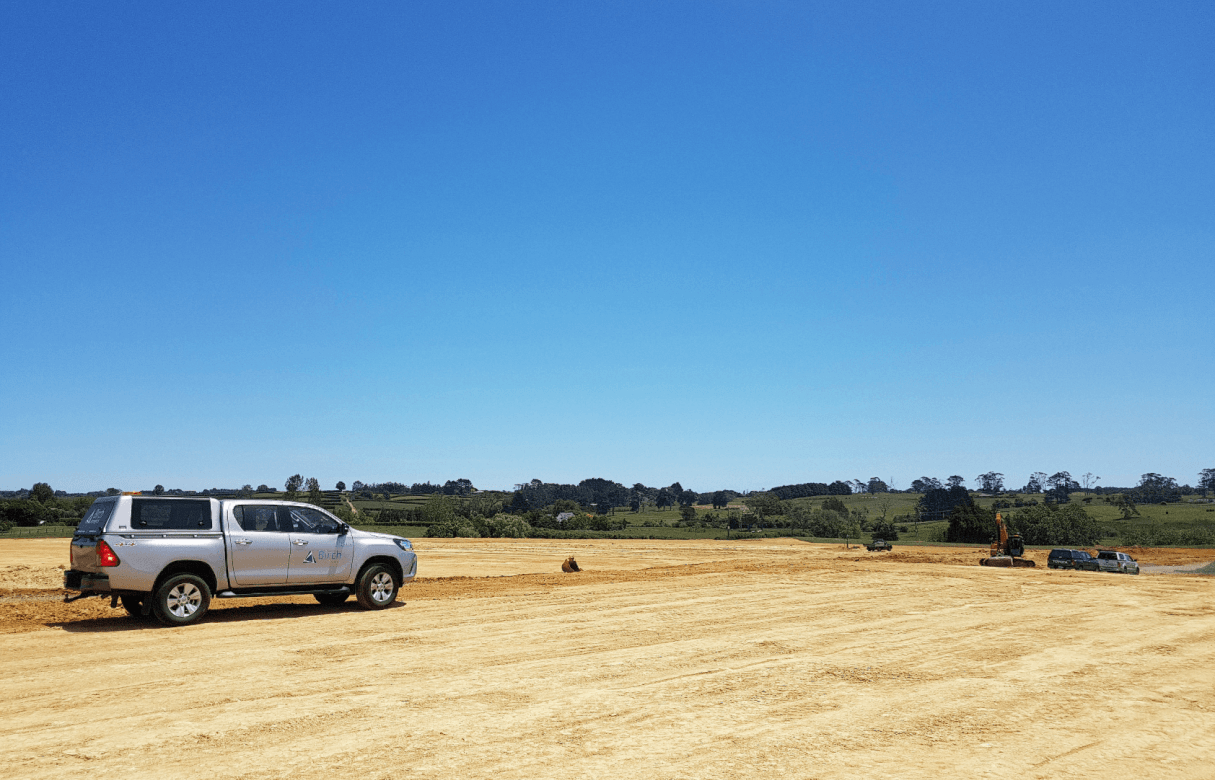
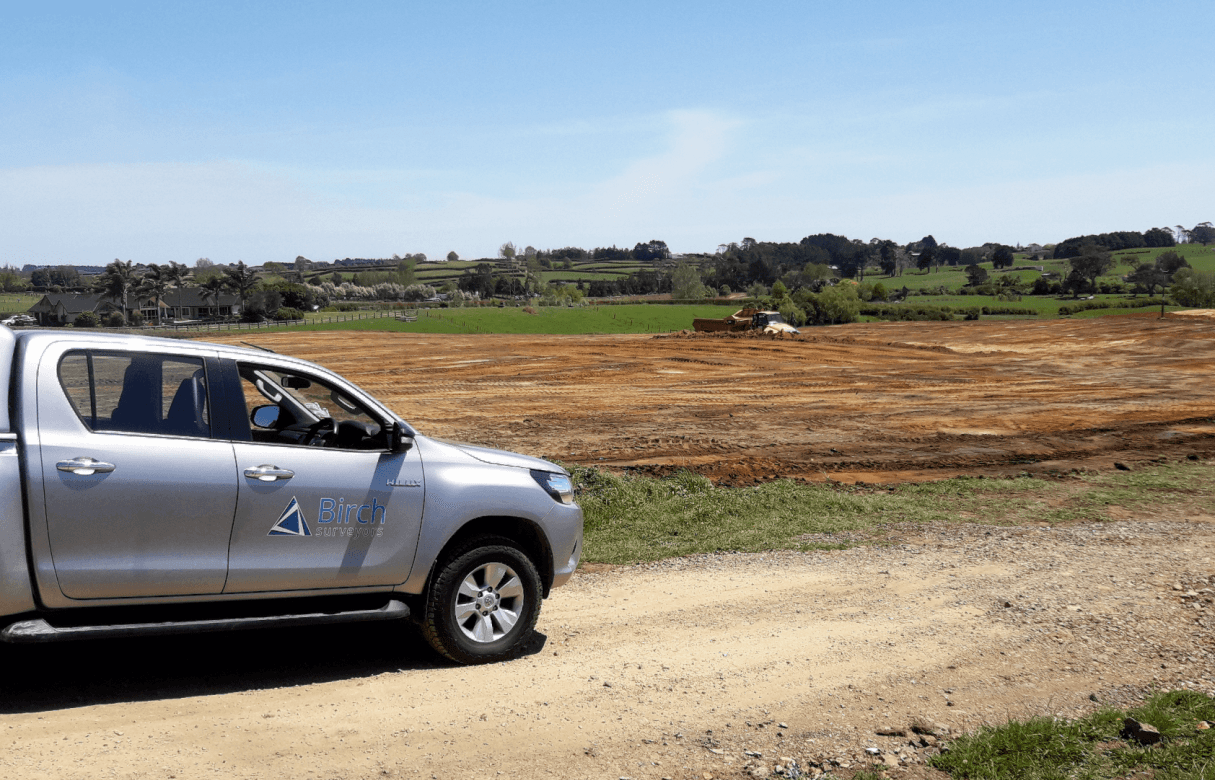
To support the application, Birch engaged with a number of other consultants, including Geotechnical Engineers, Landscape Assessment Consultants, Noise consultants, Hydrology Consultants, and Building Companies, and their reports formed part of the compilation of the application submitted to Council. A signficant component of the consent was a proposal to undertake earthworks which involved 75,000 cubic meters of cut, and 60,000 cubic metres of fill. This was required to establish suitable building platforms.
As assessed by Council, many of the activities were Restricted Discretionary, whilst some were noncomplying. Based on the application, the assessments undertaken, and the accompanying reports, the application based the tests to be considered and approved without notification.
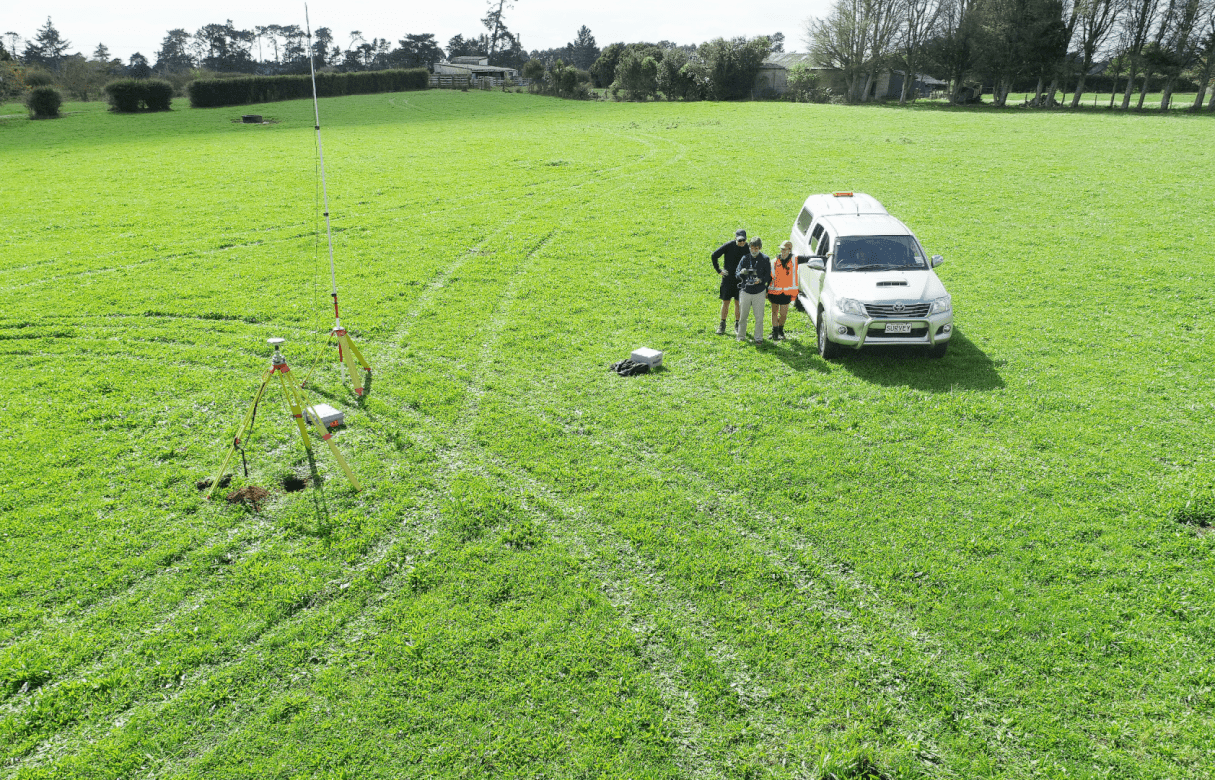
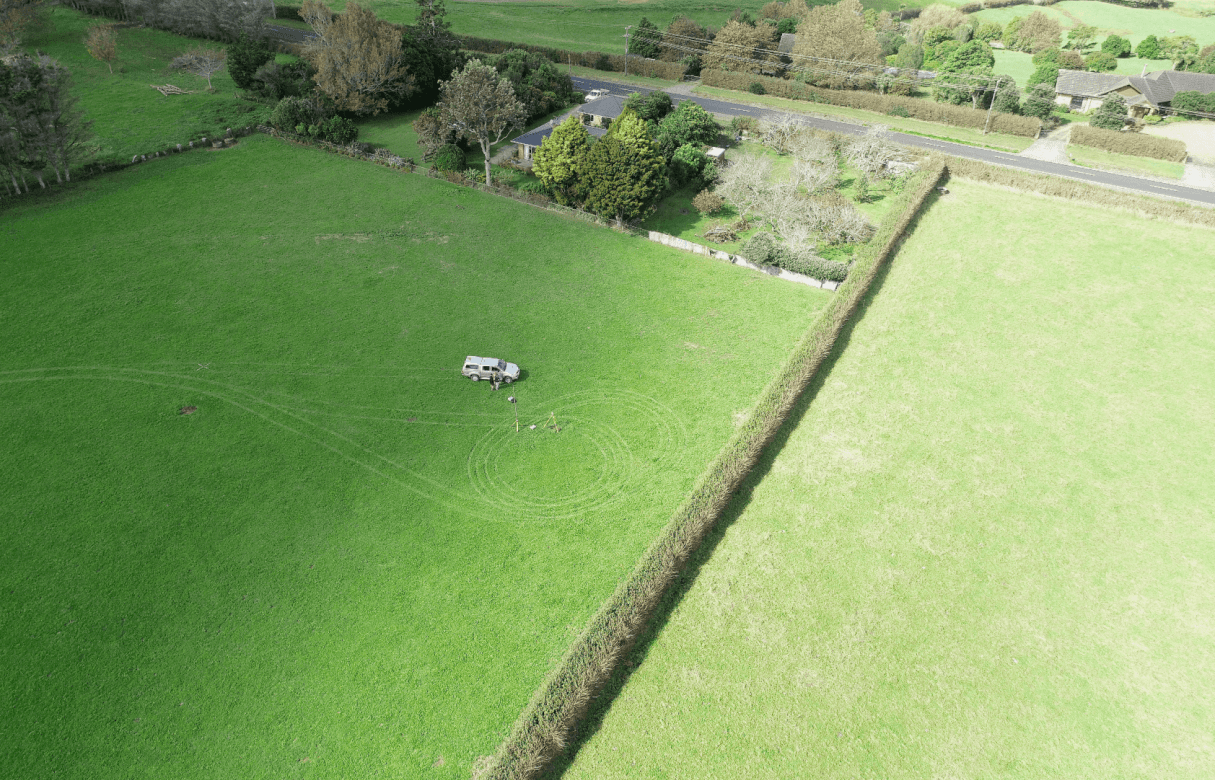
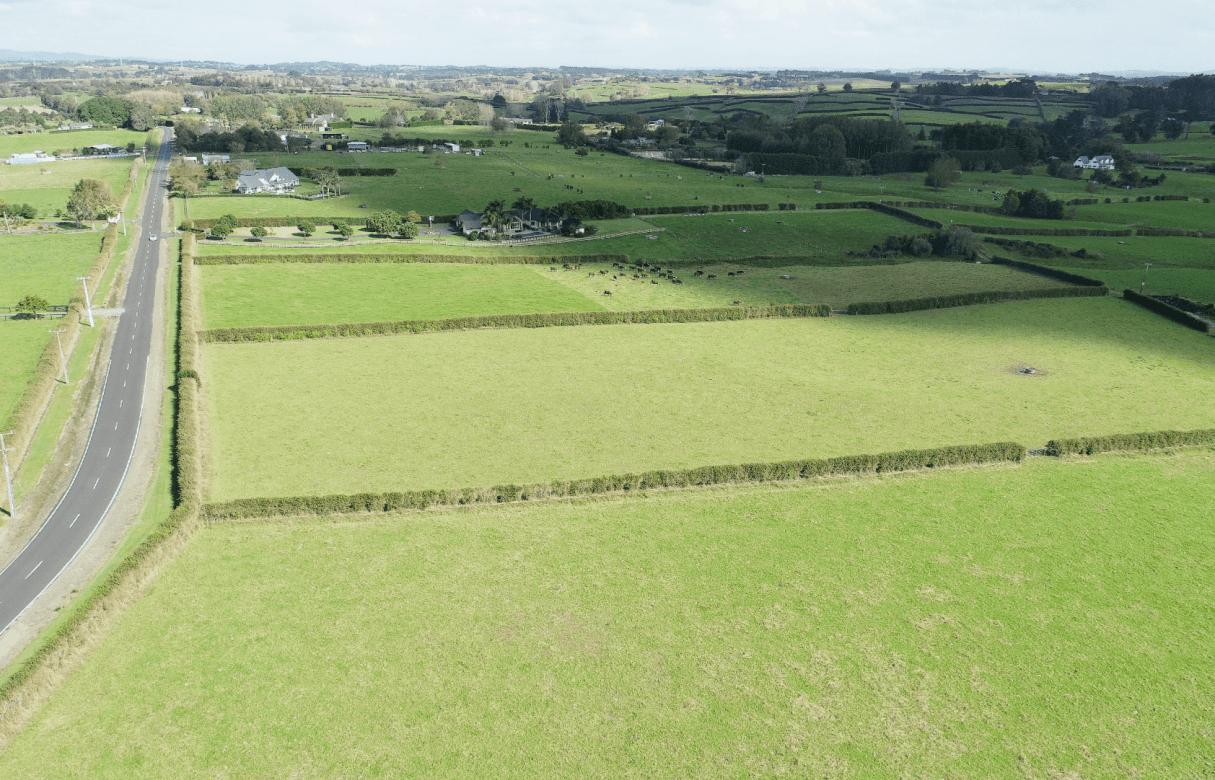
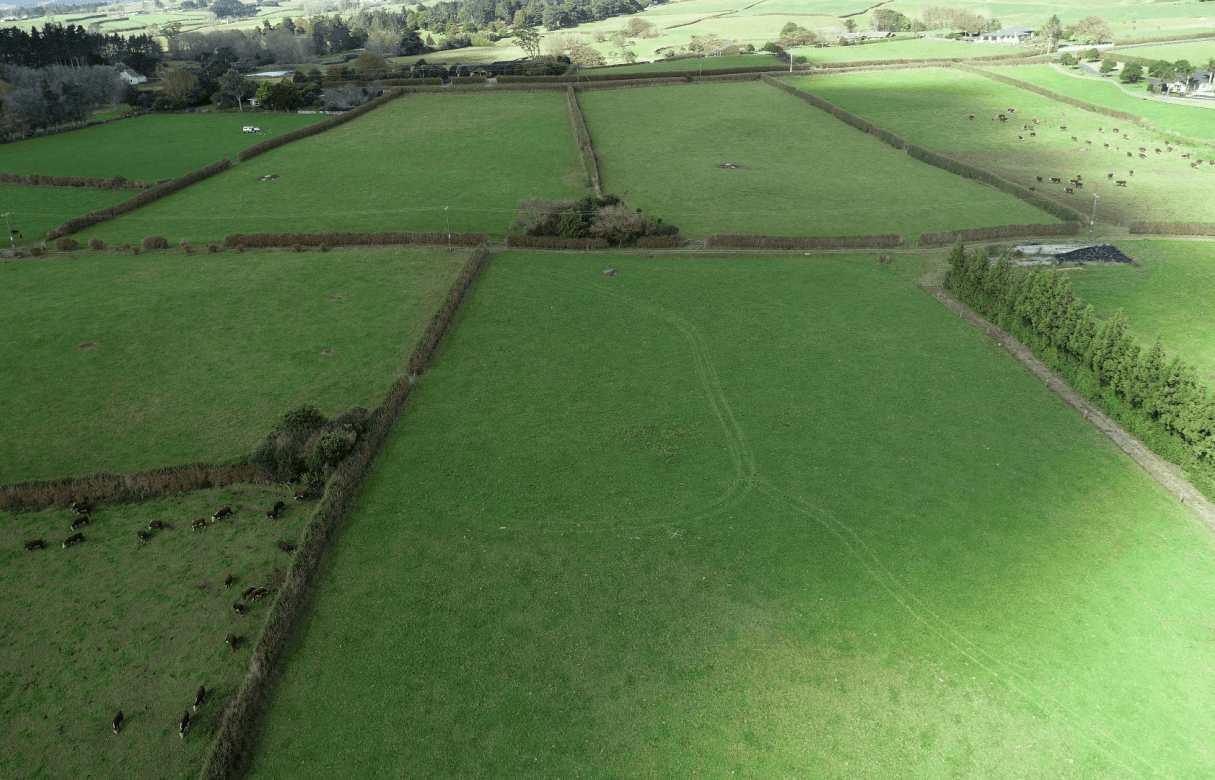
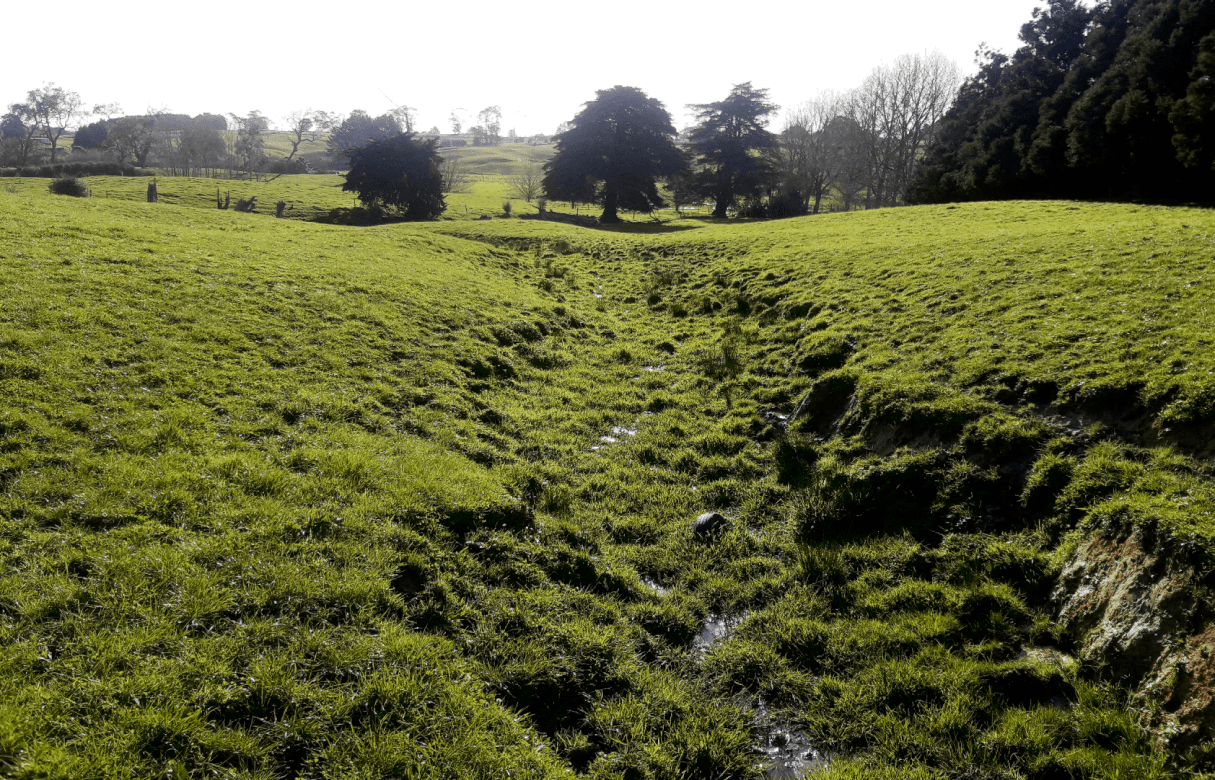
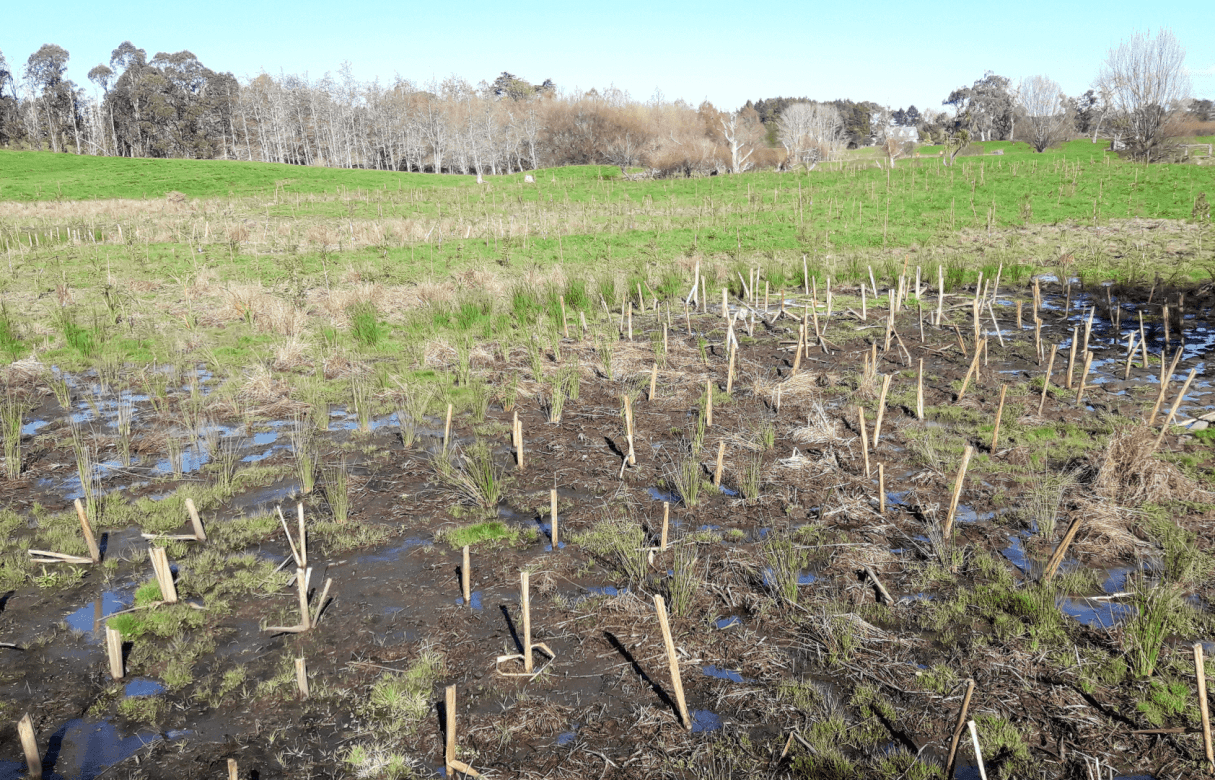
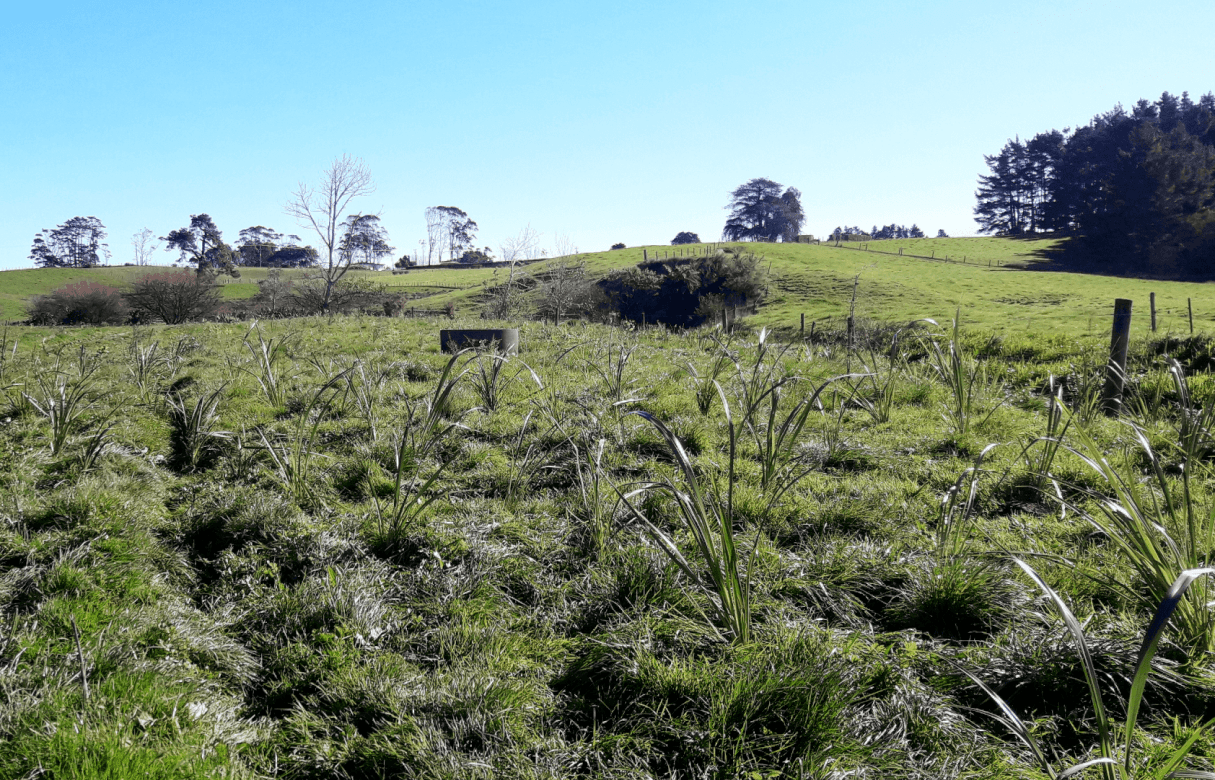
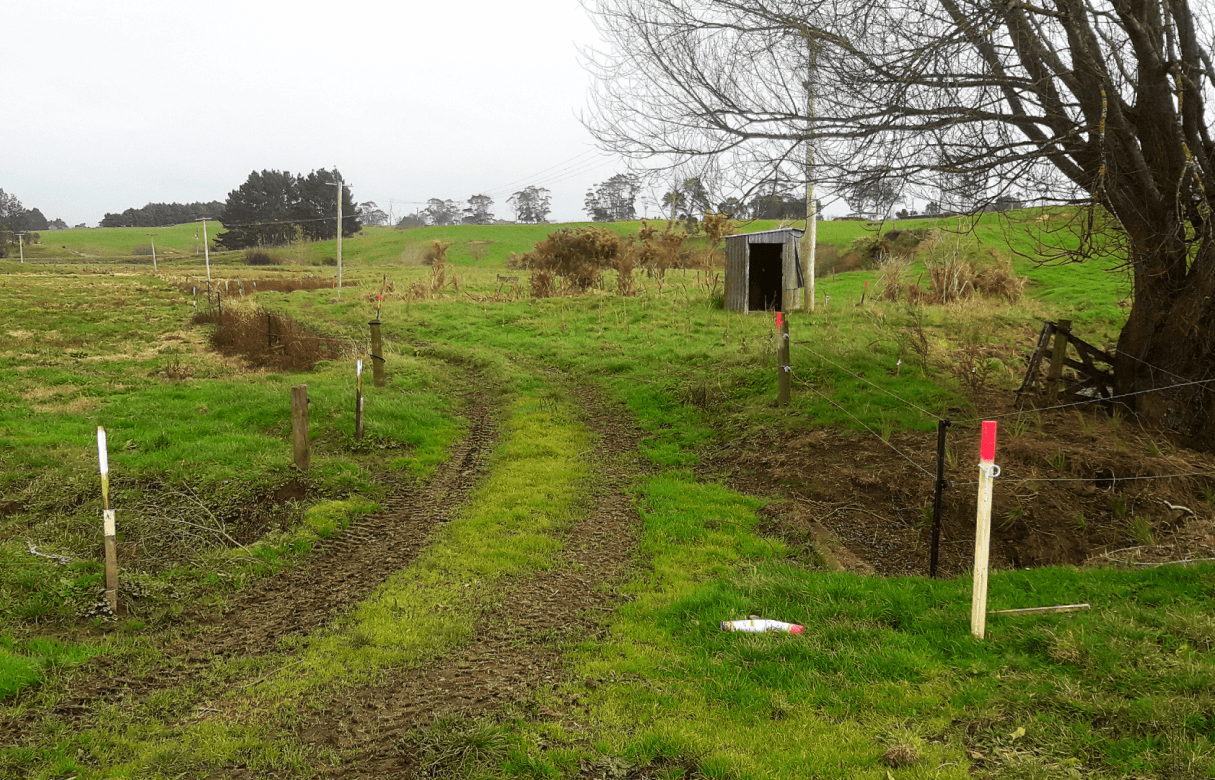
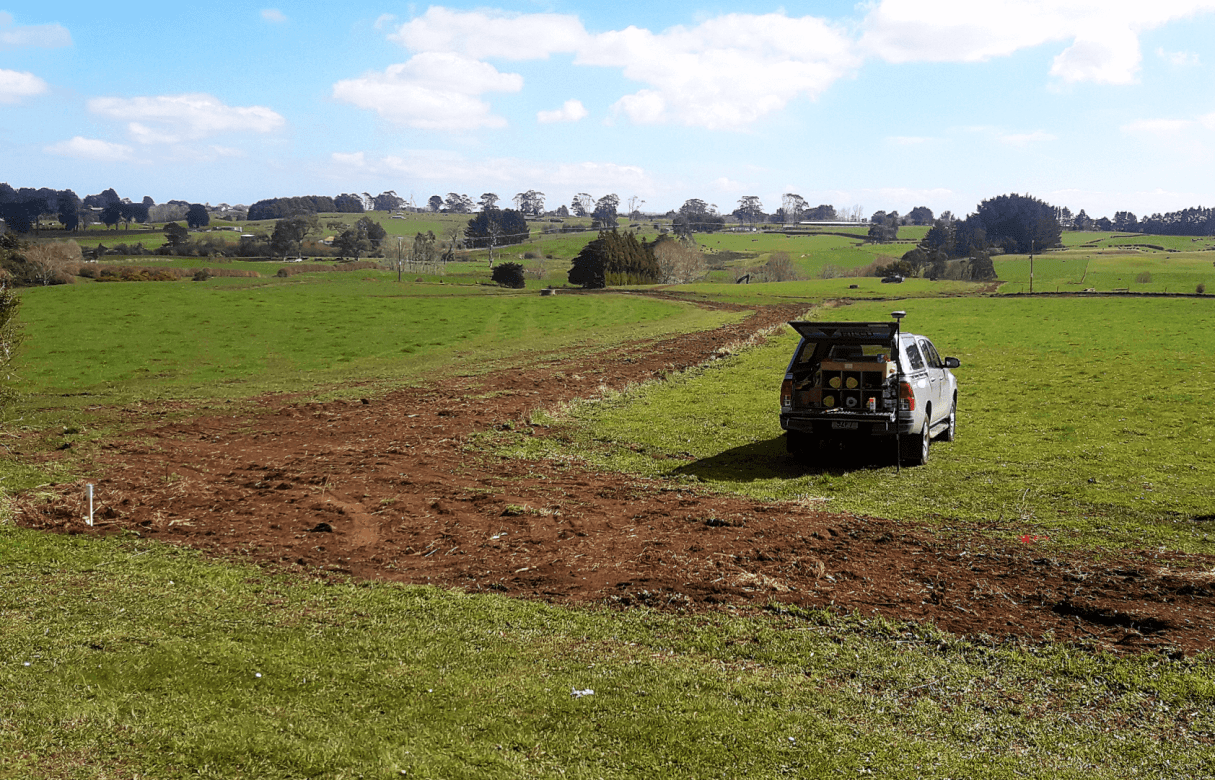
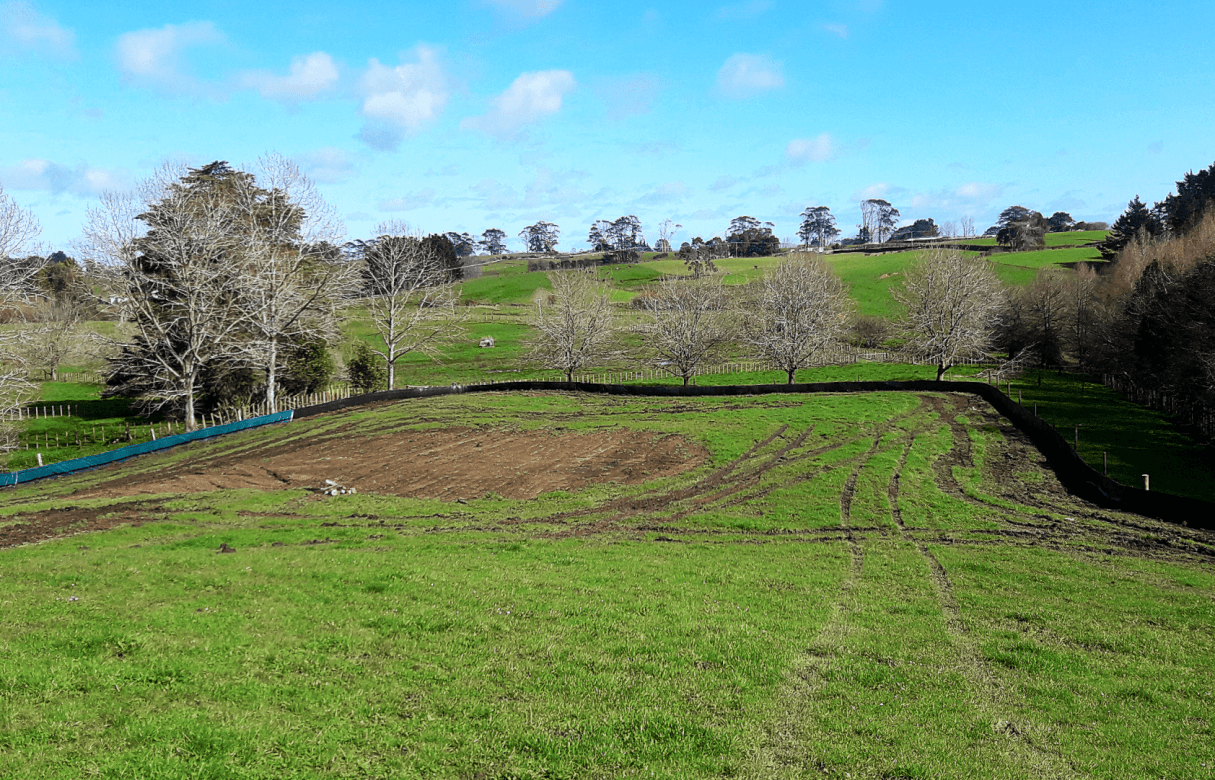
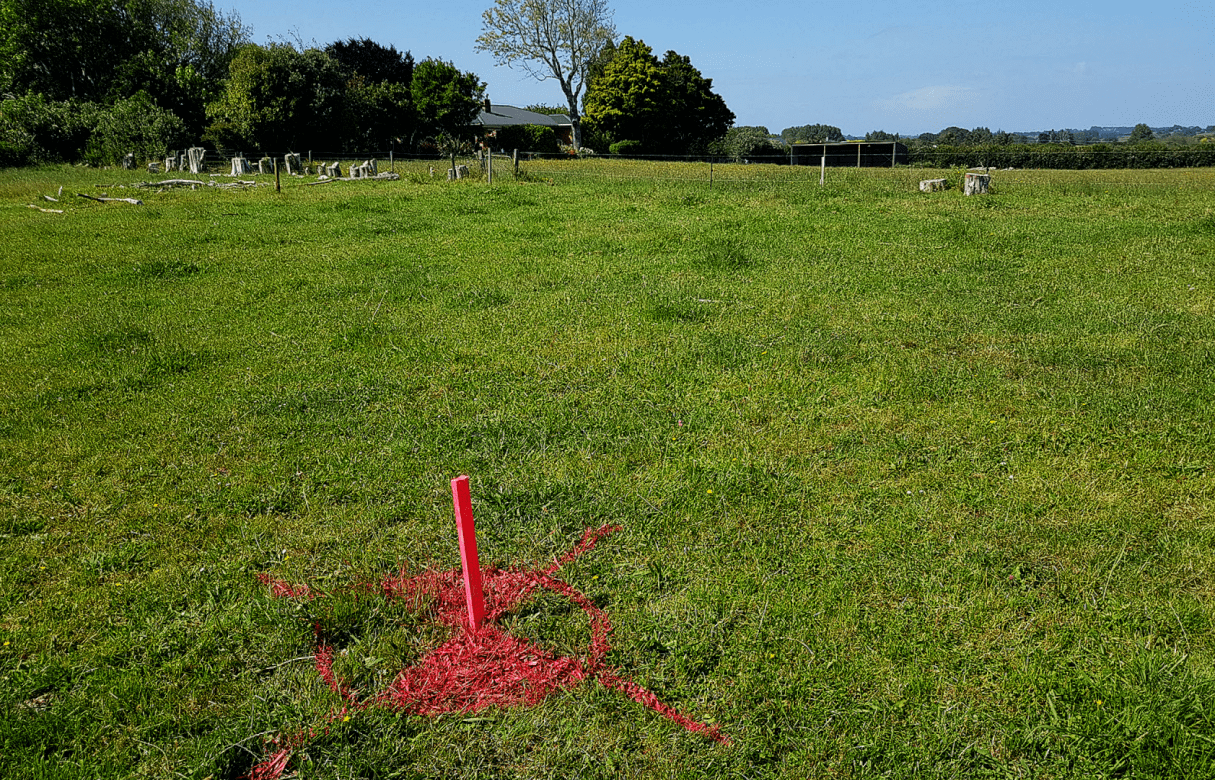
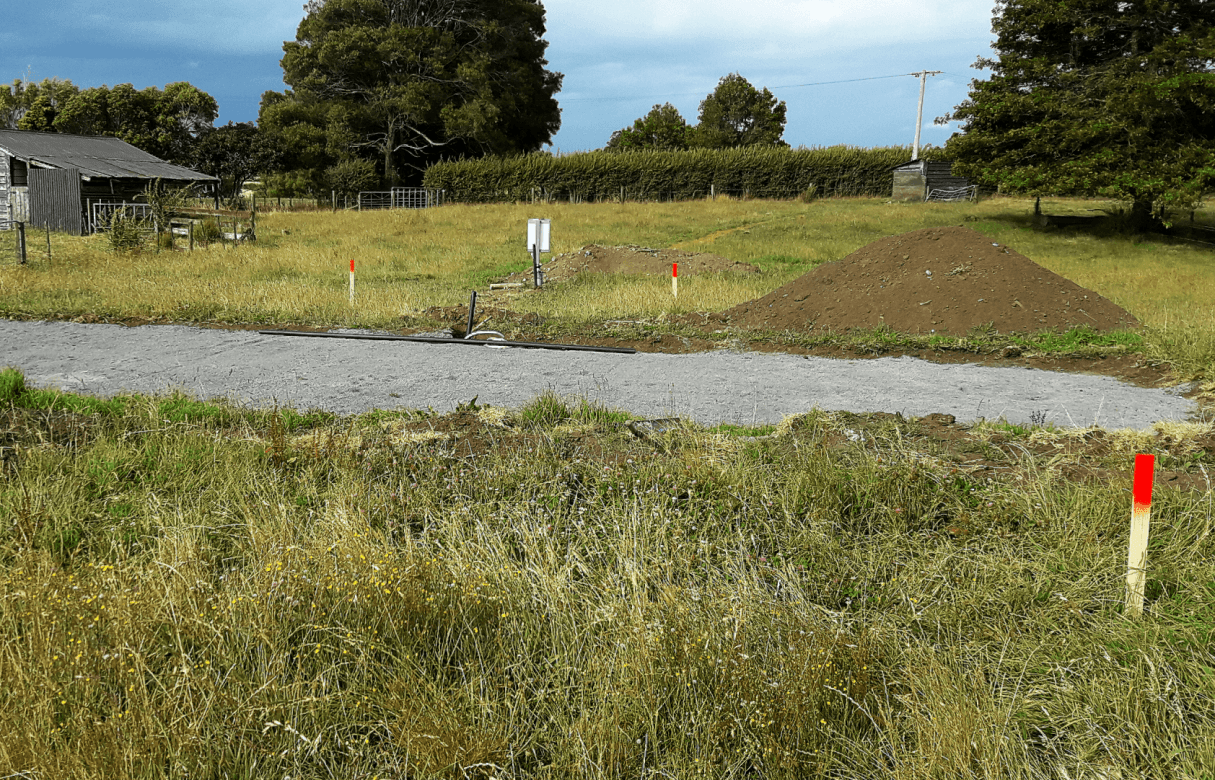
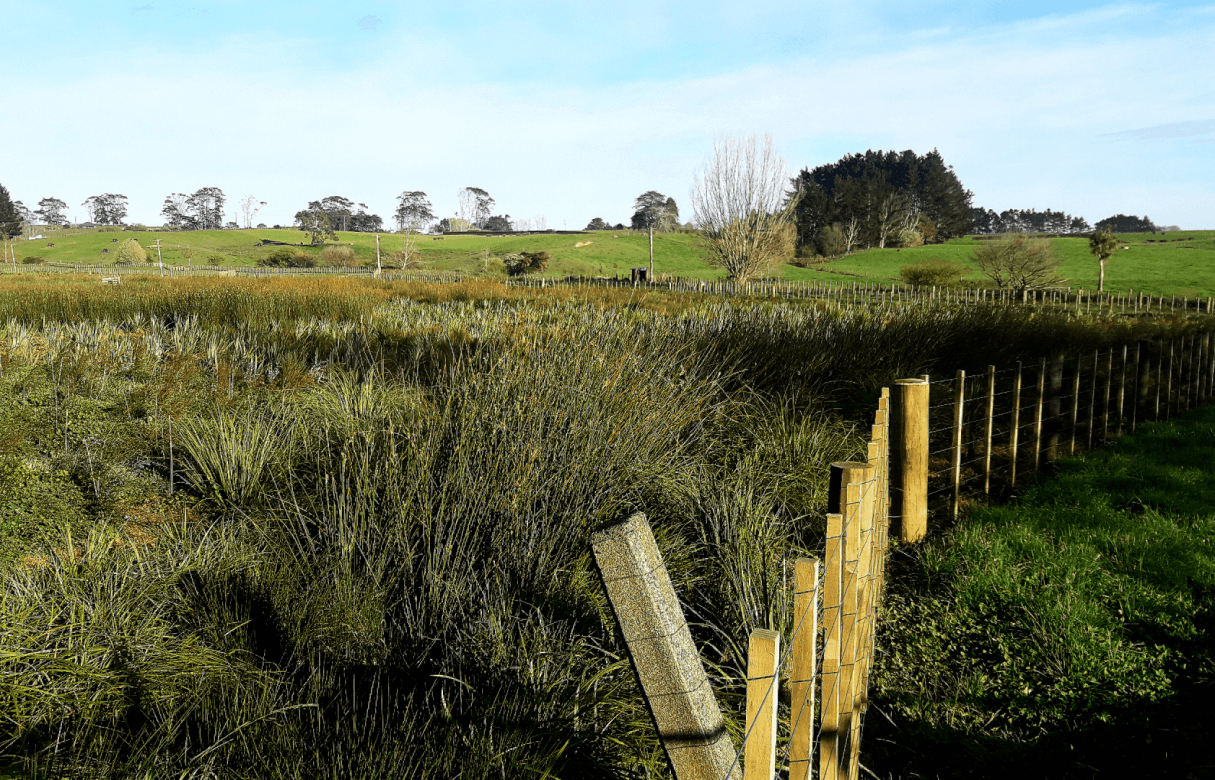
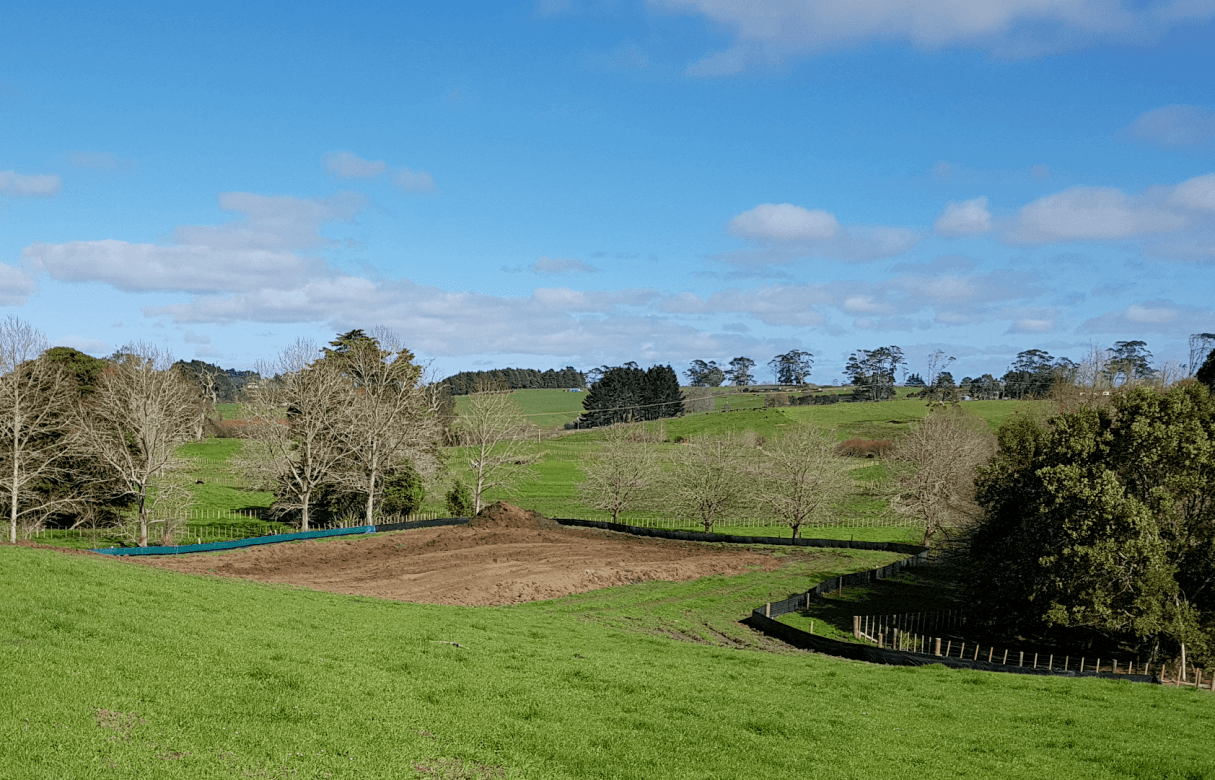
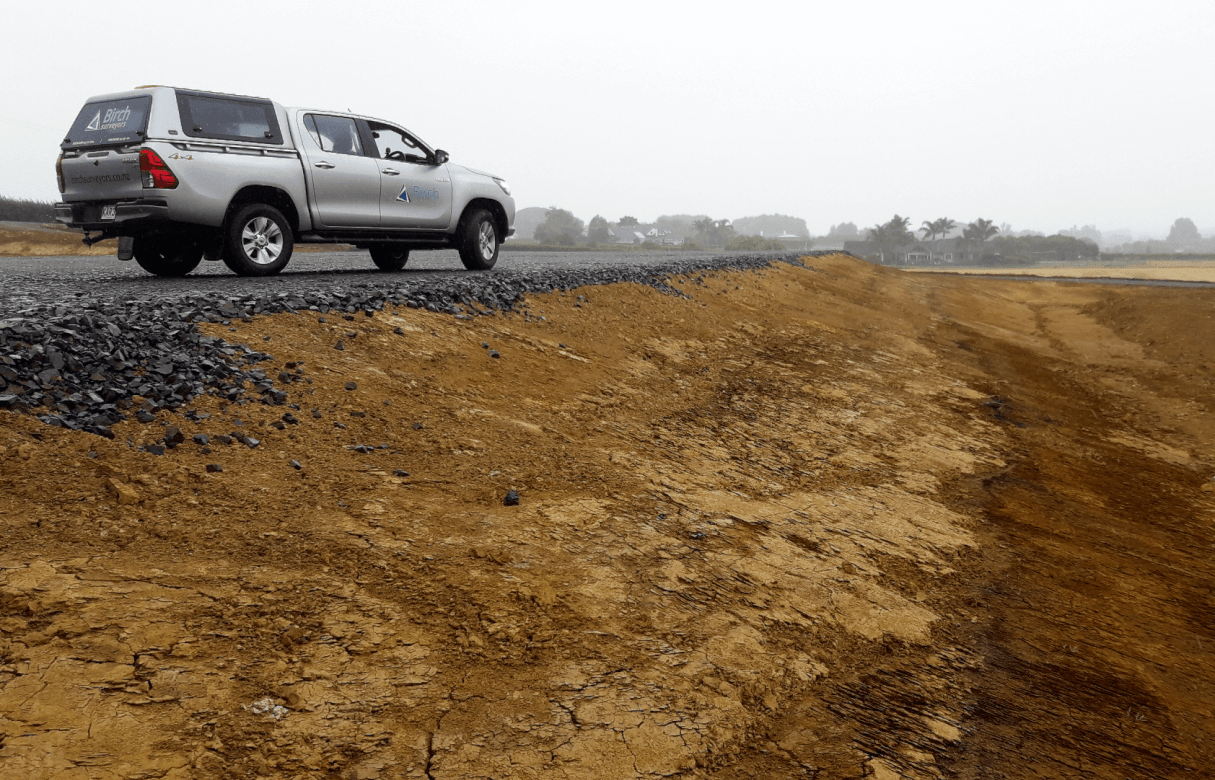
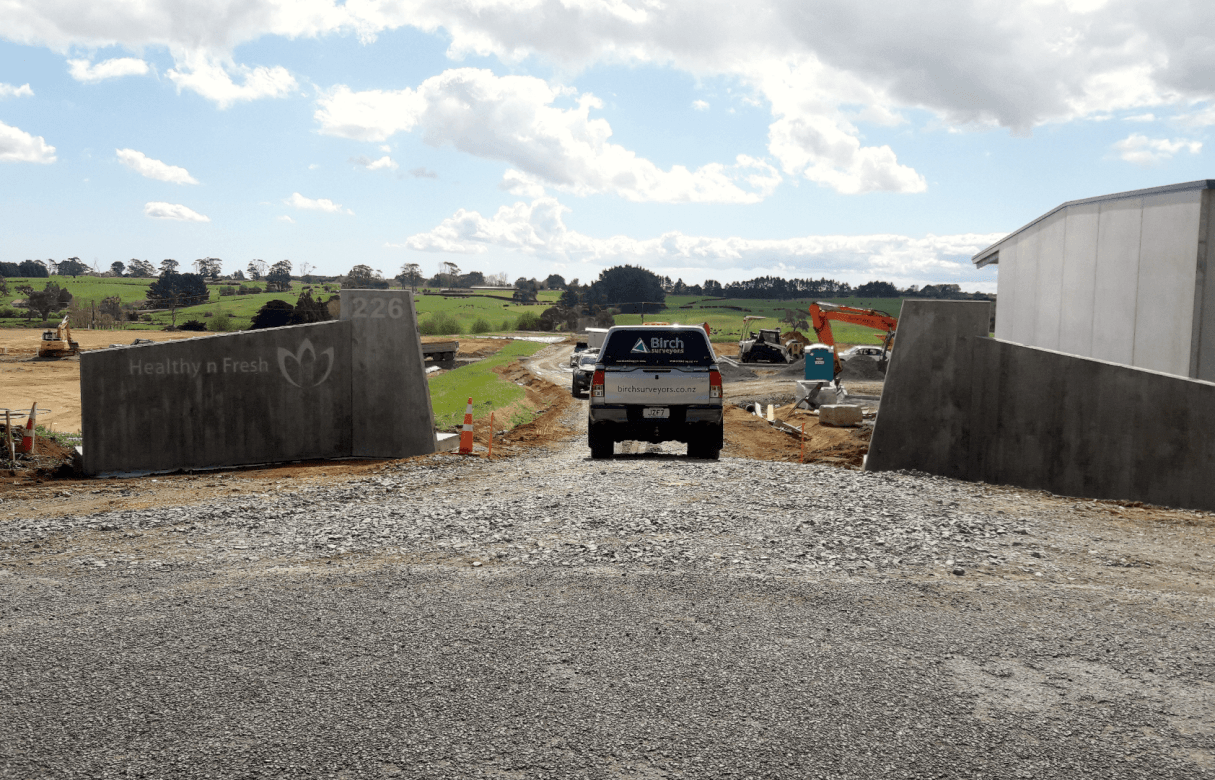
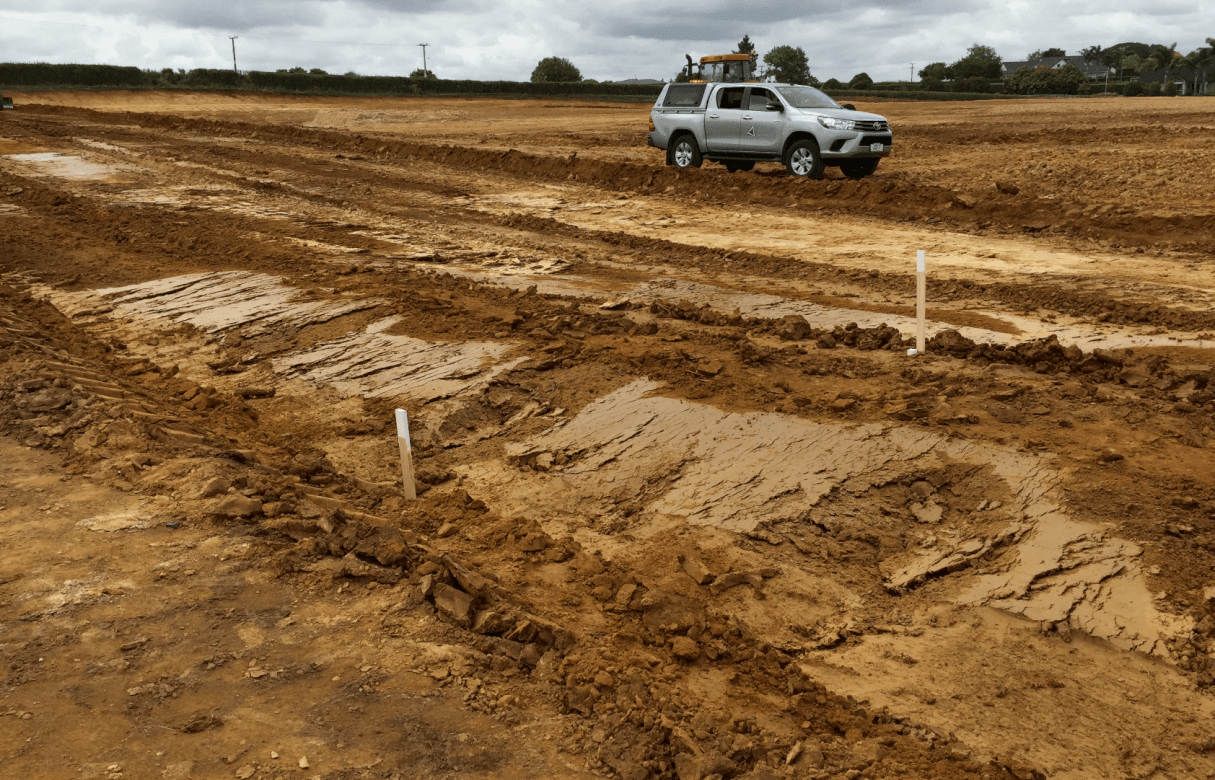
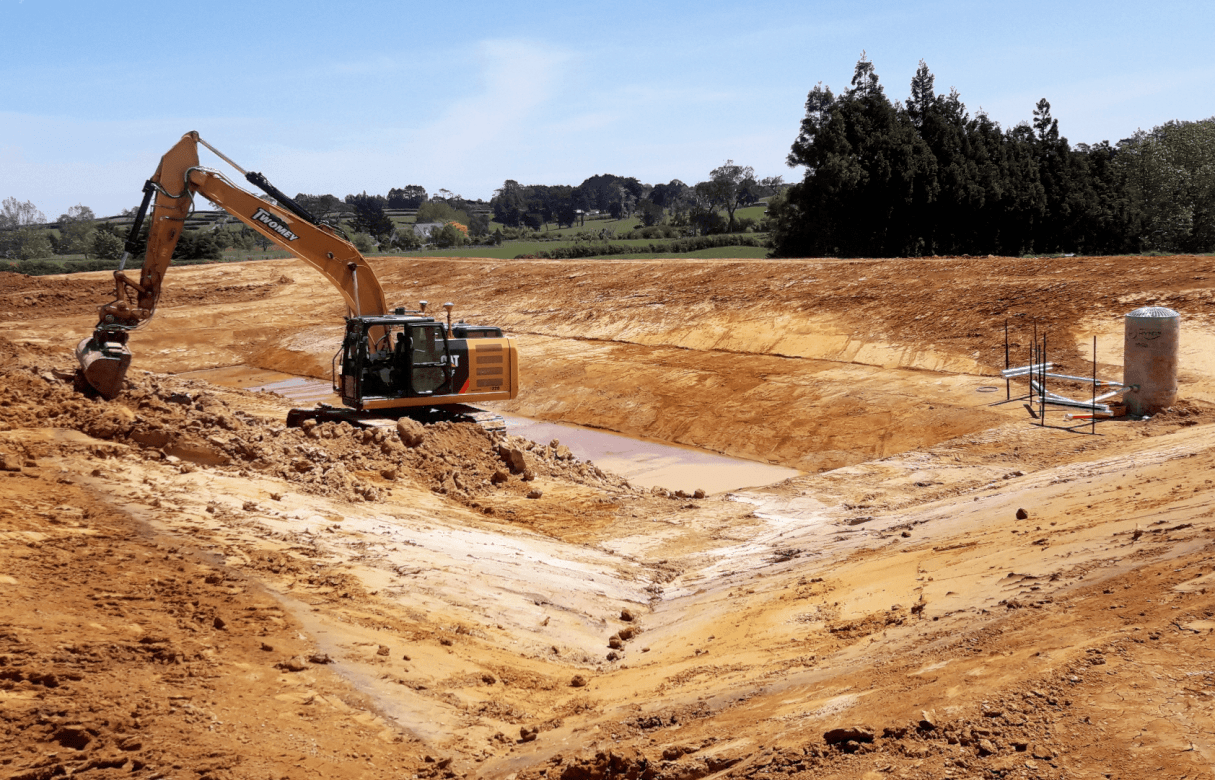
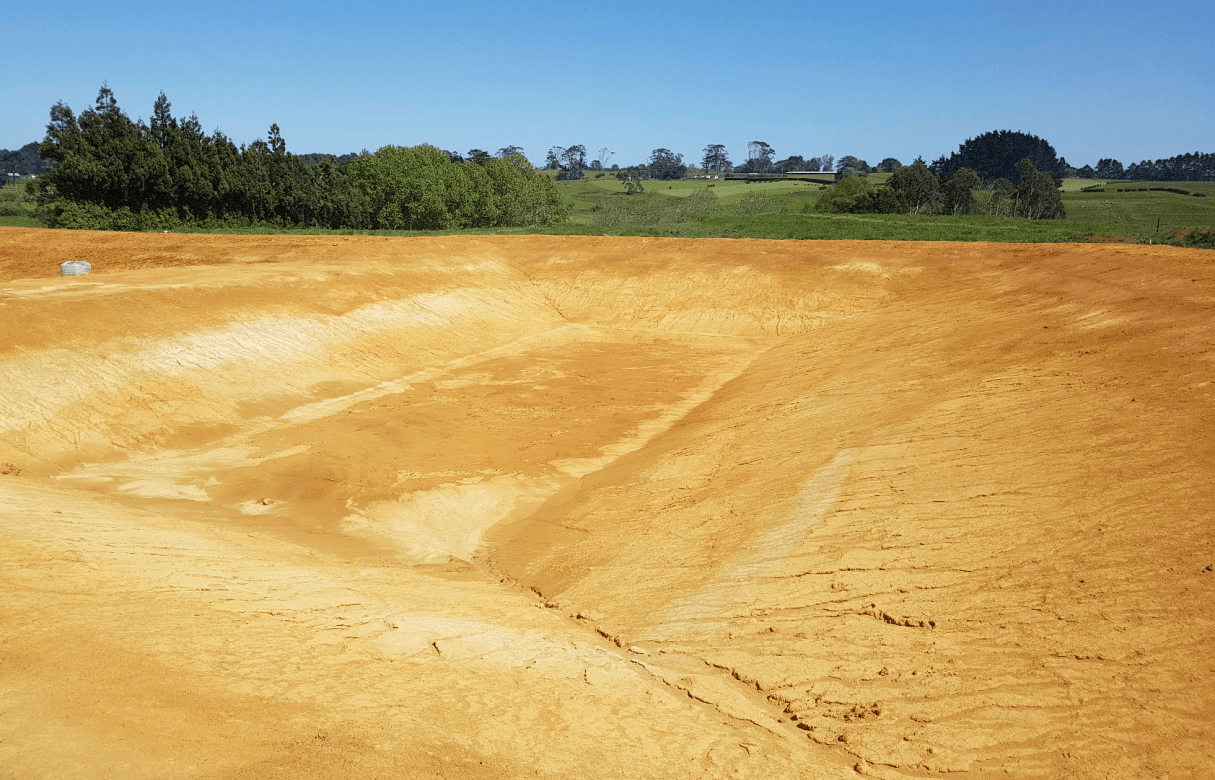
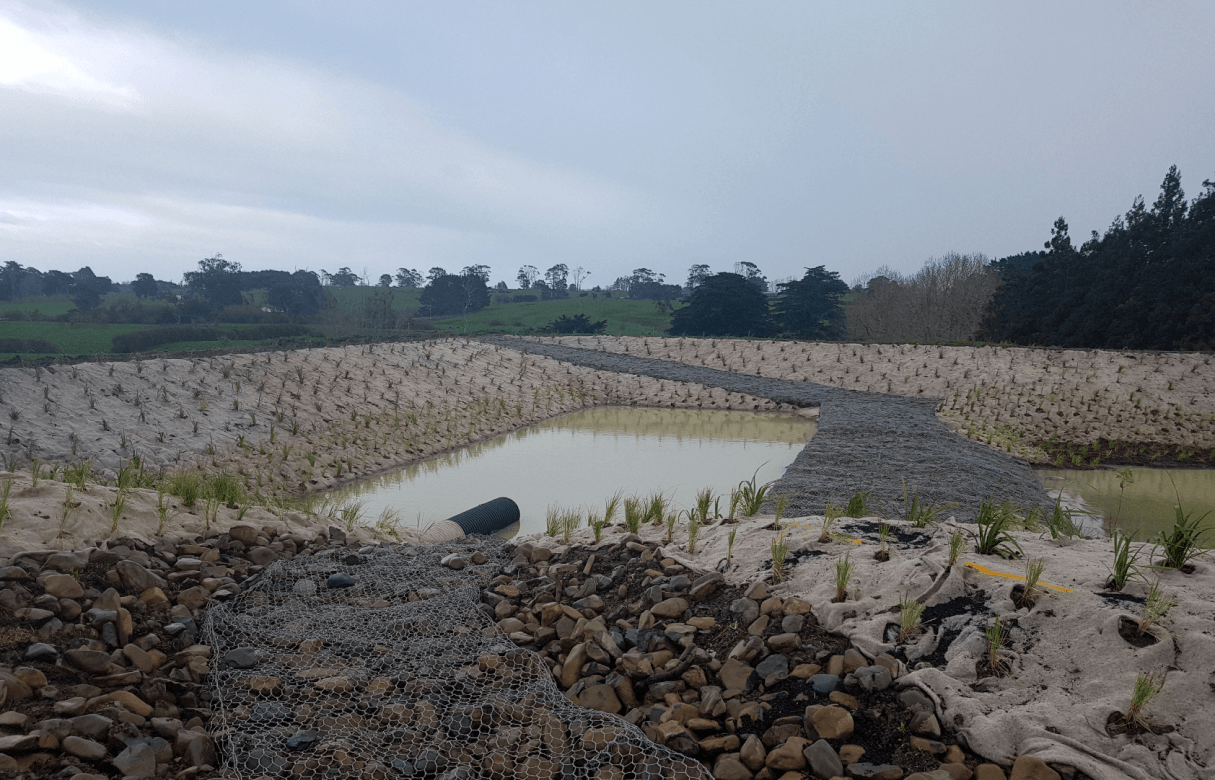
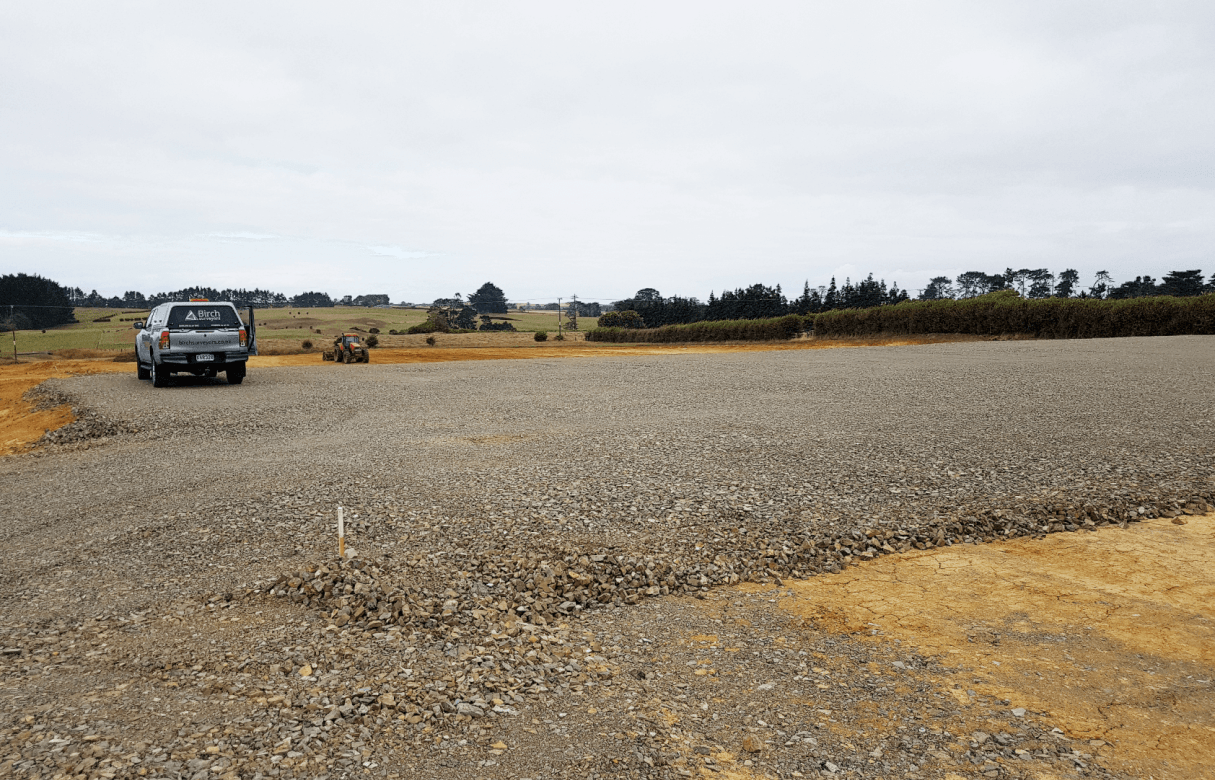
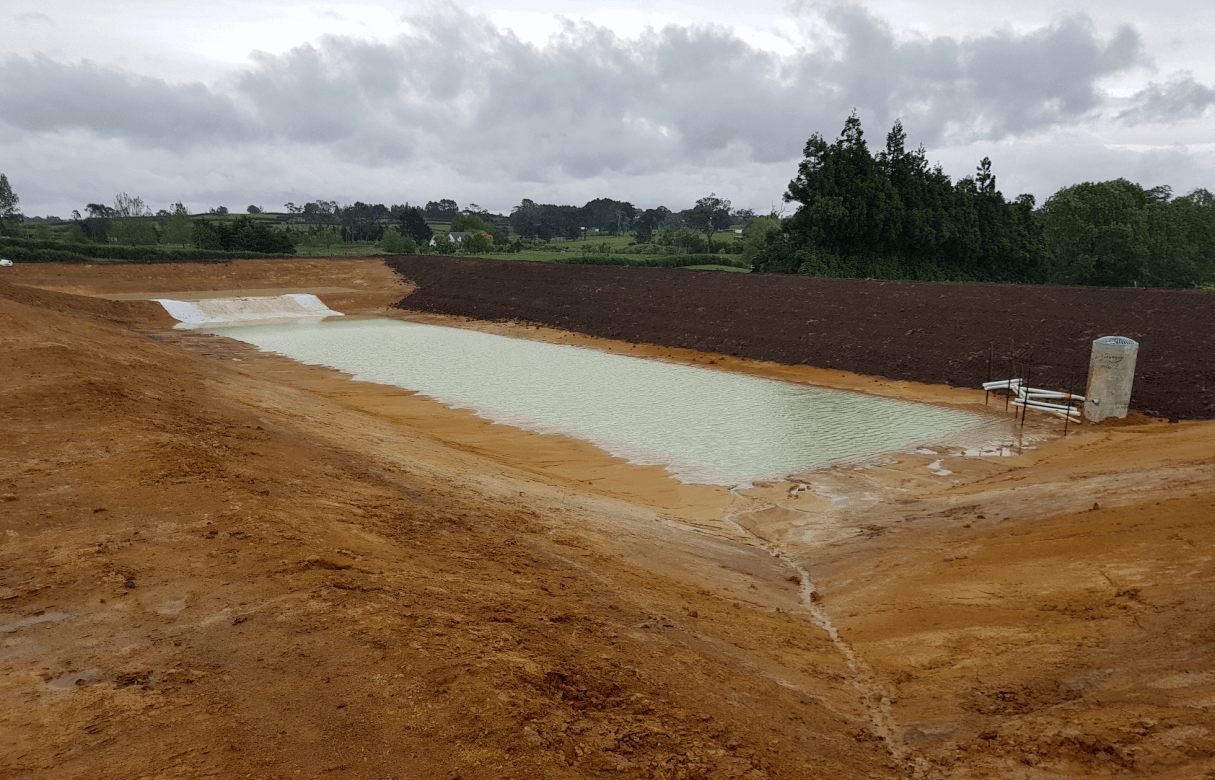
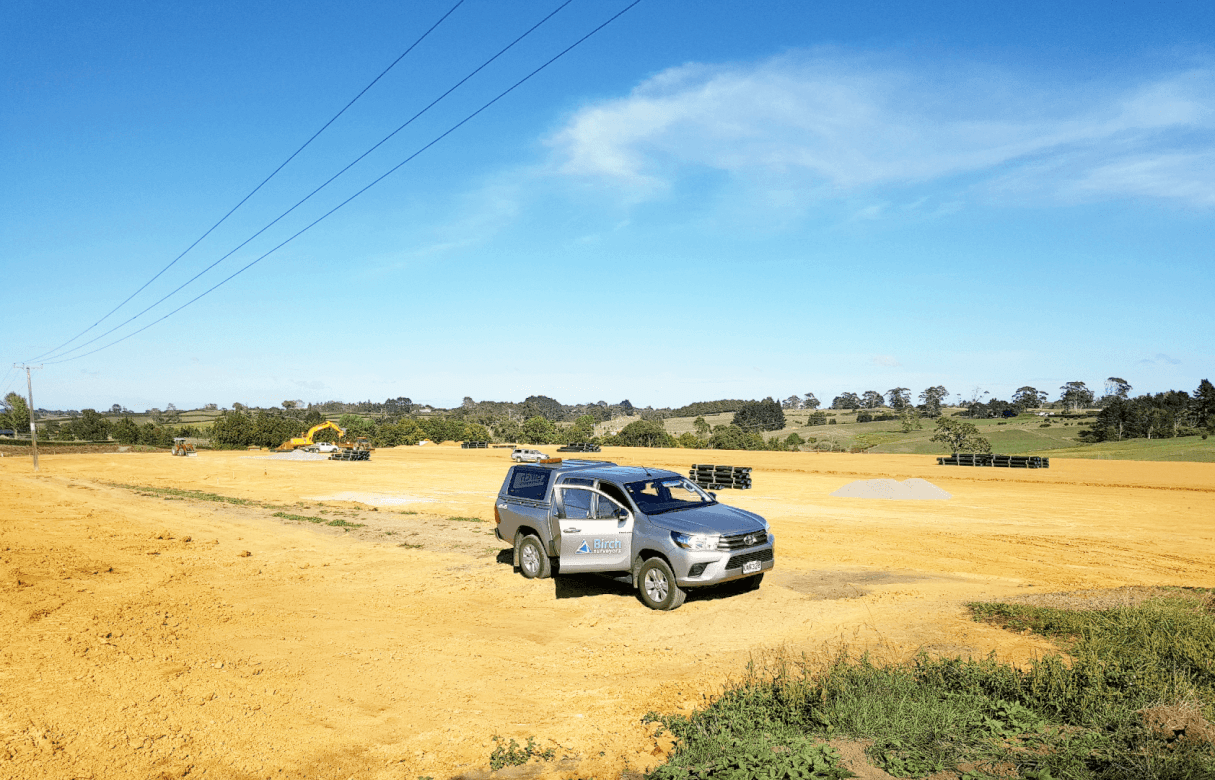
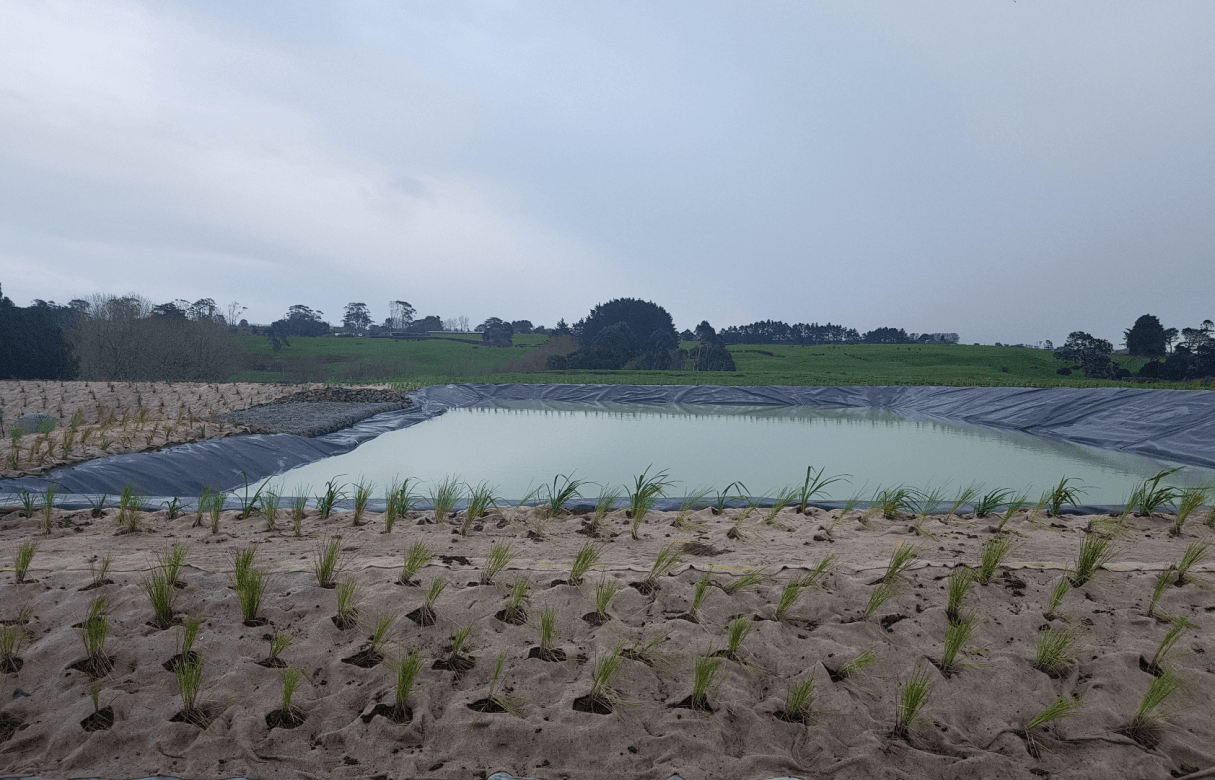
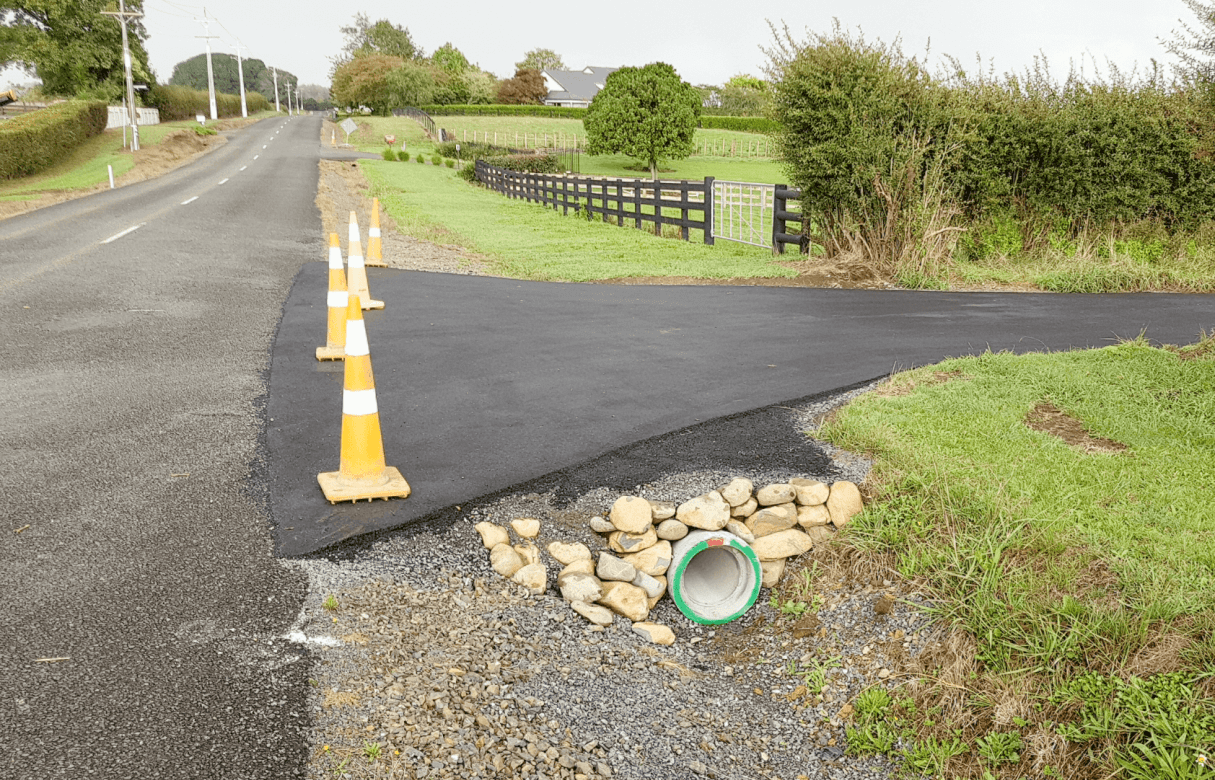
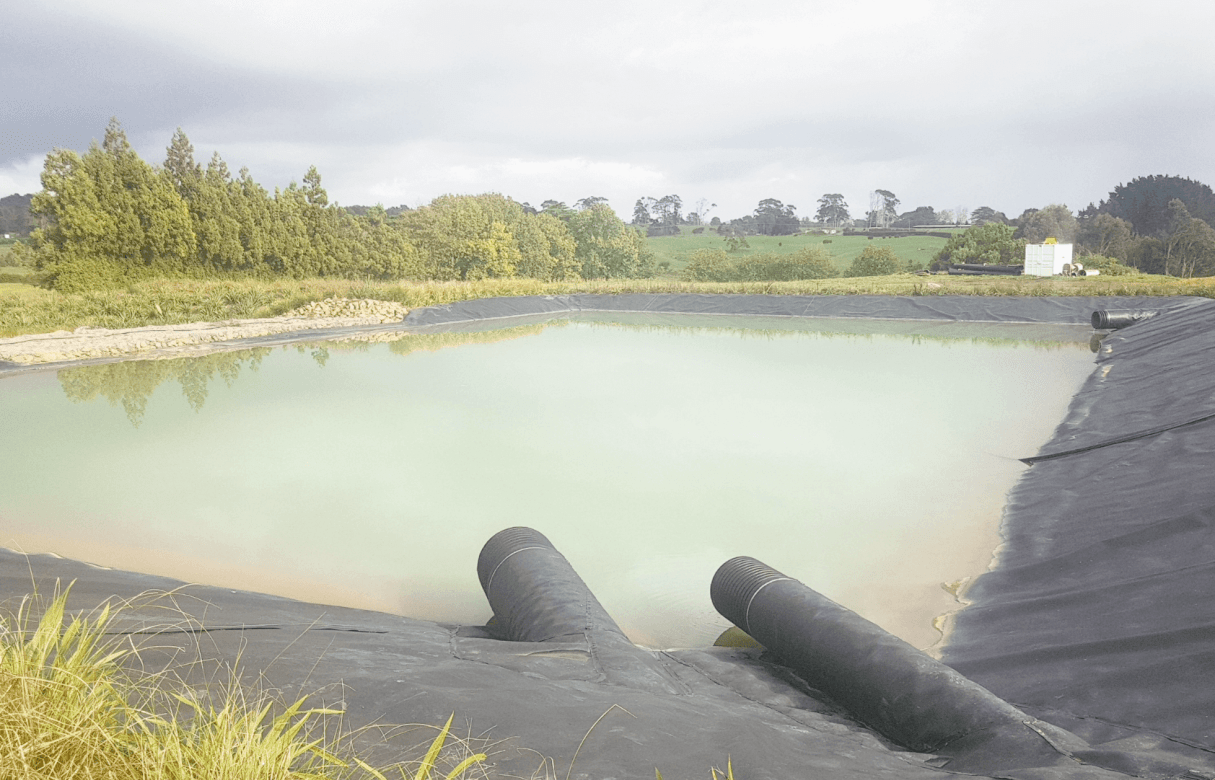
The accompanying photos show many of the stages in the development of the site, including the initial drone footage which established a sound topographical survey of the site
Frequently Asked Questions
What approvals may be needed for a large-scale hydroponic operation?
A large hydroponic development may require multiple land use and subdivision consents covering activities such as water take, stormwater discharge, earthworks, nutrient discharge, worker accommodation, and associated buildings.
Why can a hydroponic operation require more consents than greenhouse construction?
Although certain structures may be permitted within a zone, the overall scale and supporting activities of an intensive hydroponic operation can trigger additional planning and environmental consent requirements.
Why are large-scale earthworks required for hydroponic developments?
Significant earthworks may be necessary to create suitable, level building platforms for hydroponic structures and associated facilities, particularly on properties with varying natural ground levels.
What technical reports can support a complex land use consent application?
Depending on the proposal, supporting reports may cover geotechnical conditions, landscape effects, noise, hydrology, drainage, and other technical matters relevant to assessing the development’s environmental effects.
How can drone surveying support a large rural development?
Drone imagery can provide detailed site information and help establish an accurate understanding of existing topography, giving planners and engineers useful data for designing and assessing large-scale development works.
Can multiple resource consents be assessed as part of one development?
Yes. A complex development may involve several related consent applications for different activities, allowing each planning and environmental effect to be assessed as part of the overall development proposal.
