Projects
 Back to Projects list
Scope of Work:
Achieve Council approval for existing and new buildings to become a commercial storage facility to be used by the public
Completion:
3rd February 2023
Locality:
Hamilton Branch
Key person:
Angina Lal & Nico Siemelink
Land Use for Non-Complying Activity
Land Use for Commercial Storage Sheds
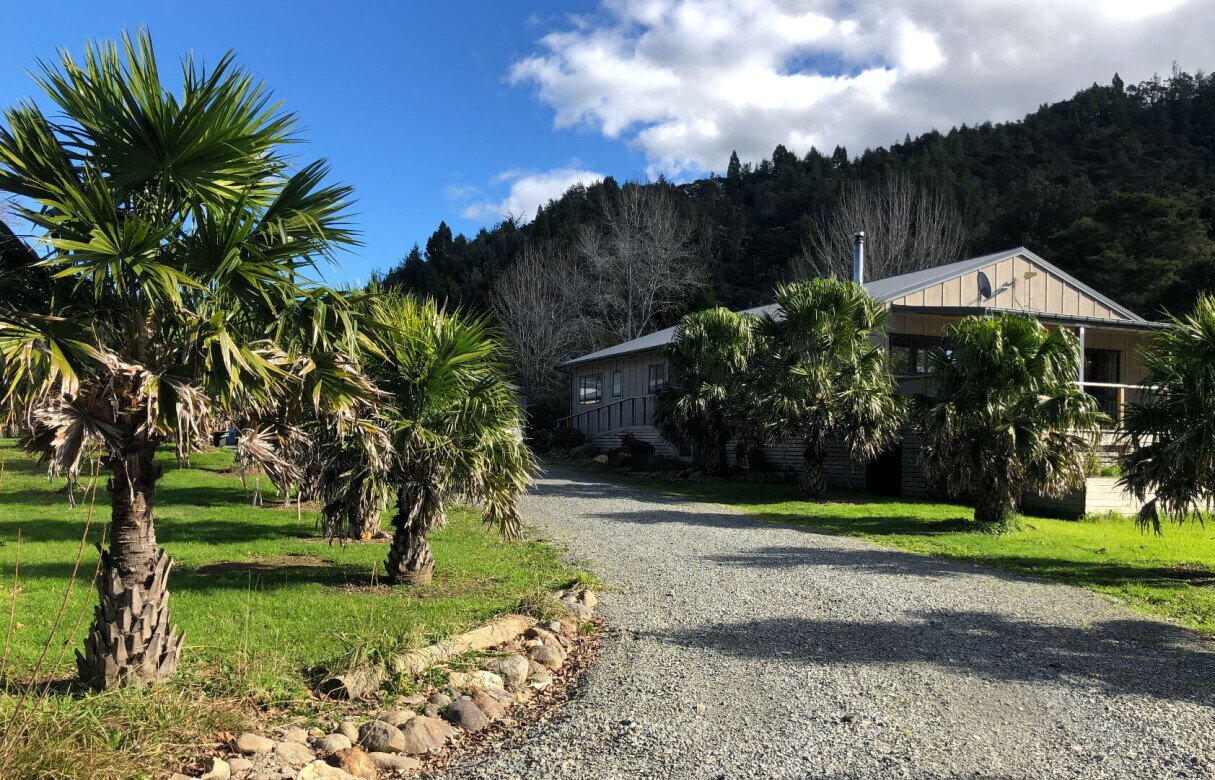
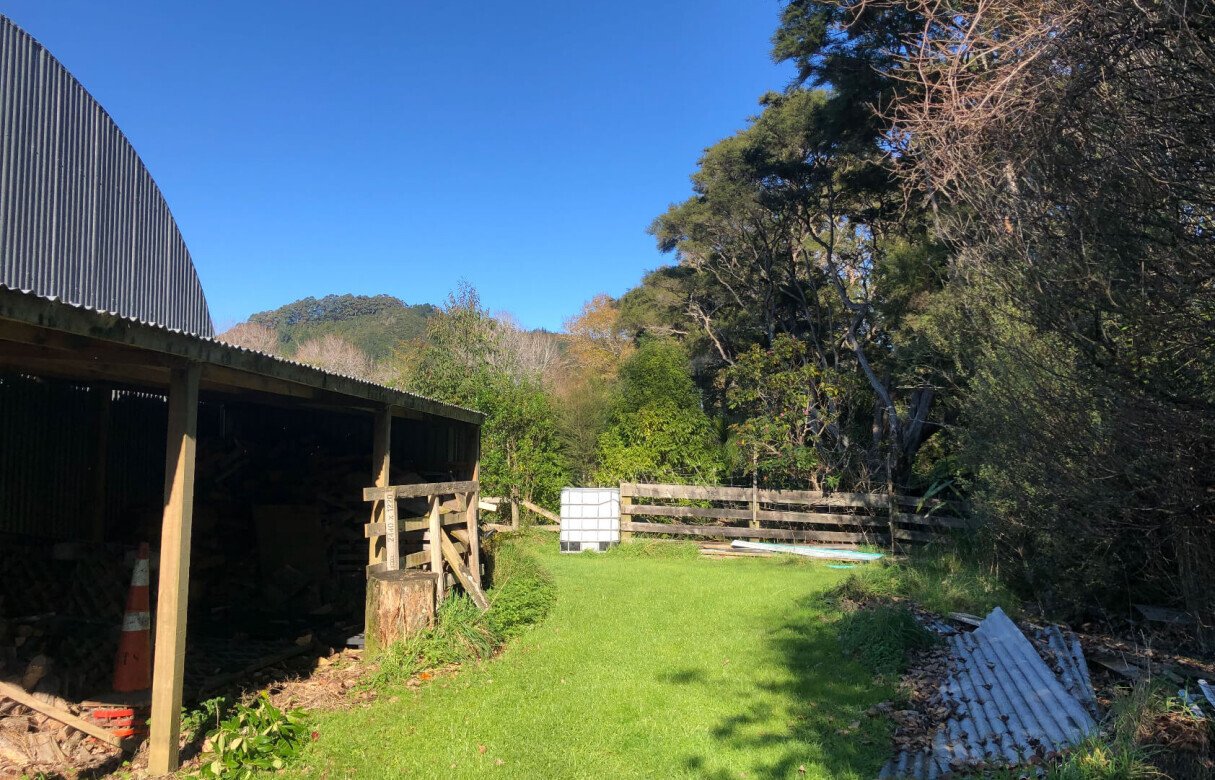
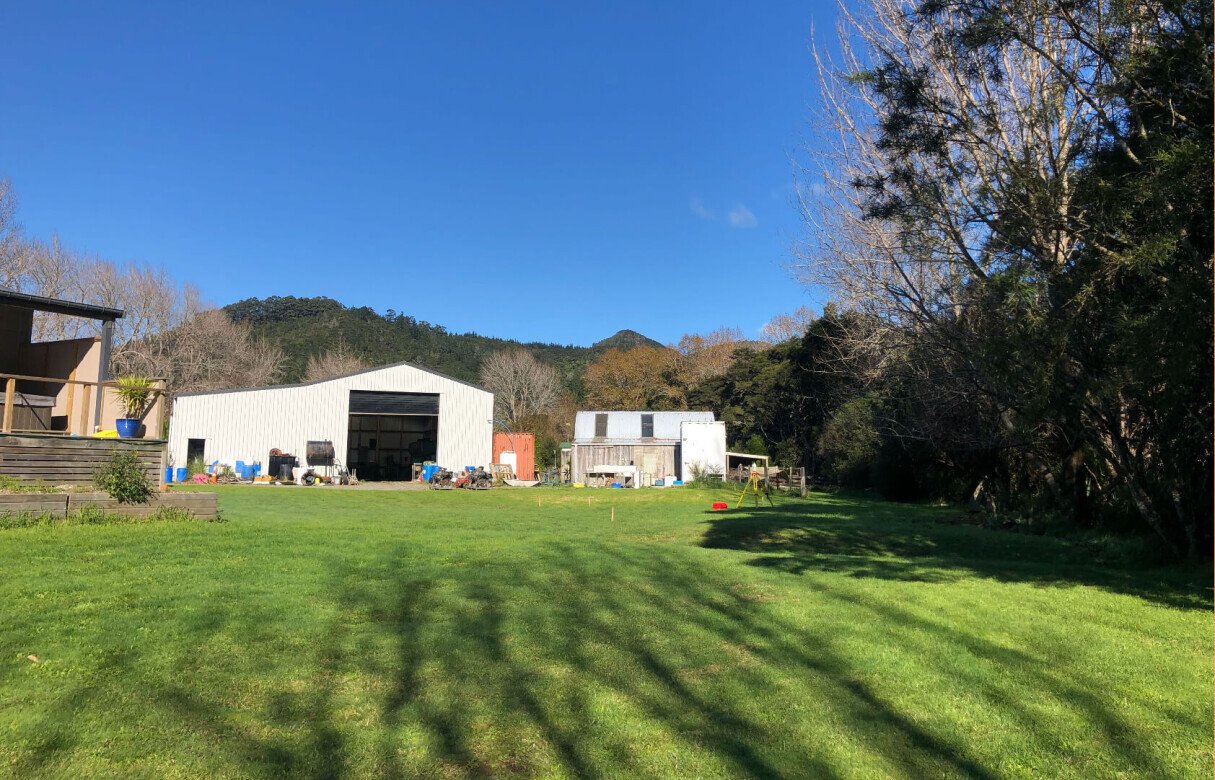
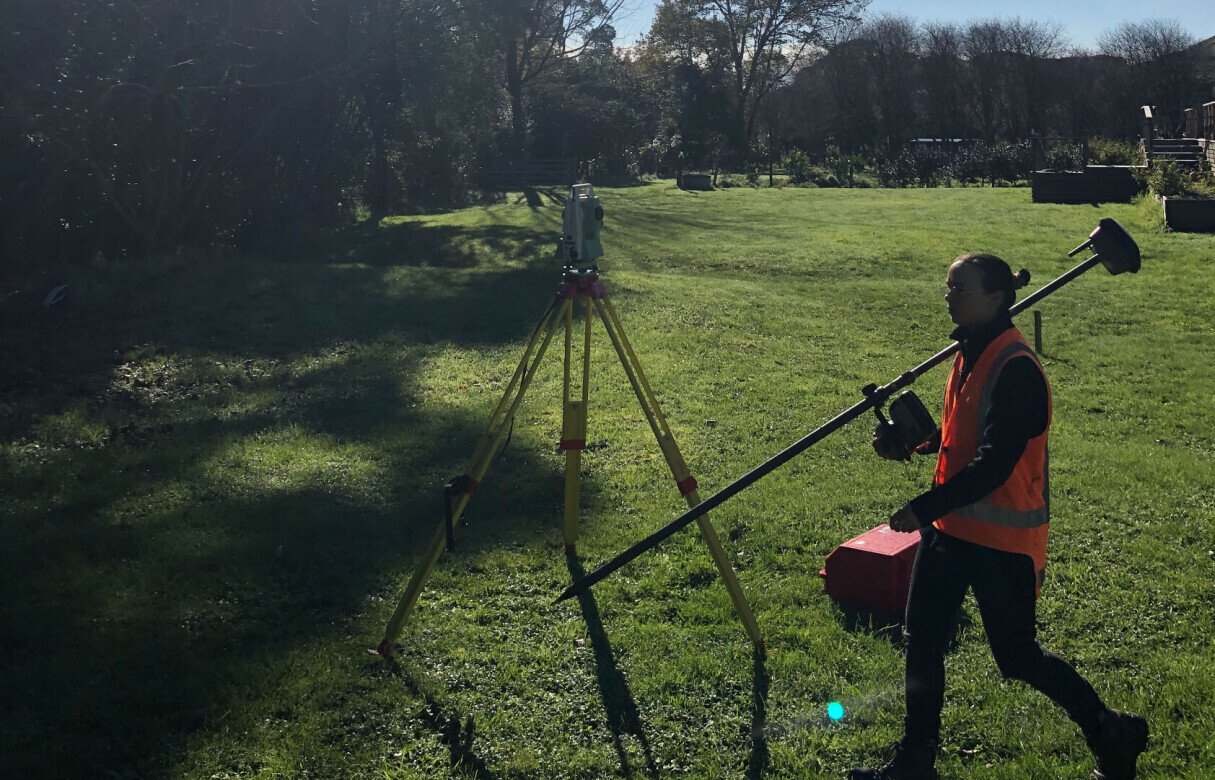
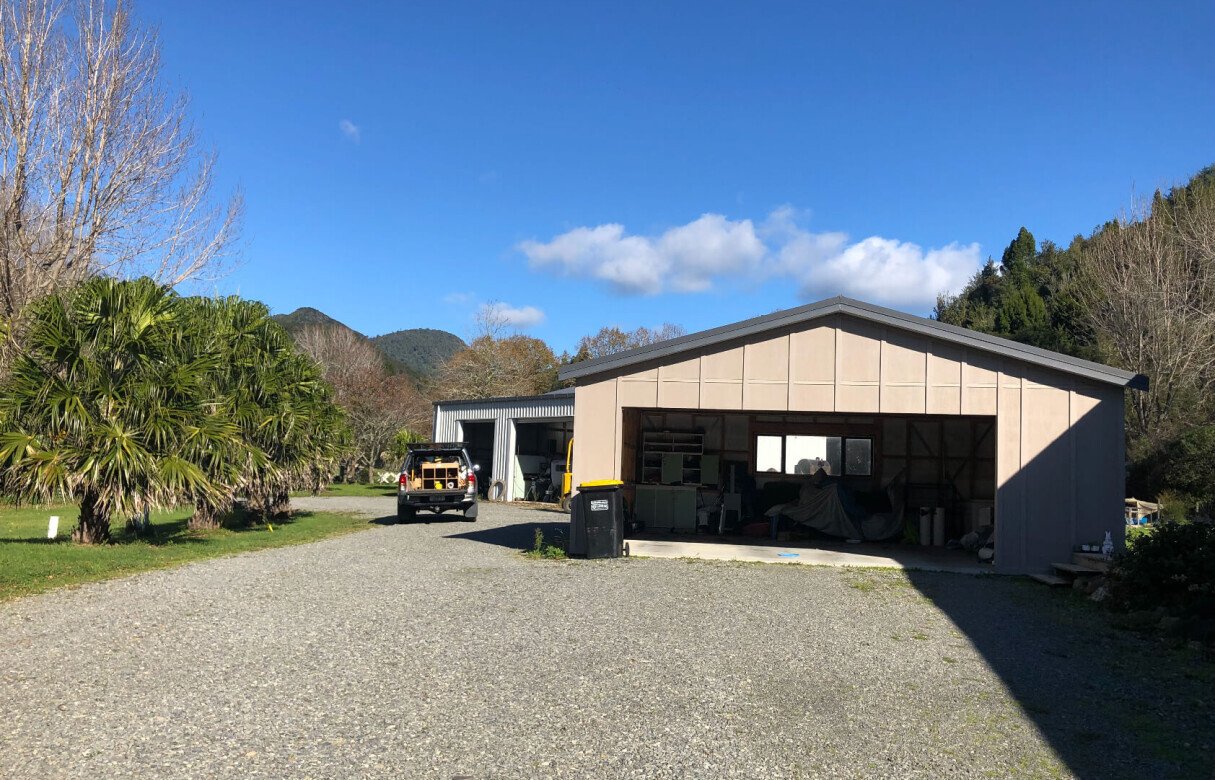
Approval from Council is sought for a Land Use Consent (LUC) for the intent to use existing and new buildings for an Industrial Activity within a Rural Zone. Specifically, to create a small-scale, self storage facility to be used by the public within designated operating hours. Three additional sheds will need to be constructed and covered by the LUC while storage bays will be constructed within an existing shed. This operation will be constructed in stages and aims to have 16 storage bays in total. A limited topographical survey around the existing dwellings, gardens and workshops was undertaken to determin areas that will be suitable as proposed locations for the public storage structures.
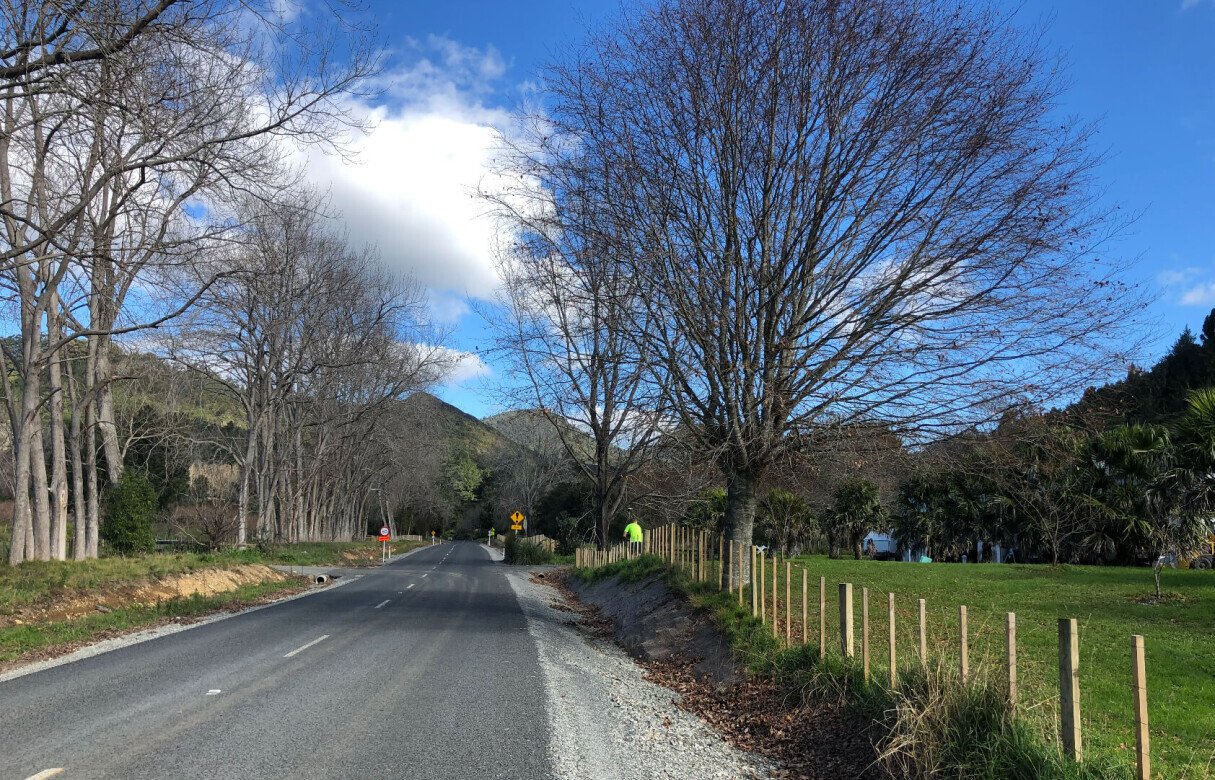
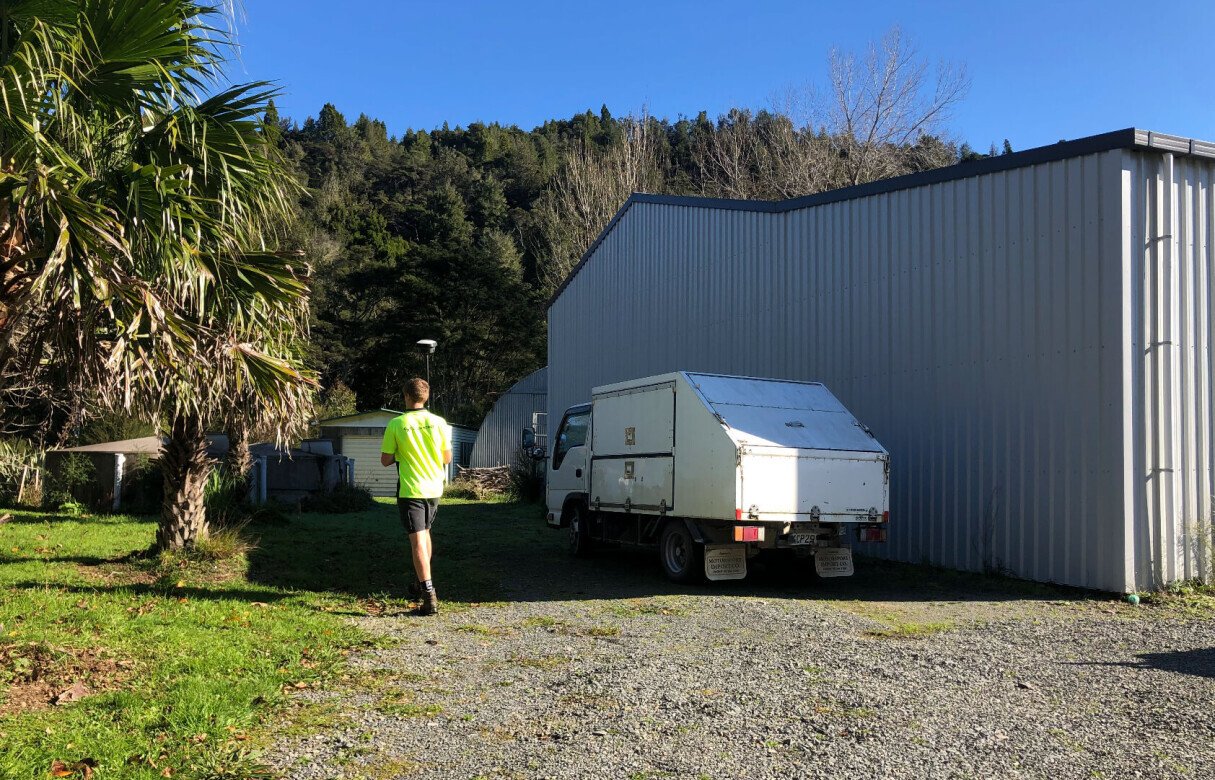
The operational needs are already met by the existing road formation and two vehicle crossings to the site, which will cater to a variety of vehicles and will provide a seamless flow through the site as vehicles can enter one crossing, access their storage and continue onward to exit out of the other crossing. Additionally, the proposal does not demand for water, stormwater or wastewater servicing. Stormwater run-off will be managed through on-site tanks. Further effects from the proposal are considered to be limited and can successfully pass the gateway test for Non-Comply activities under the RMA.
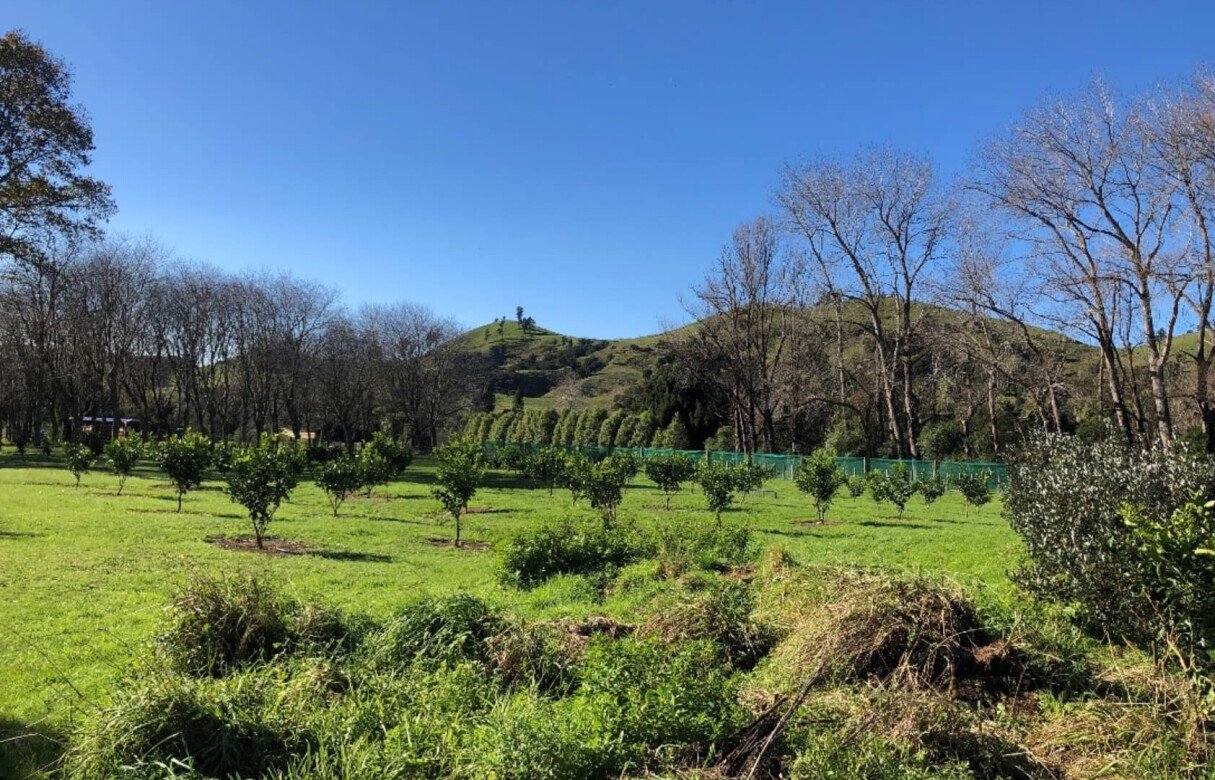
Surrounding neighbours have also been approached and are largely satisfied that the proposal will not adversely impact them. It is intended that fast growing plants will be established along the boundary closest to the stage 1 shed to visually buffer any neighbouring views. The application was assessed against all relevant district plan rules, objectives and policies and regarding Natural Hazards, was not anticipated to increase the potential for natural hazards to occur and risk to life is avoided by no habitable rooms being created. Furthermore, the development will positively contribute to the local economy and will only generate intermittent activity.
Frequently Asked Questions
What is a land use consent for a non-complying activity?
A land use consent for a non-complying activity is required when a proposed land use does not meet the relevant planning rules and must be assessed under the applicable resource management framework.
Can commercial storage facilities operate in a rural zone?
A commercial storage facility may be possible in a rural zone if the proposal obtains the necessary approvals and demonstrates that its effects, including traffic, visual impact, servicing, and surrounding land use, can be appropriately managed.
Why is a topographical survey useful when planning storage buildings?
A topographical survey identifies existing site features, levels, and suitable areas for proposed structures, helping designers determine where new buildings can be positioned appropriately.
How can existing vehicle access support a storage facility
Existing vehicle crossings and road access can provide a practical entry and exit arrangement for customers and other vehicles, potentially reducing the need for significant access upgrades.
How can landscaping reduce the visual effects of commercial development?
Strategic planting can create a visual buffer between new structures and neighbouring properties, helping soften views of buildings and integrate the development with its surroundings.
How are natural hazard risks considered in a land use consent?
Natural hazard considerations examine whether the proposed activity could increase hazards or risks to people and property. Site design and the absence of habitable rooms can help manage potential risks.
